
"How much for 200 hoodies?" is the most common email a clothing factory receives, and it is almost impossible to answer. What comes back is either a number high enough to kill the project or a number low enough to be a trap, because the factory has to guess at fabric, construction, decoration, sizes and delivery before it can price anything. A quote is not a price list; it is an answer to a specific set of questions.
A clothing factory needs six things to quote a style accurately: a tech pack or measurement spec, the fabric and colour, the size breakdown, the quantity per colourway, the decoration and finishing, and the delivery terms including destination and target date.1
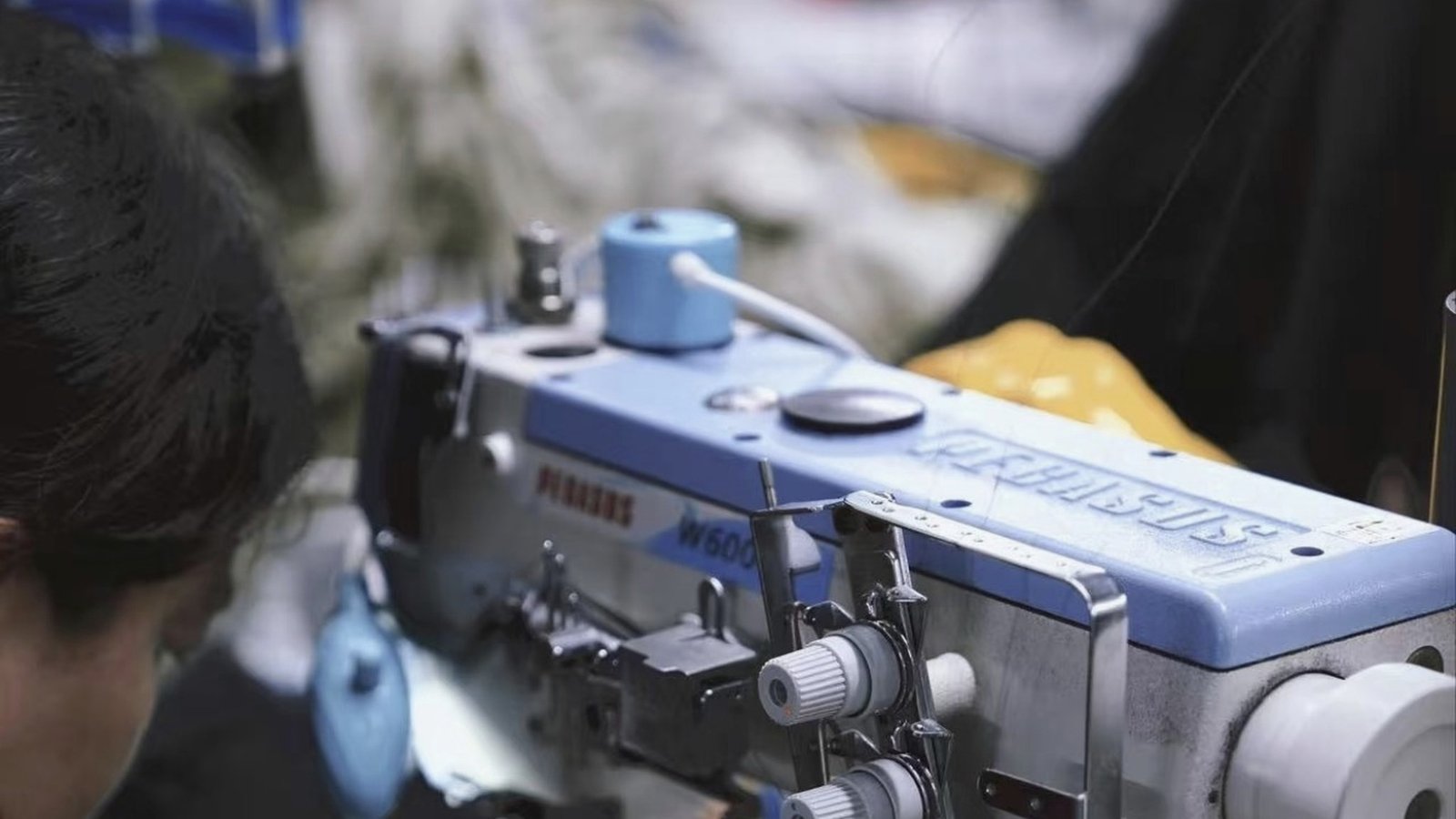
Everything a factory quotes is derived from those six inputs. Fabric consumption comes from the pattern and the size ratio. Labour comes from the construction. Price per piece comes from the order quantity and how it splits across colours. Freight and duty come from the destination. Leave one input out and the supplier fills the gap with an assumption — and assumptions are always priced conservatively, which is why vague requests get expensive quotes.
What information does a factory need to quote a garment?
The short version is: enough to build the garment on paper without asking you anything.
The minimum package is a tech pack with a technical drawing, a full measurement spec with tolerances, a bill of materials for fabric and trims, a size and colour breakdown, a quantity, and the decoration placement — the same information a pattern maker needs to draft and cost a style.2
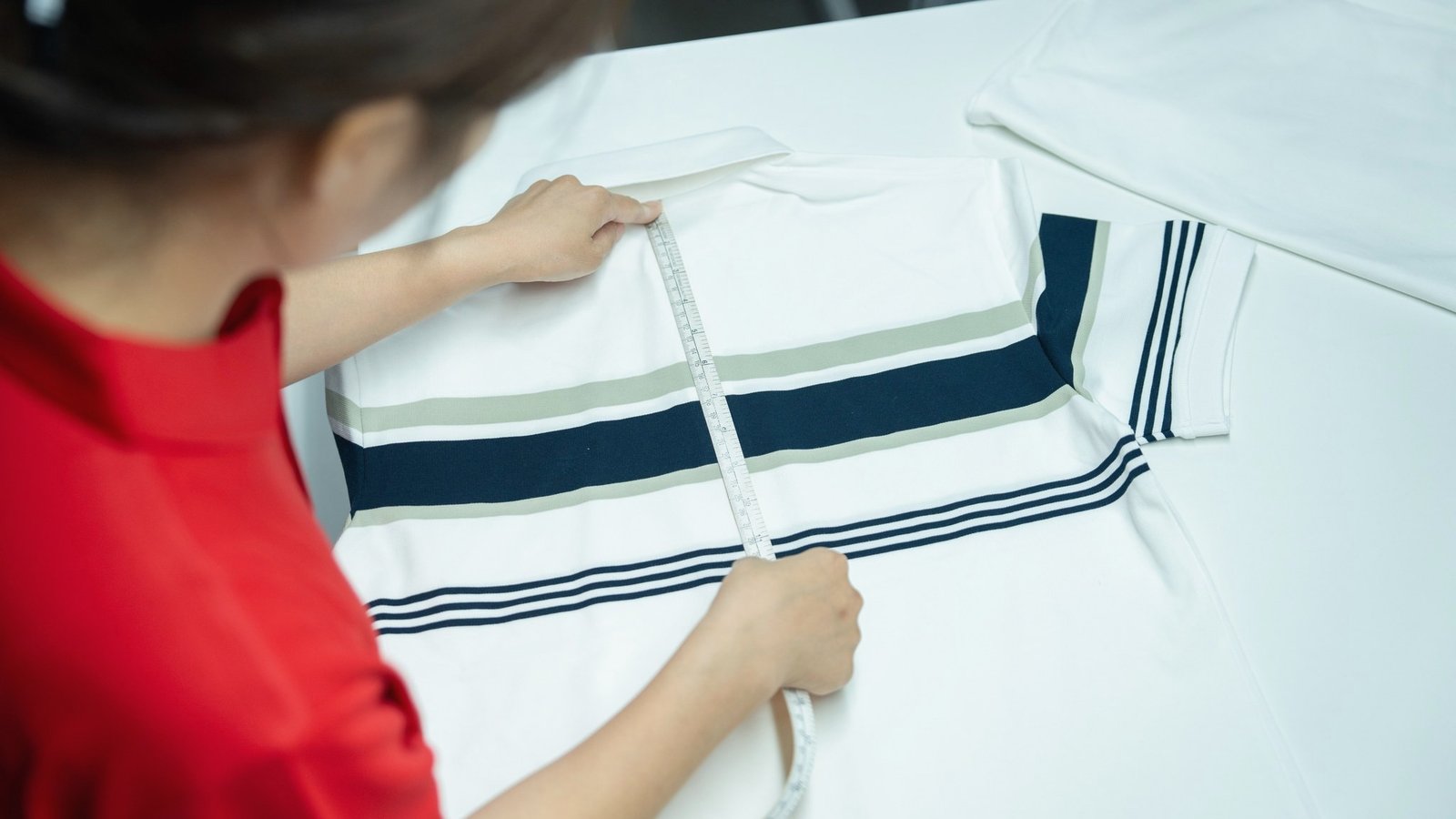
A pattern maker reads a style in a fixed order: silhouette, then seams, then the finishing details that consume time. Every one of those steps maps to a cost line. If your request only describes the look, the factory has to guess at the seam types, the lining, the interlining and the trims — and each guess is a place where the final invoice can drift away from the quote. Our own guide to sending a tech pack to a clothing manufacturer lists the pages that matter most; a quote request only needs the first three of them.
How detailed does your measurement spec need to be?
A rough size chart is worse than no size chart, because it looks authoritative.
A quotable spec lists every point of measure in centimetres with a tolerance, states which sizes are graded from which base size, and names the measurement method — because garment sizes are defined by body dimensions plus ease, not by a single chest number.3

Chest, shoulder, body length, sleeve length, neck opening, hem width and — on a hoodie — hood height and cuff rib depth. Note whether the garment is measured flat or around, and whether the tolerance is ±0.5 cm or ±1 cm. A tight tolerance on a washed garment forces the factory to cut oversize and shrink back, which raises cost. A loose tolerance lets it cut clean, which lowers it. Either is fine; an unstated tolerance is not, because the supplier will price the safest option.
Why does the size breakdown change the quote?
Two orders of the same 500 pieces can carry very different prices.
Fabric is the largest single cost in most cut-and-sew garments, and the size ratio decides how efficiently the marker can be laid out, so an order spread across six sizes and three colours consumes more fabric per garment than the same quantity in fewer combinations.4

This is why quotes are usually tiered — 100, 300, 500, 1,000 pieces — and why a quote at 500 pieces does not scale down linearly to 100. Setup costs (pattern grading, marker making, screen or embroidery file setup, line changeover) are fixed and get divided across the run. Colour and size splits add cutting and bundling labour on top. If you already know your ratio, say so; if you do not, ask for the price at two quantities and let the numbers tell you where your MOQ should sit.
How does fabric choice affect the price per piece?
Fabric is quoted in weight and composition, not in adjectives.
Specify fibre content, construction and weight in GSM or oz/yd², because those three values determine yarn cost, knitting or weaving time and the fabric price per kilogram — and the factory converts them into a consumption figure in metres per garment.5
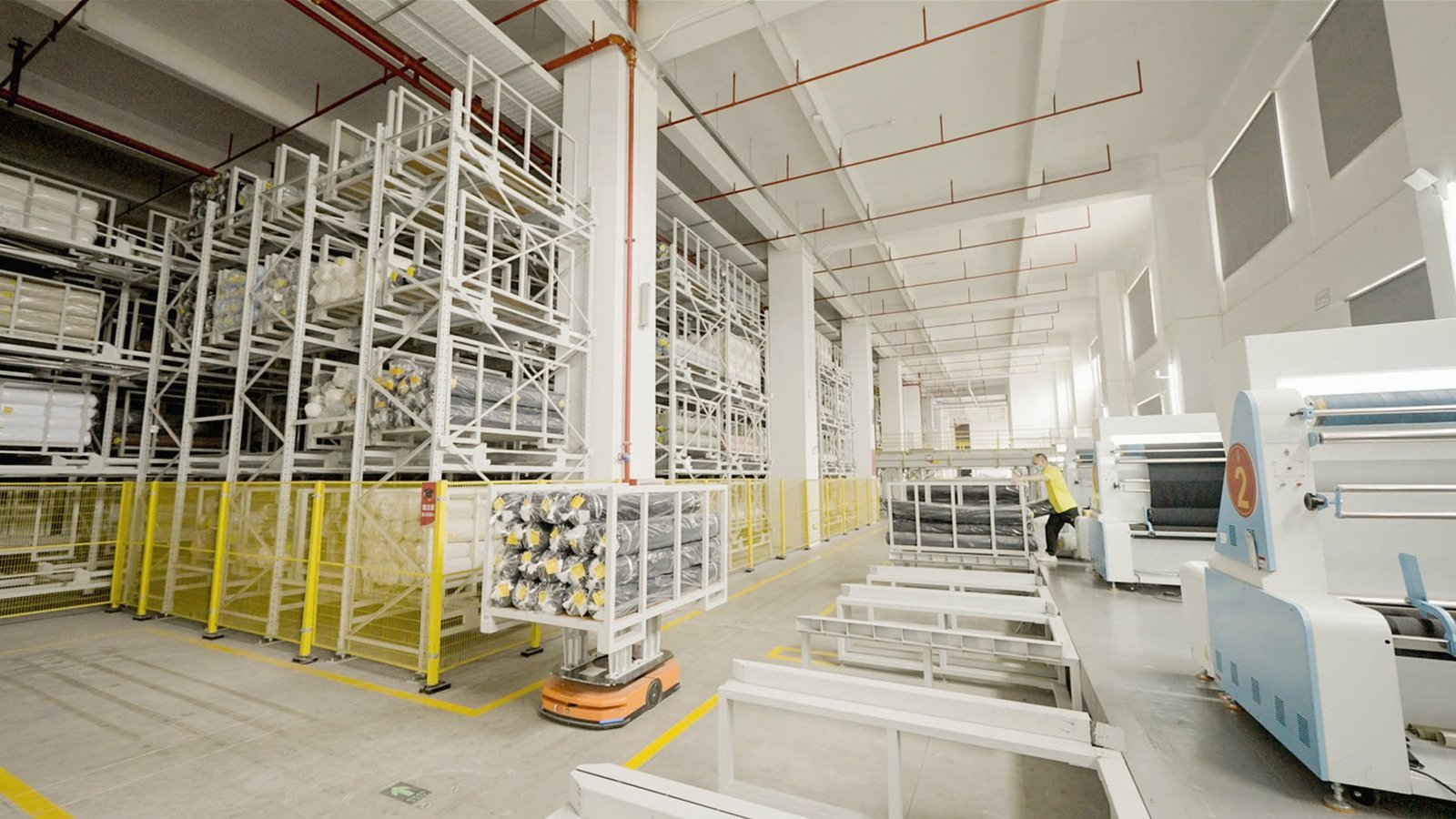
"Heavyweight cotton" could be 240 GSM or 400 GSM, and the difference is real money at scale. Include the Pantone or TCX reference for each colour, and note whether the fabric is dyed in the piece or garment dyed, since garment dyeing adds a wash step and a higher rejection rate. Also ask about the mill's own minimum: a fabric that only comes in 500 kg rolls will push your order size up whatever your garment MOQ is.
What commercial terms belong in a quote request?
The last block is not about the product at all, but it changes the number on the page.
A complete request states the Incoterm and destination port, the required ex-factory or delivery date, the payment terms, the labelling and packaging requirements, and whether sampling costs are separate — the same fields a purchase order will later have to carry.6
FOB Shenzhen and DDP Los Angeles are not the same quote, and a date two weeks out is not the same quote as a date ten weeks out. Say whether you need hang tags, poly bags, carton markings and a carton count per size, because packing is a labour line of its own. Separating sample cost from bulk cost also keeps the conversation honest: a sampling fee that is credited against the bulk order is normal, and it is easier to agree before the number is final. If you want the whole picture on where the money goes, our breakdown of what it costs to manufacture a streetwear collection follows the same cost lines.
Conclusion
A quote is only as good as the brief behind it. Send the tech pack, the measurement spec with tolerances, the size and colour breakdown, the fabric in GSM and composition, the decoration, and the commercial terms — six blocks, one page each is enough — and a factory can price your style in days instead of trading guesses for weeks. Anything you leave out gets filled with the most expensive safe assumption. If you would rather work from a template, send us your style and target quantity through our custom clothing manufacturing team and we will reply with the exact information sheet we need, plus an indicative price range on what you have.
"Request for quotation", https://en.wikipedia.org/wiki/Request_for_quotation. Describes the request-for-quotation process in which a buyer invites suppliers to bid on a defined scope, and notes that the clarity of the specification determines how comparable the responses are. Evidence role: general_support; source type: encyclopedia. Supports: the framing of a quote as an answer to a defined specification rather than a catalogue price, and the list of inputs a supplier needs before pricing. Scope note: general procurement context; the specific garment inputs (tech pack, GSM, size ratio) come from apparel production practice, not from this source. ↩
"Pattern (sewing)", https://en.wikipedia.org/wiki/Pattern_(sewing). Explains how sewing patterns are drafted from body measurements and design intent, and how pattern pieces, seam allowances and grading turn a design into cuttable shapes. Evidence role: general_support; source type: encyclopedia. Supports: the claim that a factory prices a style from a pattern and spec, and that missing construction detail forces the pattern maker to assume. Scope note: pattern-making overview; it does not cover costing formulas, marker efficiency or factory quoting conventions. ↩
"Clothing sizes", https://en.wikipedia.org/wiki/Clothing_sizes. Explains that clothing sizes are labels derived from body measurements with varying standards between regions and brands, and covers how size systems and grading differ. Evidence role: general_support; source type: encyclopedia. Supports: the point that a spec must define each point of measure and grading base rather than a single nominal size. Scope note: standards and labelling focus; it gives no tolerances, measurement methods or factory acceptance criteria, which must be agreed per style. ↩
"Textile manufacturing", https://en.wikipedia.org/wiki/Textile_manufacturing. Covers the conversion of fibre into yarn, fabric and finished textile goods, including the processing steps that drive material cost. Evidence role: general_support; source type: encyclopedia. Supports: the explanation of why fabric dominates garment cost and why fibre, construction and processing choices move the price per piece. Scope note: production-process overview; it does not discuss marker making, fabric consumption per garment or cutting-room yield. ↩
"Units of textile measurement", https://en.wikipedia.org/wiki/Units_of_textile_measurement. Defines the units used to describe textile materials, including yarn count systems and fabric weight expressed as grams per square metre and ounces per square yard. Evidence role: general_support; source type: encyclopedia. Supports: the argument that weight in GSM and fibre composition are the specification values a factory prices from, rather than descriptive terms such as "heavyweight". Scope note: unit-reference page; conversion conventions and the GSM ranges used for specific garment types vary by supplier and are not set here. ↩
"Purchase order", https://en.wikipedia.org/wiki/Purchase_order. Describes the commercial document a buyer issues to a supplier, including quantity, price, delivery terms and payment conditions. Evidence role: general_support; source type: encyclopedia. Supports: the list of commercial fields — terms of delivery, dates, payment and packing — that should be settled in the quotation so they do not reopen the price later. Scope note: general commercial-document overview; Incoterm definitions, duty rates and freight costs for specific lanes must be confirmed with a forwarder. ↩
Ready to make this for your brand?
Adiwe manufactures custom T-shirts, hoodies, jackets, pants, shorts and shirts for brands worldwide — from 100 pcs per style and colour, with private labelling, three-stage QC and a physical sample you approve before bulk.
Custom Hoodie ManufacturingCustom T-Shirt Manufacturing