Most streetwear brands lose money on print before they ever sell a garment: the method is chosen from a mood board instead of from the order size, the fabric and the artwork. The result is a thick, cracked print on a premium tee, or a washed-out gradient that should never have gone near a squeegee.
Screen printing is the best all-round method for streetwear, DTG is best for small runs and photo-real artwork, dye sublimation is best for all-over prints on polyester, heat transfer suits names and numbers, and embroidery is best for logos on heavyweight fleece.1
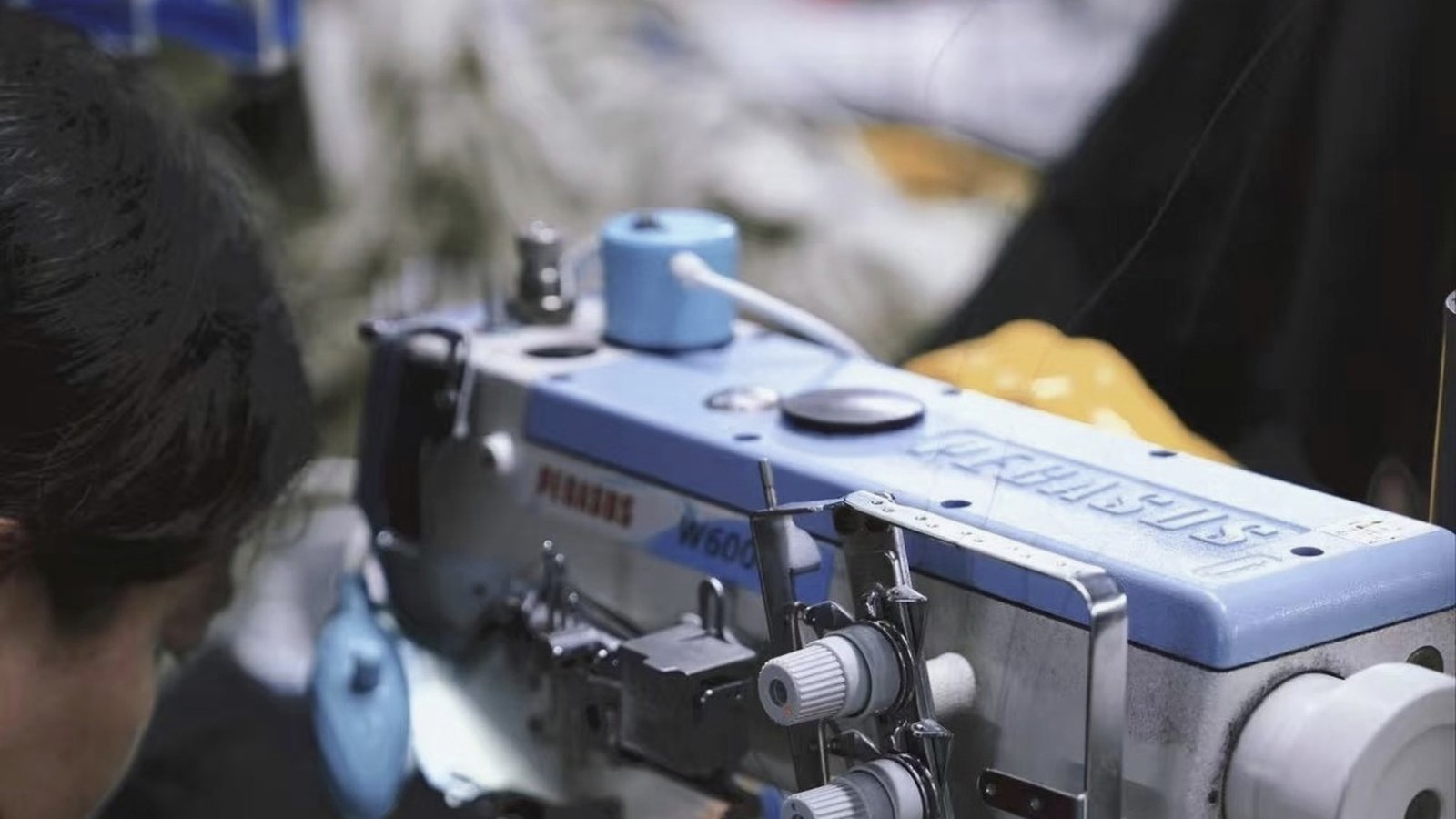
The right answer is rarely a single method. A typical drop uses screen print on the hero tee, embroidery on the hoodie, and a woven label or heat transfer for the small details. Below is how each method behaves in real production, and the order volumes where it stops making sense. If you are still choosing a production partner, the custom clothing manufacturing overview explains how print decisions fit into sampling.
What are the main printing methods used for streetwear?
Almost every streetwear graphic you can buy is produced by one of five processes.
The five production methods are screen printing, direct-to-garment (DTG), dye sublimation, heat transfer vinyl (HTV), and embroidery.2 Screen printing pushes ink through a mesh stencil, DTG jets ink directly onto the garment, sublimation turns dye into gas so it bonds with polyester, HTV cuts and presses a film, and embroidery stitches thread through the fabric.
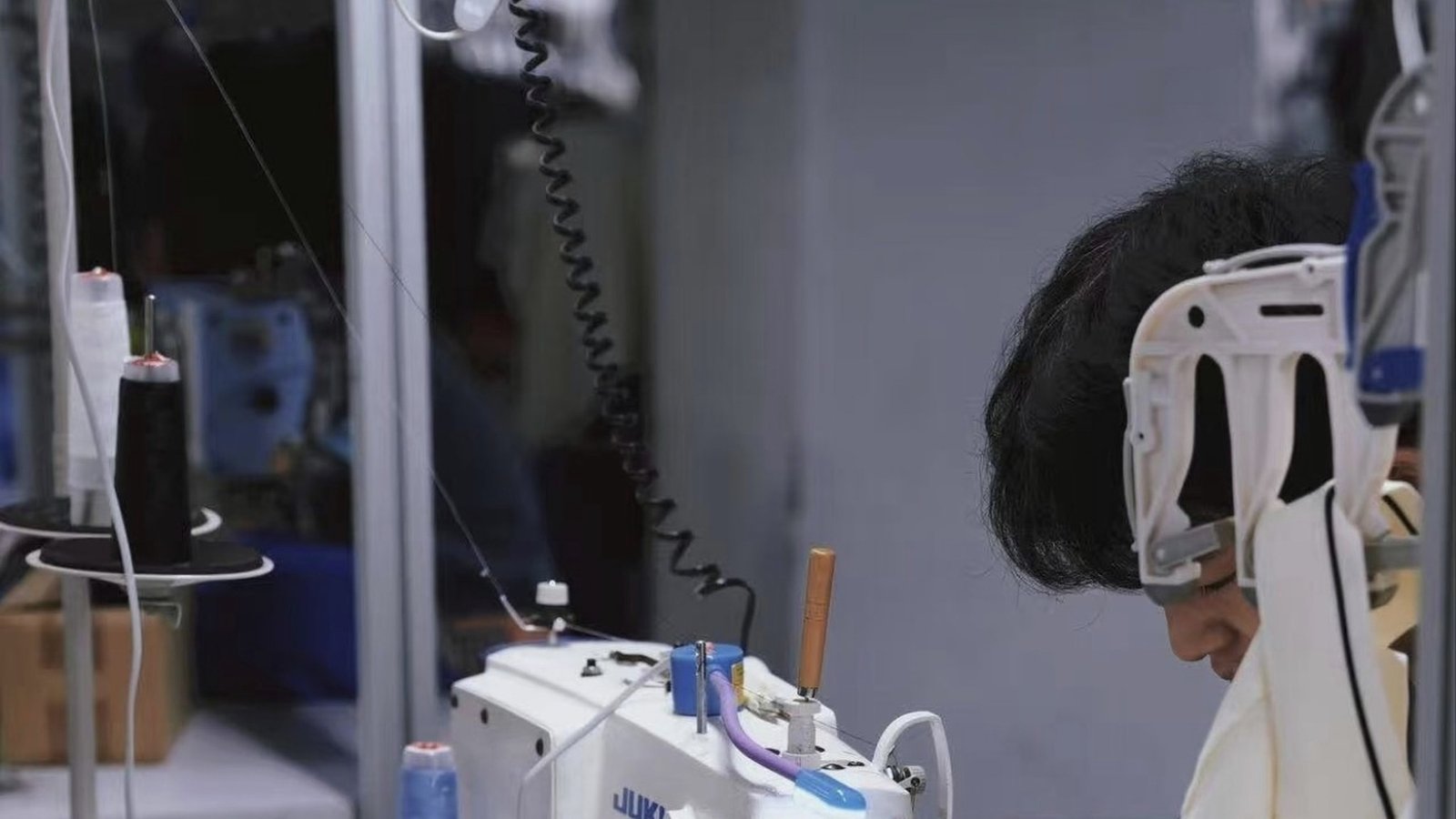
Each process sits at a different point in the production calendar. Screen printing and DTG are usually applied to cut panels or finished garments late in the run; sublimation is normally done on fabric or on a cut-and-sew panel before assembly; embroidery is almost always the last decoration step, after sewing and before quality control. Knowing where a method sits in that sequence matters, because it determines how much rework a mistake costs. A misprinted panel can be replaced; an embroidered hoodie that fails inspection at the end of the line is a finished garment written off.
When is screen printing the best choice for streetwear?
Screen printing still defines the streetwear look, and for good reason.
Screen printing is the best choice when you need 50 or more pieces of the same design, bold solid colors, and a print that survives heavy washing.3 Each color needs its own screen and its own pass through the dryer, so cost per unit falls sharply as quantity rises, and thick plastisol ink sits on top of the fabric with an opaque, matte finish that holds up on dark garments.
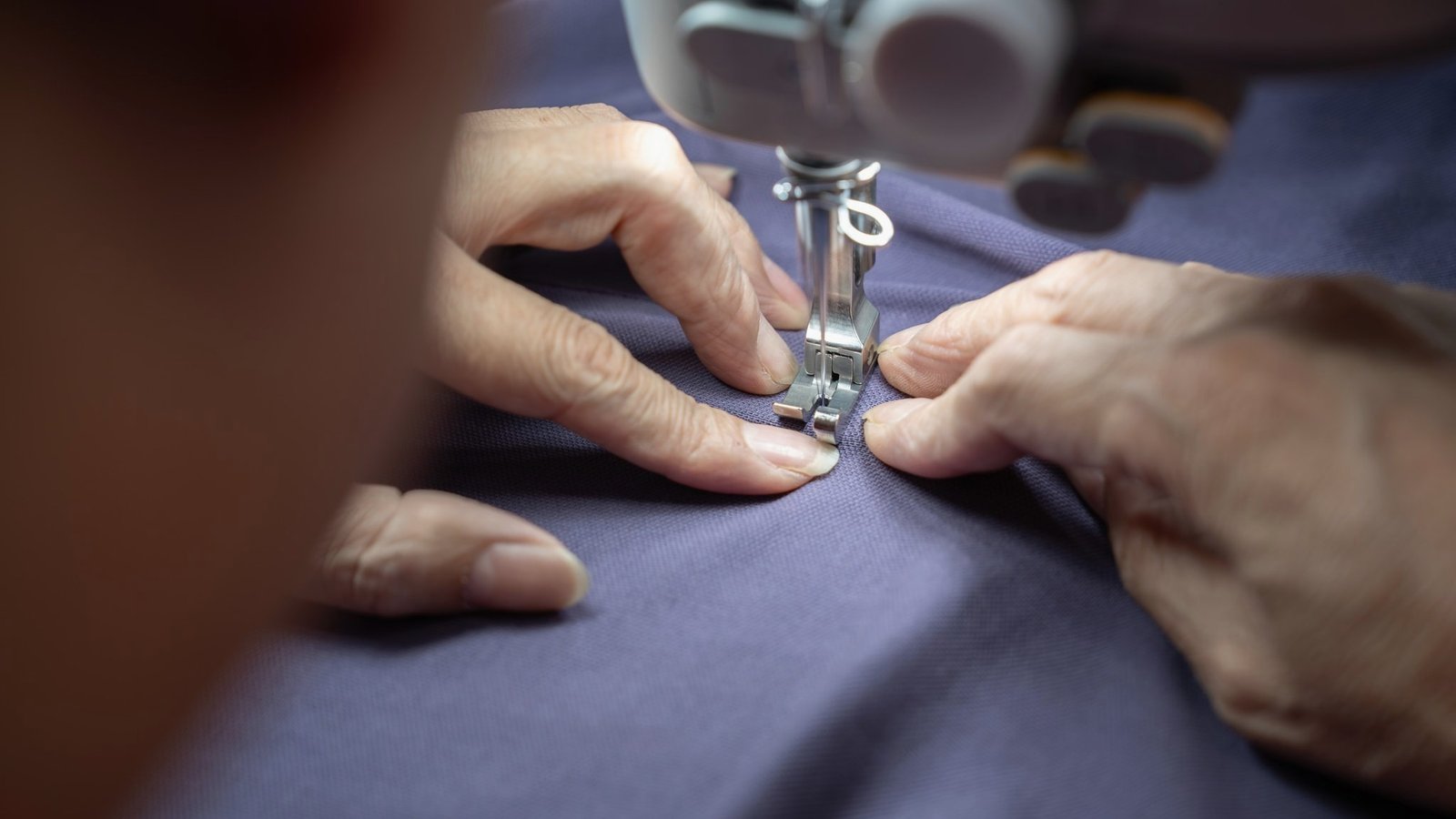
The trade-offs are real. Setup cost dominates small orders, gradients and fine photographic detail are hard to hold, and every additional color adds a screen, a pass and a chance for registration drift. On loose-knit or heavily textured fabrics, a thick ink layer can also feel rubbery, which is why premium brands often specify a thinner ink deposit, a soft-hand additive or a discharge print that dyes the fiber instead of coating it. Ask your factory what ink system they use before you approve a sample: the same artwork can look and feel completely different depending on ink, mesh count and cure temperature.
When does DTG printing make more sense?
DTG exists to solve the problem screen printing cannot: small quantities and complex artwork.
DTG is the better choice for runs under roughly 50 pieces, multi-color or photographic designs, and on-demand restocks, because it needs no screens and no setup per color.4 A digital file goes straight to the printer, so a 12-piece test drop costs about the same per unit as a 40-piece one, and you can print one design today and a different one tomorrow.
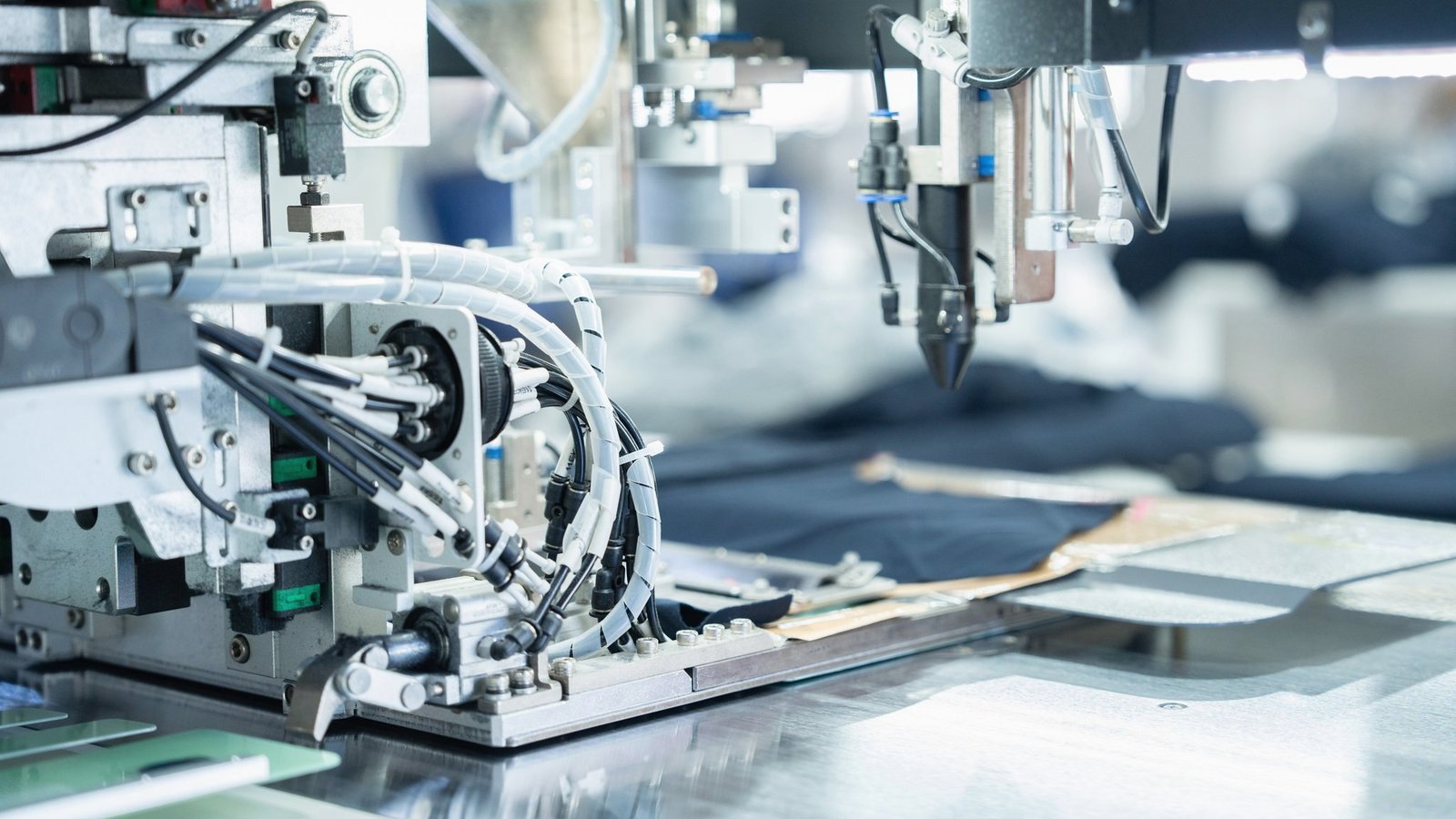
The limits show up on dark and synthetic fabrics. DTG ink is water-based and translucent, so black shirts need a white underbase, which adds hand feel and time; on 100% polyester the ink can bond poorly and fade. Print vibrancy also drops on very coarse or heavily brushed surfaces. For a brand testing designs, DTG is the cheapest way to learn what sells. For a brand scaling a proven design past a few hundred units, screen printing almost always wins on unit cost, and the crossover point is worth calculating rather than guessing.
Which methods work best for all-over prints and synthetic fabrics?
All-over graphics and performance fabrics rule out most standard inks.
Dye sublimation is the best method for full-bleed, edge-to-edge prints on polyester, and heat transfer vinyl is the best method for names, numbers and small single-color marks.5 Sublimation converts solid dye into gas at around 200 °C so it penetrates the fiber, leaving no hand feel at all, while HTV cuts a film that is pressed on in seconds with no ink, no drying and no cleanup.
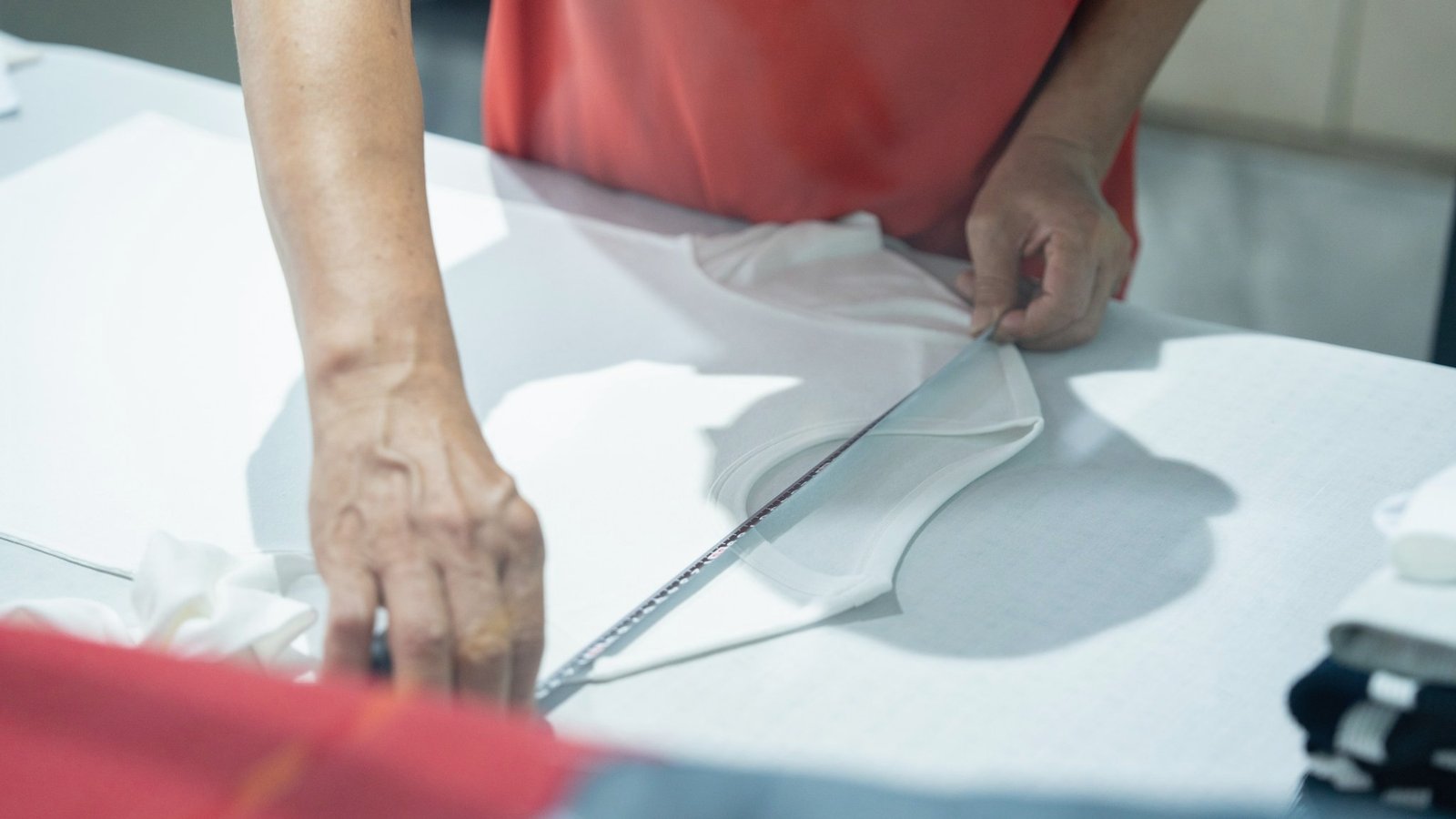
The catch with sublimation is fiber content: it only bonds to polyester and needs a light base color, so it is wrong for cotton-heavy streetwear and useless on dark garments unless the whole panel is sublimated. HTV is cheap and fast but sits on the surface as a film, which can peel at the edges and feels stiff on large areas, so it is best kept to small marks. Both methods are often used as finishing touches on garments that are otherwise screen printed or embroidered, rather than as the main decoration.
How does embroidery compare with print for logos and heavy graphics?
Embroidery is the method buyers associate with premium, and it behaves very differently from ink.
Embroidery is better than print for logos on caps, hoodies and heavyweight fleece, because it adds physical depth and does not crack, fade or wash out.6 Stitched thread reflects light and reads as a considered, expensive detail, which is why it dominates the chest and sleeve placements on premium streetwear.
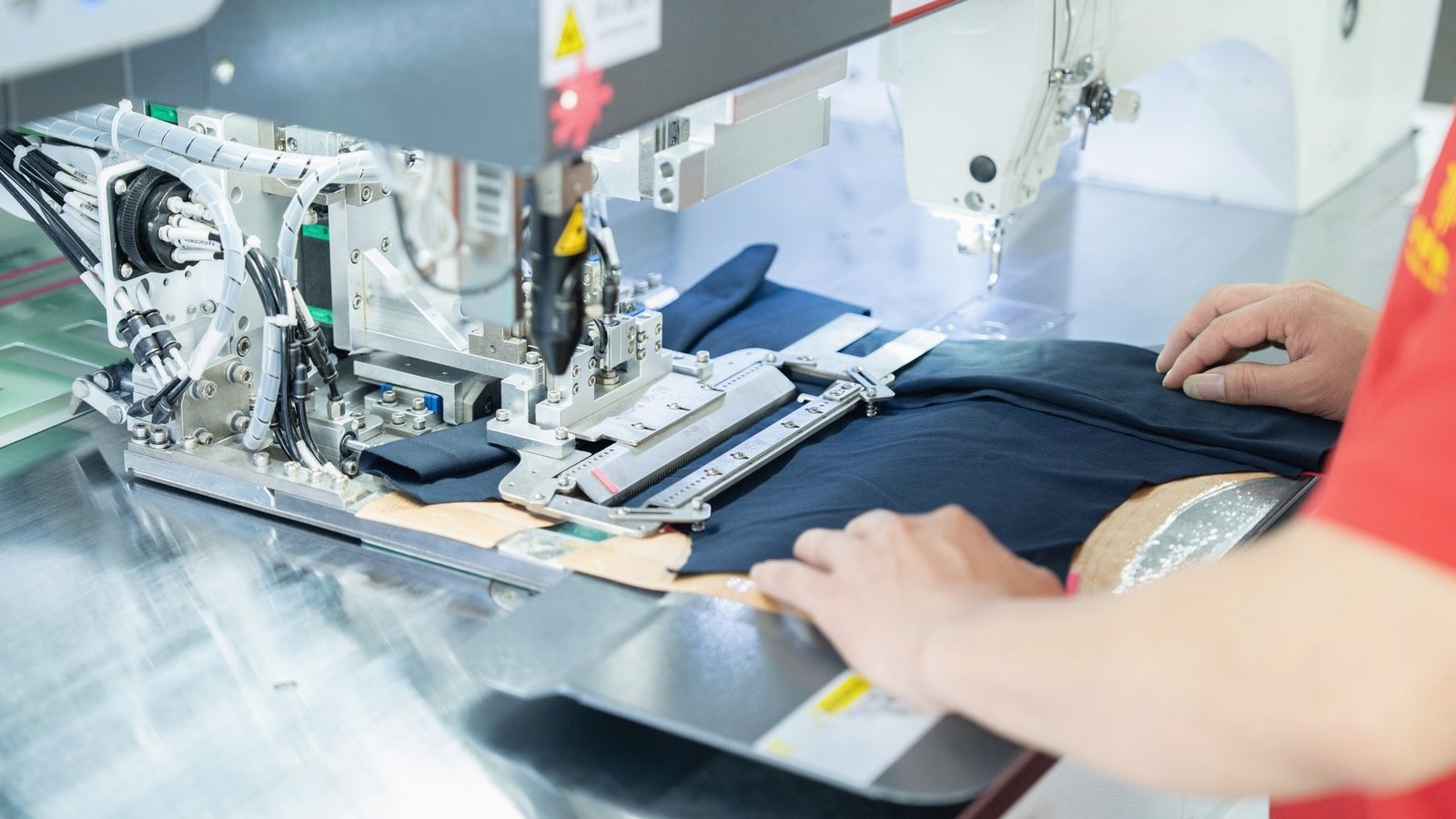
The constraints are design and cost. Fine detail, thin lines and small text are difficult to stitch and need digitizing, which is a one-off cost per design; large solid fills become dense, stiff patches that can pucker lightweight fabric; and stitch count drives both price and production time. Embroidery is also unforgiving of errors, since removing stitches can leave visible needle holes. The practical rule is to keep embroidered artwork simple and geometric, place it where the fabric can support the weight, and reserve print for anything with gradients or more than a handful of colors.
Conclusion
There is no single best printing method, only the best method for a given order size, fabric and artwork. Screen printing wins on volume and durability, DTG wins on small runs and complexity, sublimation owns all-over polyester, heat transfer covers small marks, and embroidery carries the premium logo work. Decide the method before you approve the sample, not after the production run, because that is the point where changing your mind is still cheap. If you want a print recommendation for a specific design and quantity, send us the artwork and we will tell you which process we would run it on, and why.
"Textile printing", https://en.wikipedia.org/wiki/Textile_printing. Overview of the industrial methods used to apply color to fabric, including screen, digital, transfer and resist processes, with their typical applications and limitations. Evidence role: general_support; source type: encyclopedia. Supports: the framing that streetwear decoration is done through a small set of distinct industrial processes. Scope note: encyclopedic overview, not a costing or sourcing guide; prices and MOQs vary by factory. ↩
"Textile printing", https://en.wikipedia.org/wiki/Textile_printing. Describes screen printing, digital inkjet printing, transfer printing and related techniques, including how each applies color to the substrate. Evidence role: general_support; source type: encyclopedia. Supports: the list of five production methods and the mechanical description of each. Scope note: does not cover brand-level decision criteria such as order size or retail positioning. ↩
"Screen printing", https://en.wikipedia.org/wiki/Screen_printing. Explains the mesh-stencil process, the need for a separate screen per color, and the ink systems and drying steps involved. Evidence role: general_support; source type: encyclopedia. Supports: why screen printing has per-color setup cost and why it becomes economical at higher quantities. Scope note: covers the process broadly across substrates, not garment-specific pricing or soft-hand ink options. ↩
"Direct-to-garment printing", https://en.wikipedia.org/wiki/Direct-to-garment_printing. Describes inkjet printing of garments without screens, including the white underbase used on dark fabrics and the limitations on synthetic fibers. Evidence role: general_support; source type: encyclopedia. Supports: DTG's suitability for short runs and complex artwork, and its constraints on dark and polyester garments. Scope note: technical description; the 50-piece crossover is an industry rule of thumb, not a figure stated in the source. ↩
"Dye-sublimation printing", https://en.wikipedia.org/wiki/Dye-sublimation_printing. Explains the heat-transfer of disperse dyes into polymer-based substrates at high temperature, producing prints without a surface layer. Evidence role: general_support; source type: encyclopedia. Supports: why sublimation requires polyester and achieves all-over prints with no hand feel. Scope note: the article covers sublimation across many substrates; garment-specific behavior on cotton and dark shades is inferred from fiber chemistry. ↩
"Embroidery", https://en.wikipedia.org/wiki/Embroidery. Covers the craft and industrial history of decorating fabric with needle and thread, including machine embroidery and the digitizing step required to convert artwork into stitch paths. Evidence role: general_support; source type: encyclopedia. Supports: embroidery as a durable, three-dimensional decoration method distinct from printing. Scope note: broad historical coverage; digitizing costs and stitch-count pricing are commercial practices not detailed in the source. ↩
Ready to make this for your brand?
Adiwe manufactures custom T-shirts, hoodies, jackets, pants, shorts and shirts for brands worldwide — from 100 pcs per style and colour, with private labelling, three-stage QC and a physical sample you approve before bulk.
Custom Hoodie ManufacturingCustom T-Shirt Manufacturing