MOQ is the first number most new streetwear brands ask about — and the one that most often stalls a launch. Before you can price a drop, book a factory or plan cash flow, you need to know the smallest order a manufacturer will actually run for your style.
The MOQ (minimum order quantity) for custom streetwear manufacturing is typically 50 to 100 pieces per style per colour for cut-and-sew production; low-MOQ specialists run as low as 30-50 pieces, while complex garments or custom fabrics can require 300 or more.1
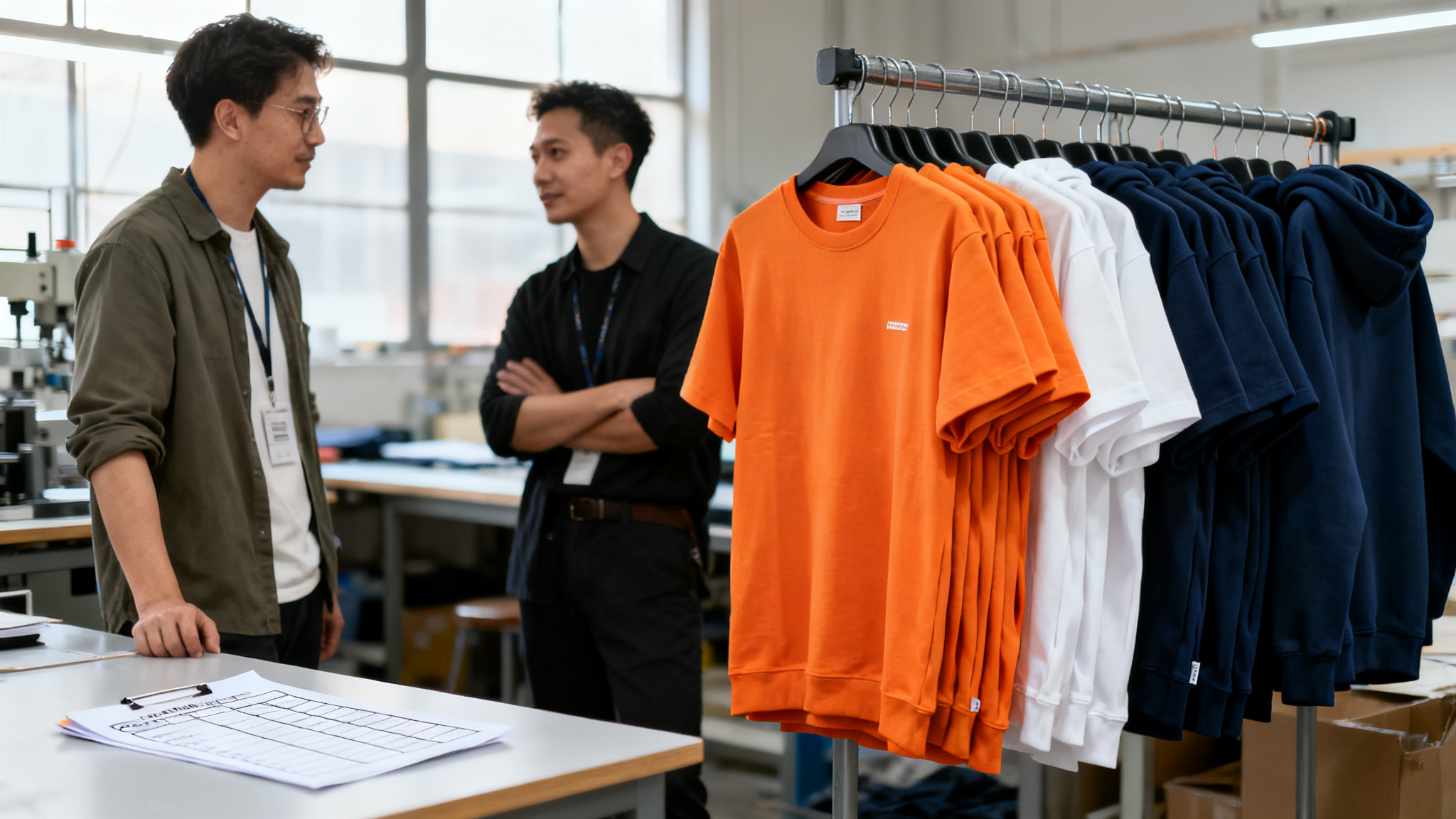
MOQ is not a single industry number — it is the output of fabric minimums, dyeing and printing setup, and factory scheduling. The five questions below explain what MOQ means, why it exists, what is typical for tees and hoodies, how low-MOQ production works, and how to negotiate a smaller run.
What does MOQ mean in custom clothing manufacturing?
The term is used loosely, so pin down exactly what a factory means by it.
MOQ is the smallest quantity a manufacturer will produce in a single production run for a given style, colour and fabric, because the fixed setup for cutting, dyeing, printing and sewing has to be spread across the whole batch.2
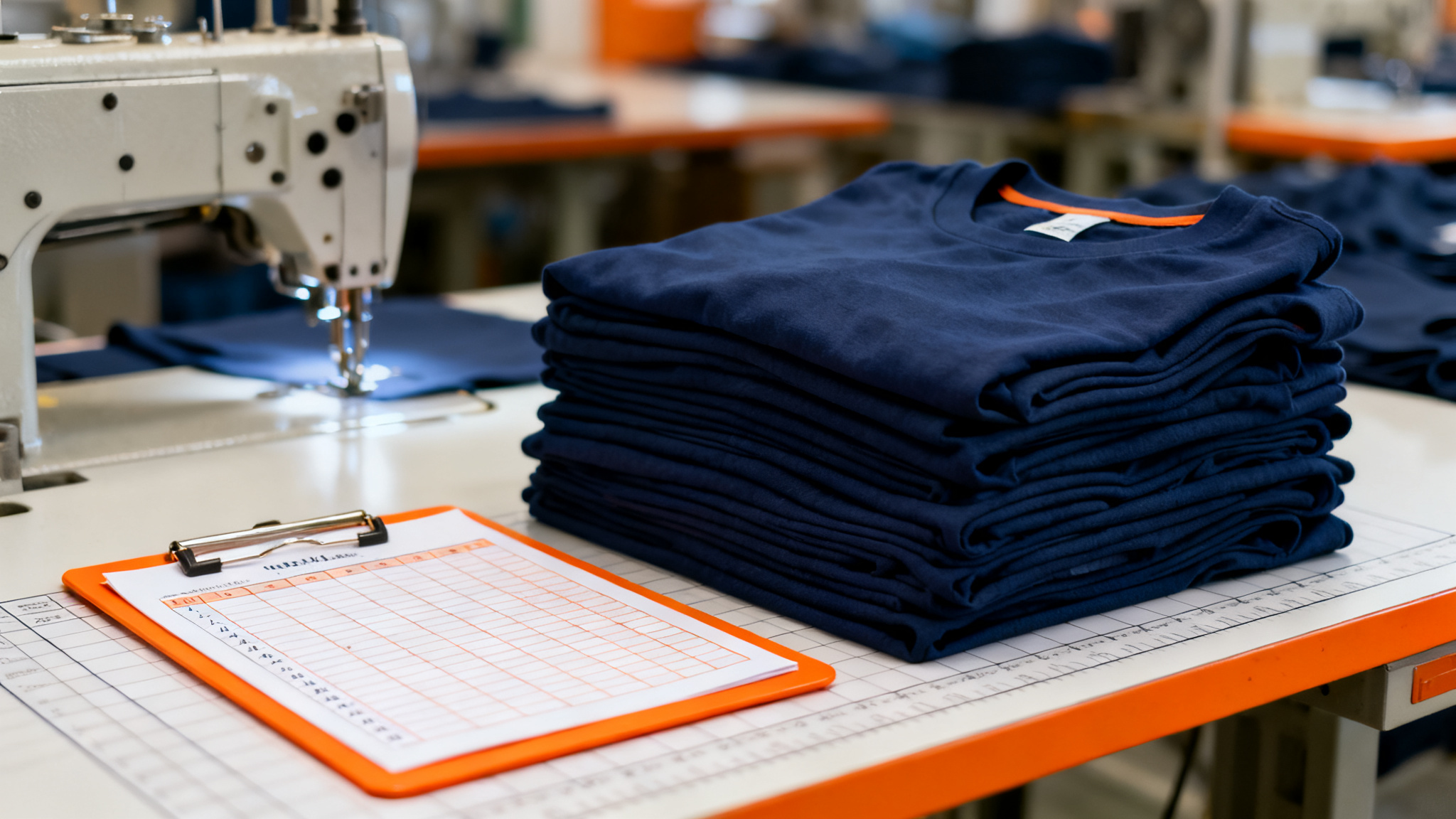
Ask whether the minimum applies per style, per colour, per fabric or per total order — the answer changes your budget dramatically. A factory may quote 50 pieces per colour but 300 pieces per order, or run one minimum for stock fabric and a much higher one for a custom dye lot. Confirm the definition in writing before you commit, and remember that a "per colour" minimum on a four-colour drop can quietly quadruple your first order.
Why do clothing manufacturers set a minimum order quantity?
MOQ is not arbitrary — it protects the economics on both sides.
Factories set MOQs to cover fixed costs — fabric minimums from mills, dyeing vats, screen or embroidery setup and machine time — so that economies of scale keep the cost per piece low; below the minimum, those fixed costs are spread over too few units.3
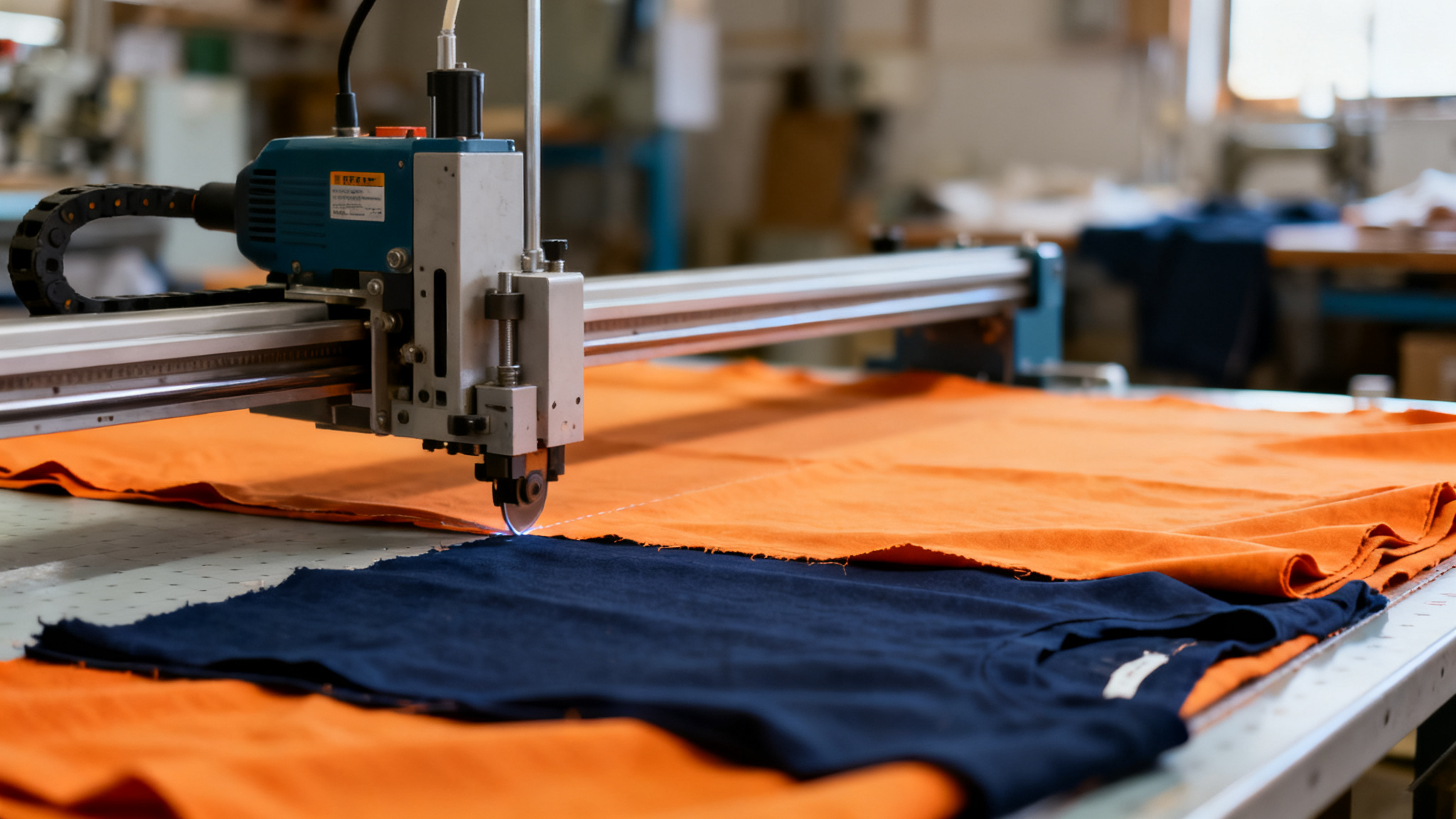
Textile mills, for example, often sell fabric by the roll, and a dye house fills a vat regardless of whether you use it all — so a factory that runs 30 pieces may still pay for 100 pieces of cloth and dye. Printing adds setup per colour per screen, and pattern grading and marker making cost roughly the same whether you cut 50 or 500 units. That is why small runs are possible but carry a higher unit price: you are absorbing the fixed setup yourself.
What is a typical MOQ for custom streetwear t-shirts and hoodies?
Numbers vary by garment, fabric and decoration method.
Typical MOQs run around 50-100 pieces per style for basic cotton t-shirts, rising to roughly 100-300 for hoodies and heavyweight garments, with custom fabrics, custom dyes and multi-colour printing pushing minimums higher still.4
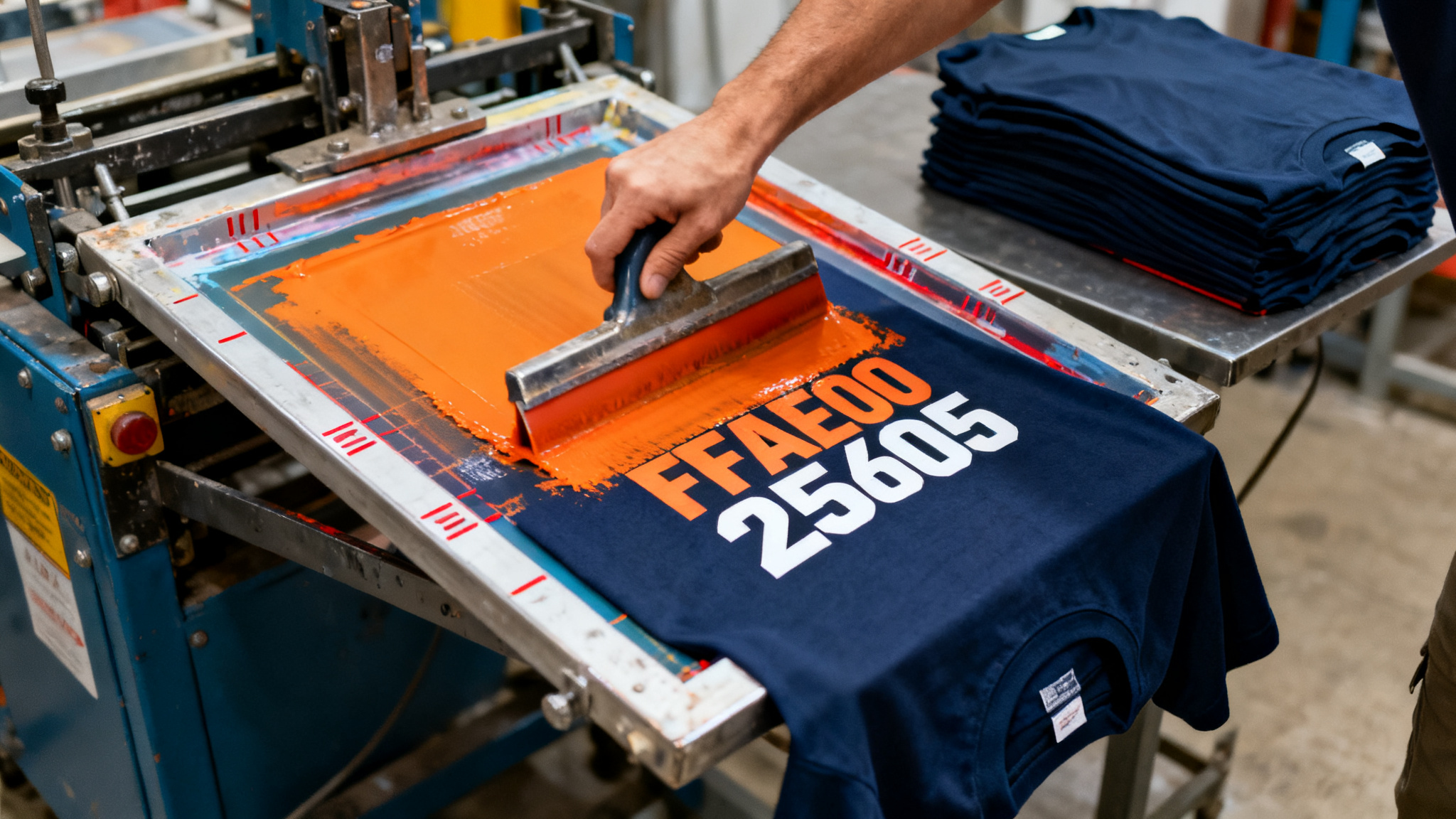
Lightweight promotional tees can dip below 50, while a 300 GSM boxy heavyweight with a custom waffle knit or an all-over print may start at 300+ because the fabric itself has a minimum. Decoration matters too: a single-colour screen print is easy to run small, but a four-colour or discharge print multiplies setup. Always ask for the MOQ broken down per style, per colour and per size so you can plan a realistic first drop rather than discovering a hidden minimum at deposit time.
Can you manufacture streetwear with a low MOQ or no minimum?
Low-MOQ and made-to-order models have opened manufacturing to small brands.
Yes — low-MOQ factories and made-to-order (mass customization) models let startups order as few as 30-50 pieces per style, trading a higher unit price and longer lead times for far lower upfront risk and less tied-up cash.5
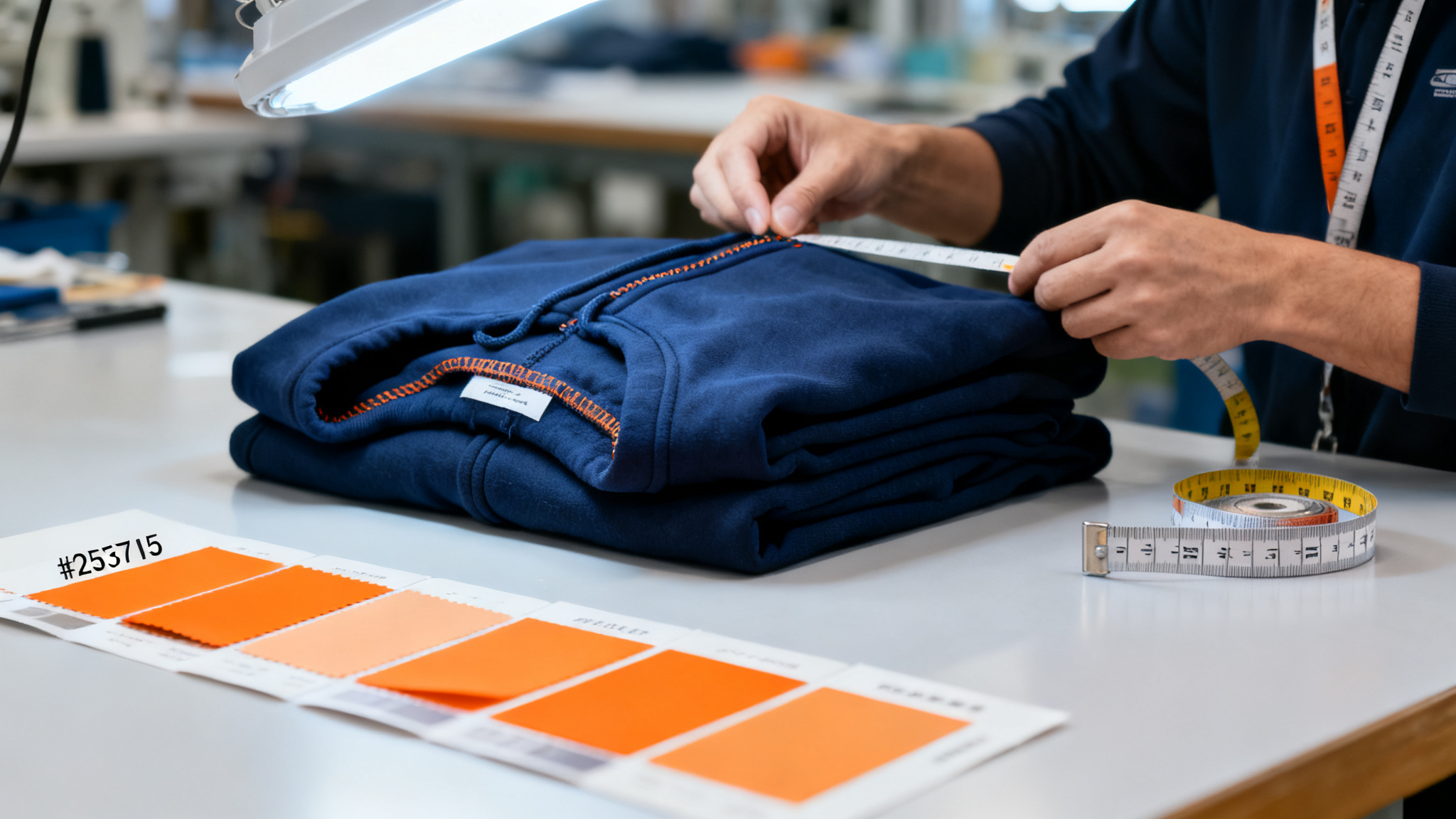
Low-MOQ production usually works by pooling your order with stock fabrics and standard patterns, or by producing on demand so nothing is made until it is sold. The trade-offs are real: unit costs are higher, fabric and colour choices are narrower, and lead times can stretch. For a first drop, though, it lets you validate designs and demand before scaling — then reorder winners at a better price once you have proof.
How do you negotiate or lower your MOQ?
MOQ is often flexible within reason if you understand the cost drivers.
You can lower your effective MOQ by consolidating designs into fewer fabric and colour bases, choosing stock fabrics over custom dye lots, accepting a small-run surcharge, and negotiating minimums early — before sampling and before you are committed to one supplier.6
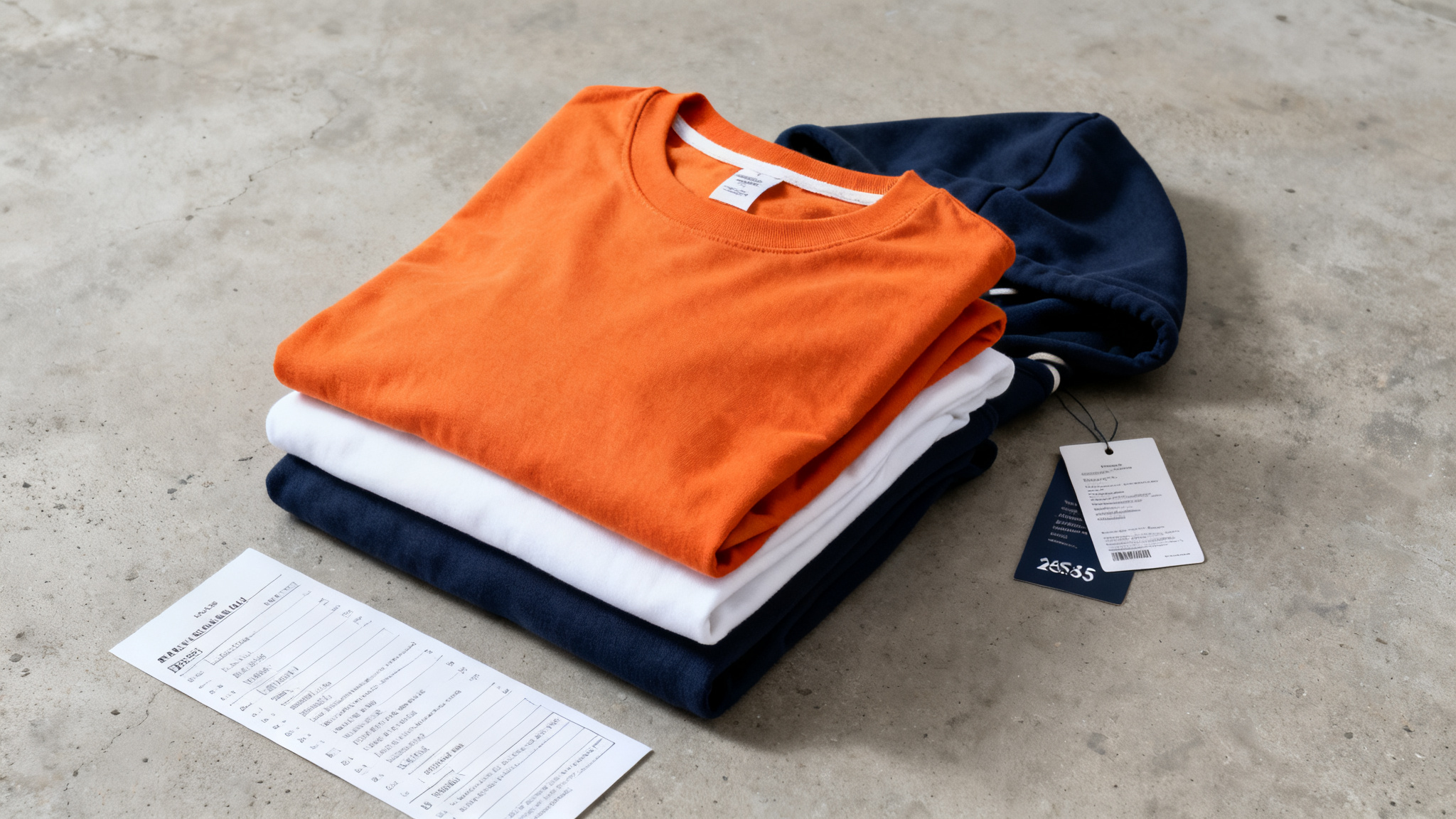
The most effective lever is reducing variety: three designs on one fabric and one colour base cost far less to set up than three fabrics and three dyes. Offering to pay a small-run fee, accepting the factory's stock colour card, or committing to a reorder can also bring a minimum down. Build this into your sourcing conversations, get the agreed minimum in the purchase order, and compare more than one supplier — a partner that explains its MOQ rather than hiding it is usually the one worth scaling with.
Conclusion
MOQ for custom streetwear manufacturing usually lands at 50-100 pieces per style per colour, driven by fabric minimums, dyeing and print setup rather than fashion — but low-MOQ and made-to-order production can start you at 30-50 pieces, and the number is often negotiable through consolidation and stock fabrics. Understand the drivers, confirm the definition in writing, and plan your first drop around them. When you are ready to produce, explore our custom clothing manufacturing or talk to our team about a low-MOQ run for your brand.
"Clothing industry - Wikipedia", https://en.wikipedia.org/wiki/Clothing_industry. Overview of the global clothing industry covers the structure of manufacturing, from fibre and fabric to cut-and-sew production. Evidence role: context; source type: encyclopedia. Supports: The statement that meaningful minimum order quantities are normal in cut-and-sew clothing manufacturing. Scope note: Minimums vary widely by factory, garment and market. ↩
"Batch production - Wikipedia", https://en.wikipedia.org/wiki/Batch_production. Descriptions of batch production explain how goods are made in defined lots with shared setup between runs. Evidence role: definition; source type: encyclopedia. Supports: The definition of MOQ as the smallest lot a factory will run for a style, colour and fabric. Scope note: MOQ conventions differ by manufacturer and process. ↩
"Economies of scale - Wikipedia", https://en.wikipedia.org/wiki/Economies_of_scale. Reference material on economies of scale explains how fixed costs fall per unit as output rises. Evidence role: mechanism; source type: encyclopedia. Supports: The explanation that fixed setup costs are why factories impose a minimum. Scope note: Actual break-even volumes depend on the factory's cost structure. ↩
"Textile industry - Wikipedia", https://en.wikipedia.org/wiki/Textile_industry. References on the textile industry cover fabric and garment production and the supply arrangements behind it. Evidence role: general_support; source type: encyclopedia. Supports: The typical MOQ ranges quoted for t-shirts, hoodies and custom-fabric garments. Scope note: Indicative ranges only; confirm exact minimums with each supplier. ↩
"Mass customization - Wikipedia", https://en.wikipedia.org/wiki/Mass_customization. Overviews of mass customization describe made-to-order and flexible production that respond to demand. Evidence role: mechanism; source type: encyclopedia. Supports: The claim that low-MOQ and made-to-order models allow orders as small as 30-50 pieces. Scope note: Low-MOQ production trades cost and lead time for flexibility. ↩
"Procurement - Wikipedia", https://en.wikipedia.org/wiki/Procurement. References on procurement describe the process of sourcing and negotiating with suppliers. Evidence role: mechanism; source type: encyclopedia. Supports: The tactics for negotiating a lower effective MOQ with a manufacturer. Scope note: Negotiation outcomes depend on the supplier and order context. ↩
Ready to make this for your brand?
Adiwe manufactures custom T-shirts, hoodies, jackets, pants, shorts and shirts for brands worldwide — from 50 pcs per style and colour, with private labelling, three-stage QC and a physical sample you approve before bulk.
Custom Hoodie ManufacturingCustom T-Shirt Manufacturing