
A blank white tee that has been washed a hundred times sells for eighty dollars in a vintage shop, while a brand new one in the same weight sells for twelve. Brands see that gap and try to close it with a bottle of bleach, and the first sample comes back looking less like an archive piece and more like a mistake. Vintage on a T-shirt is a finish, built from a dye choice, a wash recipe and a small number of deliberate construction decisions.
A vintage wash T-shirt is made by dyeing the sewn shirt rather than the fabric roll, then running a controlled enzyme or stone wash that fades the surface colour, softens the hand and puckers the seams, with collar and hem wear kept deliberate and the shade locked against a sealed bulk standard.1
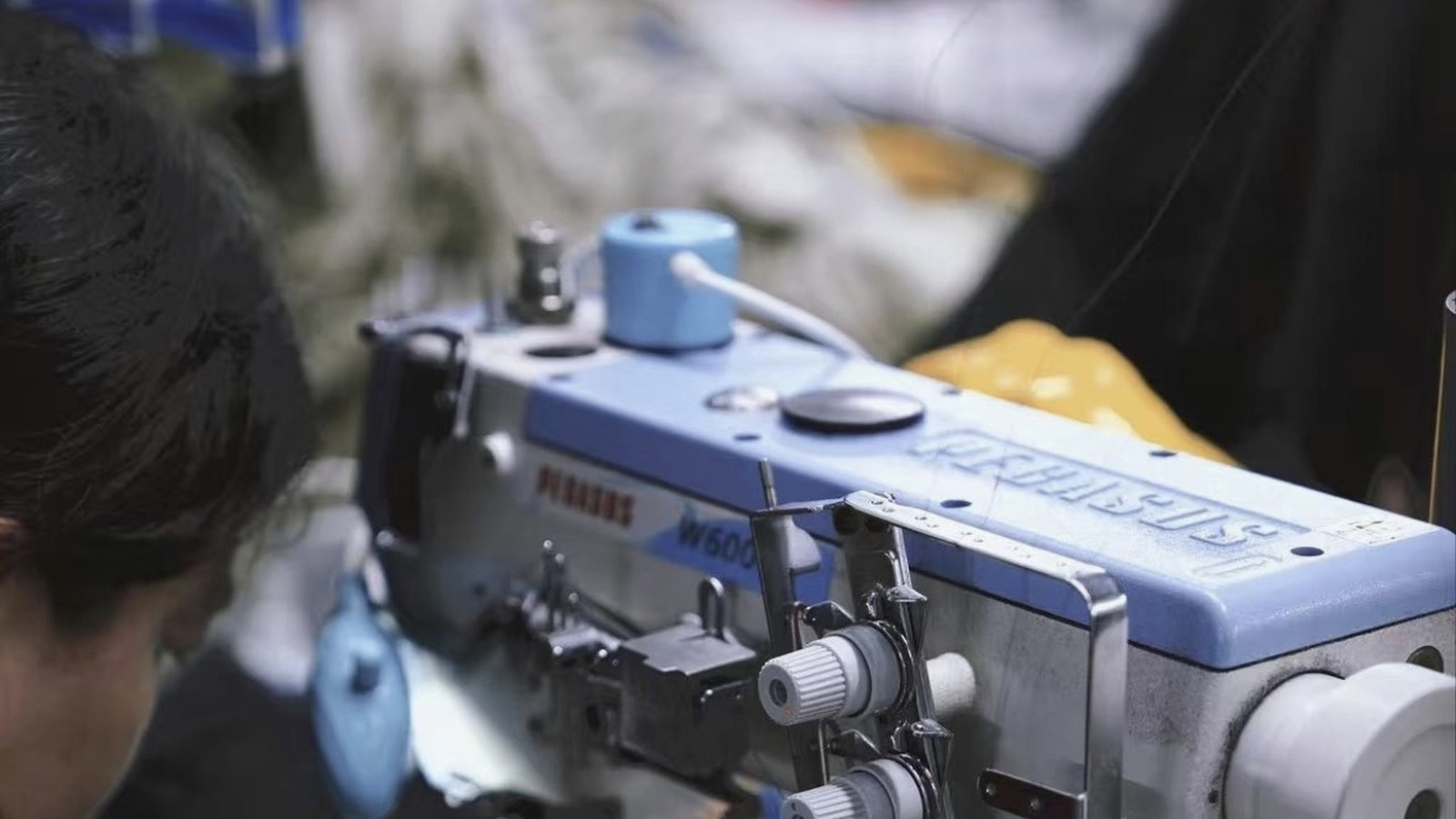
The order of operations matters more on a tee than on a hoodie, because jersey is thin. A heavyweight fleece can absorb aggressive abrasion and still look intact; a 180 GSM single jersey cannot. That is why the wash route, the fabric weight and the dye method have to be chosen together, before the first sample is cut.
What makes a T-shirt look vintage washed?
Buyers describe it as "soft", but three separate effects are doing the work.
A convincing vintage T-shirt combines a faded, slightly uneven surface colour, a softened and lightly abraded cotton hand, and visible wear at the collar, sleeve hems and side seams — the same mechanical effects that stone washing produces on cotton garments.2
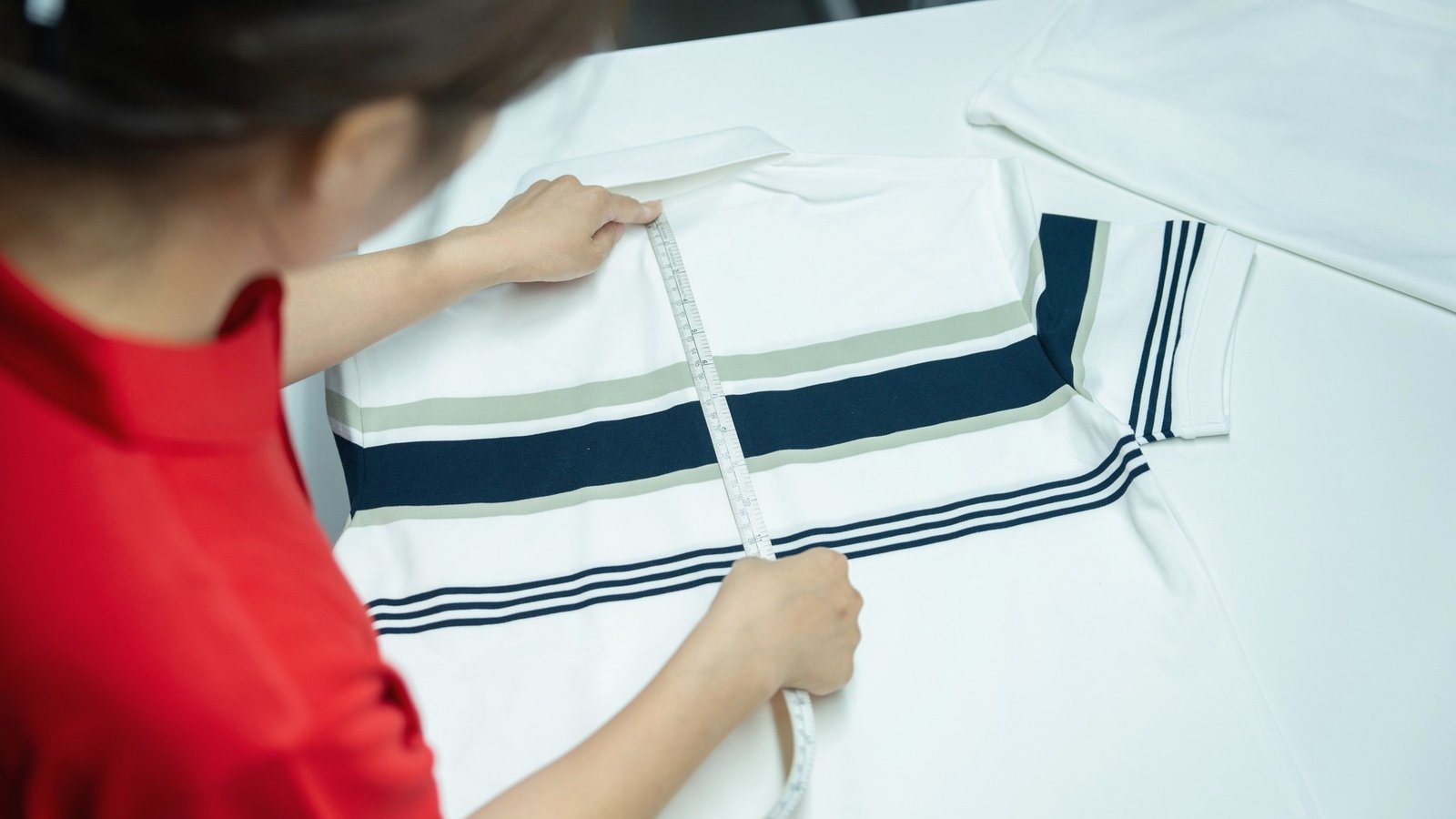
Colour alone reads as a bad dye lot. Softness alone reads as a shirt that has been laundered. Edge wear alone reads as damage. Together they read as age, because that is exactly how a real ten-year-old tee degrades: the dye goes first, the fibre surface blooms second, and the stress points at the neck and hems give out last. Write the target down as a physical reference — a thrifted shirt, a photo under daylight, a finished swatch from the laundry — instead of approving an adjective over chat.
Which wash process gives the best vintage fade on a T-shirt?
There are three routes, and on light jersey the gentlest one usually wins.
Enzyme washing with cellulase is the standard route for vintage T-shirts: the enzyme attacks the cotton surface to soften it and release a light, even fade, while stone washing adds stronger mechanical abrasion and acid washing produces high-contrast marbling.3
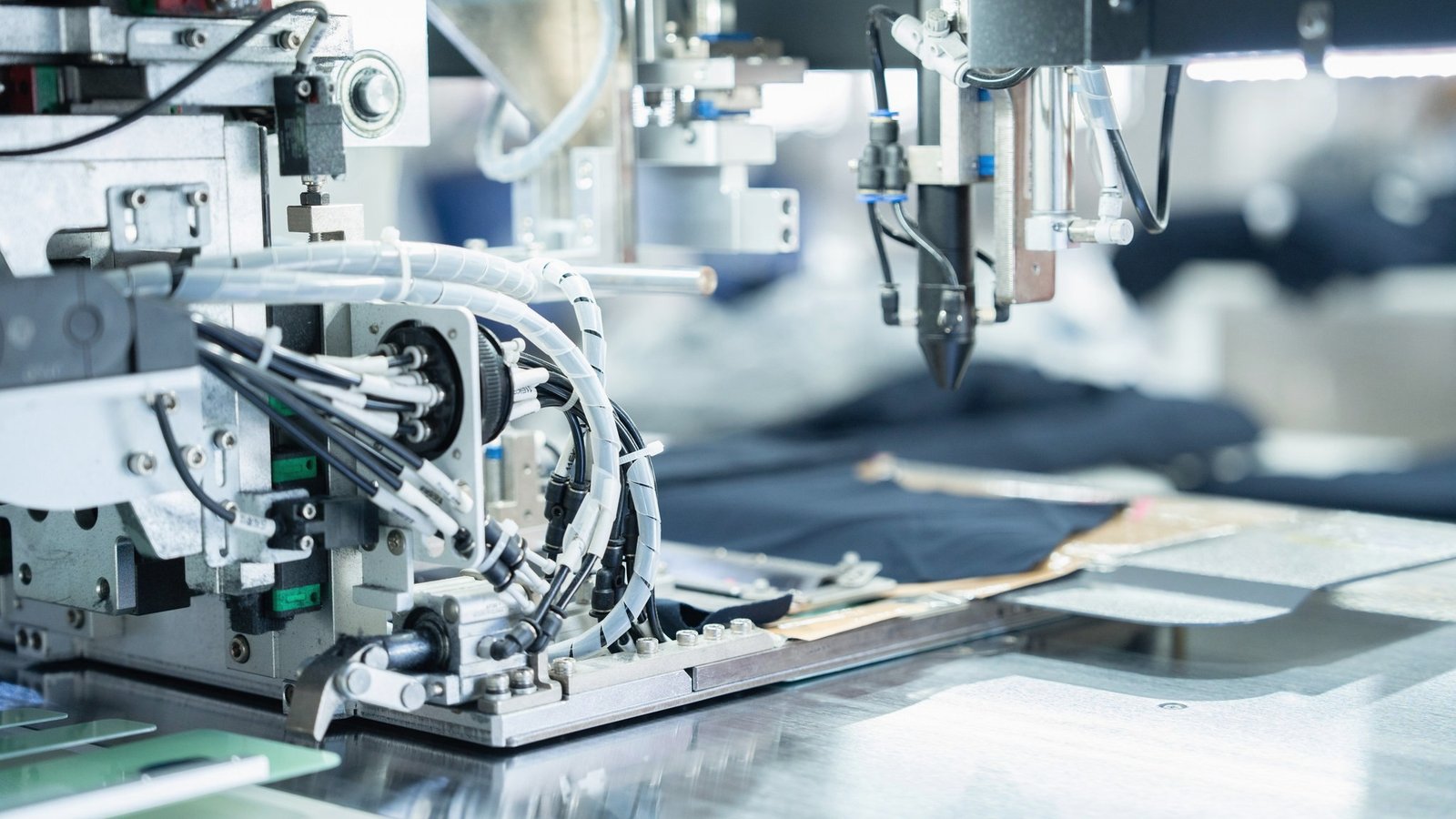
Enzyme wash is repeatable, controllable and forgiving on a 180–220 GSM body, which is why most vintage-washed tees in the market are enzyme-washed rather than stoned. Stone wash on a light tee needs a heavier body — 240 GSM and up — or the pumice starts opening holes at the shoulder seam and around the collar. Acid wash is a design decision, not a subtle fade: it belongs on a marble-look drop where the contrast is the product. Ask the laundry for the recipe in kilos, temperature, cycle time and chemistry, and ask what they do when a load comes out a shade too light.
How do you get the faded colour right on a vintage T-shirt?
This is where most first samples fail, and the fix is in the dye stage, not the wash stage.
The most controllable vintage fade comes from dyeing the finished shirt in garment or pigment dye to a shade darker than the target, then letting the wash pull colour back — because piece-dyed fabric is coloured through the yarn and resists a controlled surface fade.4
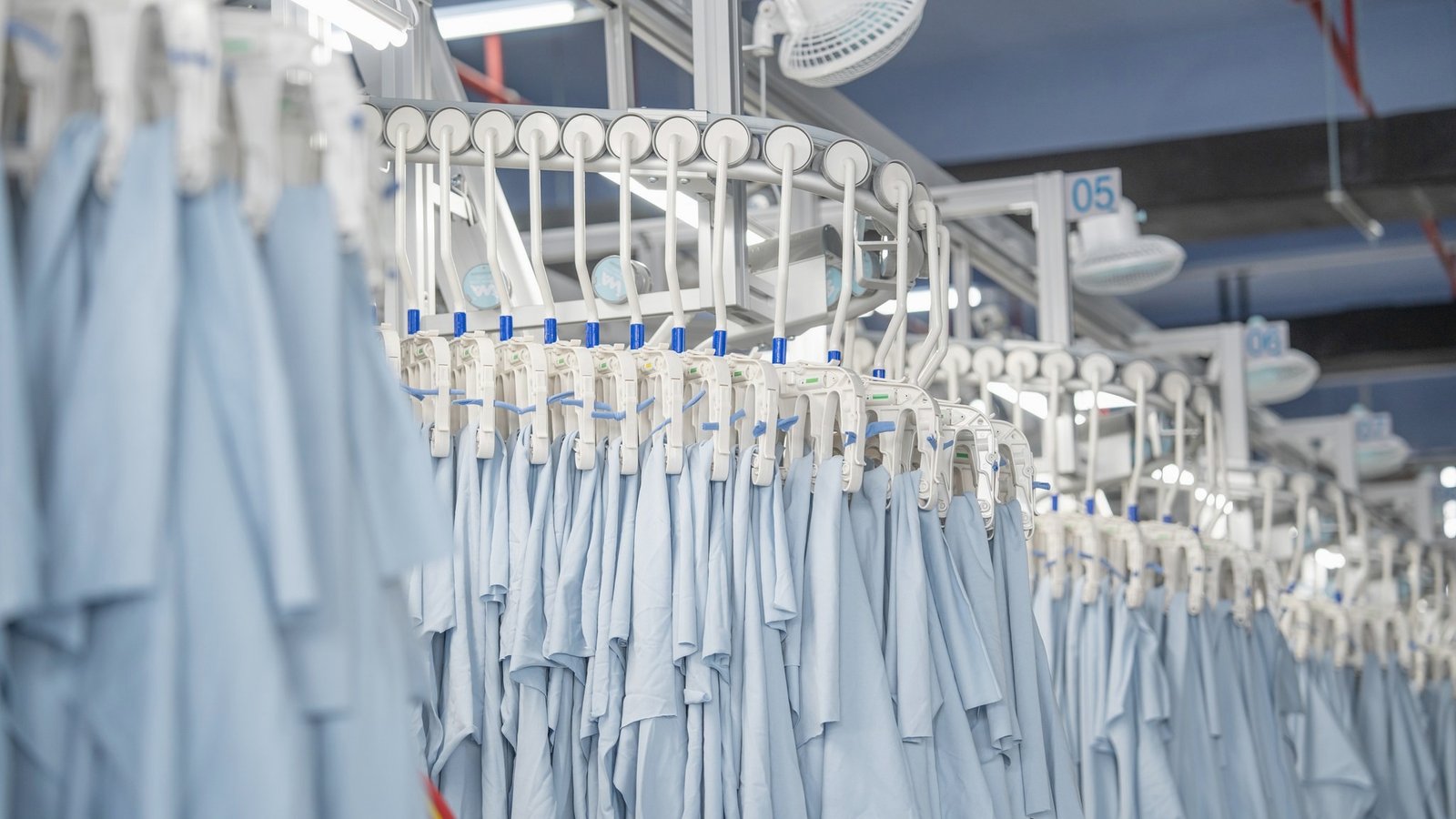
Garment dyeing colours the sewn tee, so the laundry can work the surface back and leave the seams, hems and collar edge sitting a touch lighter — the unevenness that reads as age rather than as error. Pigment dye goes further, sitting on the fibre surface and fading with abrasion, which gives the dusty, sun-bleached look many streetwear brands want; the trade-off is lower rub fastness, so it needs to be tested against your care label claims. Whichever route you take, approve the target shade on a washed swatch under a defined light source, not on a flat screen, and note that faded navy drifts to grey-blue or purple far more easily than faded black does. Our custom T-shirt manufacturing page covers how dye route, weight and wash are specified as one package.
How do you vintage-wash a T-shirt without wrecking the collar and seams?
The neck rib and the shoulder seam are the two places a vintage tee turns into a return.
Protect a vintage T-shirt by washing at low tension and moderate temperature, choosing a rib collar that is pre-shrunk to the same ratio as the body, and keeping abrasion off load-bearing seams — because wash shrinkage and abrasion act on the collar and body at different rates.5

A cotton rib collar and a cotton jersey body do not shrink at the same rate, so a wash that pulls three percent out of the body can leave the neck standing open or rippling. Fix it at the pattern stage: specify a collar with matching shrinkage, allow for wash shrinkage in the body length and chest, and test the full cycle on production fabric before bulk. Avoid over-tumbling in the dryer, which is what turns a soft hand into a fuzzy, pilled surface, and keep any sanding or hand-distressing away from the shoulder and side seams where a nick becomes a hole in the customer's second wash. Document the distressed zones on a marked flat sketch with pass and fail photos, so QC inspects against an image rather than an opinion.
How do you keep vintage washes repeatable across a bulk order?
The sample is the easy part; making piece 600 match it is the job.
Wash results shift with the cotton itself, so repeatability depends on fixing fabric lot, dye recipe and wash recipe together and approving a sealed bulk standard that every later lot is matched against.6
Cotton absorbency and abrasion response vary between lots and between mills, so a recipe that lands the target shade on one fabric lot can come out half a shade light on the next. Put three things in writing: a fabric lot or dye-lot commitment, a sealed and signed bulk standard held by both sides, and an agreed tolerance measured on a spectrophotometer rather than argued by eye. Then check shade continuity across sizes, because sleeves and bodies cut from different lays can wash differently even inside one order. A factory that treats the wash standard as a controlled document — not a photo in a chat thread — is the one that can run your second drop without you re-approving everything from scratch.
Conclusion
A vintage T-shirt is engineered backwards from the look: pick a weight that can take the abrasion, dye the sewn shirt so the fade is controllable, run a documented enzyme or stone recipe, protect the collar and seams at the pattern stage, and seal a bulk standard before cutting. Get those five right and the shirt reads as archive; get them wrong and it reads as a factory error. If you are building a vintage-wash tee programme, send us your reference shirt and target quantity and we will come back with the fabric weight, dye route, wash recipe and realistic timeline.
"T-shirt", https://en.wikipedia.org/wiki/T-shirt. Describes the T-shirt as a collarless, short-sleeved knit garment and covers its typical jersey construction, neck rib and hem finishing. Evidence role: general_support; source type: encyclopedia. Supports: the definition of the garment and the construction points (collar rib, sleeve and body hems, side seams) that vintage finishing acts on in this article. Scope note: cultural and construction overview; does not cover dye methods, wash recipes or shade tolerances. ↩
"Stone washing", https://en.wikipedia.org/wiki/Stone_washing. Explains how stone washing abrades garment surfaces with pumice or synthetic stones to soften fabric and produce a faded, worn appearance. Evidence role: general_support; source type: encyclopedia. Supports: the claim that fade, softness and edge wear on a vintage T-shirt come from mechanical abrasion rather than from dye choice alone. Scope note: written mainly around denim; the same mechanical principles apply to cotton jersey, but the load, stone ratio and cycle time differ substantially on lighter fabric. ↩
"Cellulase", https://en.wikipedia.org/wiki/Cellulase. Describes cellulase enzymes and their industrial use in textile processing, including bio-polishing and enzyme stone-wash replacement on cotton. Evidence role: general_support; source type: encyclopedia. Supports: the explanation of enzyme wash as the gentler, more repeatable route to a faded, softened jersey surface compared with pumice stone washing. Scope note: industrial chemistry focus; gives no garment-level recipes, machine loads or shade tolerances, which must come from the laundry. ↩
"Dyeing", https://en.wikipedia.org/wiki/Dyeing. Covers dyeing methods and the difference between dyeing fibre, yarn, fabric and finished garments, including how dye penetration affects colour evenness. Evidence role: general_support; source type: encyclopedia. Supports: the argument that garment and pigment dyeing give a more controllable surface fade and more visible seam contrast than piece-dyed jersey. Scope note: broad textile-dyeing overview; fastness ratings and laundry-specific fading behaviour must be confirmed with the supplier and by lab testing. ↩
"Textile printing", https://en.wikipedia.org/wiki/Textile_printing. Explains textile printing methods and how ink or dye is applied to fabric surfaces, including the effect of application method on how colour sits on the cloth. Evidence role: general_support; source type: encyclopedia. Supports: the point that surface-applied colour and print sit differently from dyed colour and therefore age and crack with abrasion. Scope note: printing-focused overview; the article's collar-shrinkage and seam-durability guidance comes from garment construction practice, not from this source. ↩
"Cotton", https://en.wikipedia.org/wiki/Cotton. Describes cotton as a natural fibre and explains how fibre properties, staple length and processing affect the finished fabric. Evidence role: general_support; source type: encyclopedia. Supports: the explanation of why wash results shift between cotton lots and why sealed bulk standards and lot commitments are needed for shade consistency. Scope note: agricultural and fibre-science overview; does not address apparel wash-house practice, spectrophotometer tolerances or inspection lighting standards. ↩
Ready to make this for your brand?
Adiwe manufactures custom T-shirts, hoodies, jackets, pants, shorts and shirts for brands worldwide — from 100 pcs per style and colour, with private labelling, three-stage QC and a physical sample you approve before bulk.
Custom Hoodie ManufacturingCustom T-Shirt Manufacturing