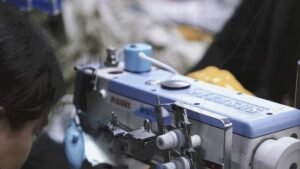
"Can you send a sample first?" is the question nearly every new brand asks, and the number that comes back — somewhere between fifty dollars and several hundred — is where a lot of first orders stall. The figure looks arbitrary until you see what is actually inside it: a pattern drafted for one style, fabric bought in metres instead of rolls, and a single operator making a garment that a production line would normally finish in a couple of minutes.
A clothing sample typically costs $50–$150 for a t-shirt, $120–$300 for a hoodie and $300–$800 for outerwear or anything with custom fabric, because a sample is a one-off prototype built to test a design before production rather than a unit of production.1
Those ranges are wide because four cost lines move independently: pattern work, materials bought at small quantity, single-unit labour, and shipping. A sample made in your own fabric in your own colour sits at the top of the range; a sample made in a stock fabric the factory already holds sits at the bottom. Knowing which of the four is driving your quote is the difference between negotiating and guessing.
Why does one sample cost more than ten production units?
The invoice looks impossible next to a bulk price — a $90 sample for a t-shirt that will cost $7 in bulk.
Average cost per unit falls as output rises, because fixed costs — pattern and marker work, machine setup, minimum thread and trim purchases, line changeover — are divided across the whole run instead of landing on a single garment.2
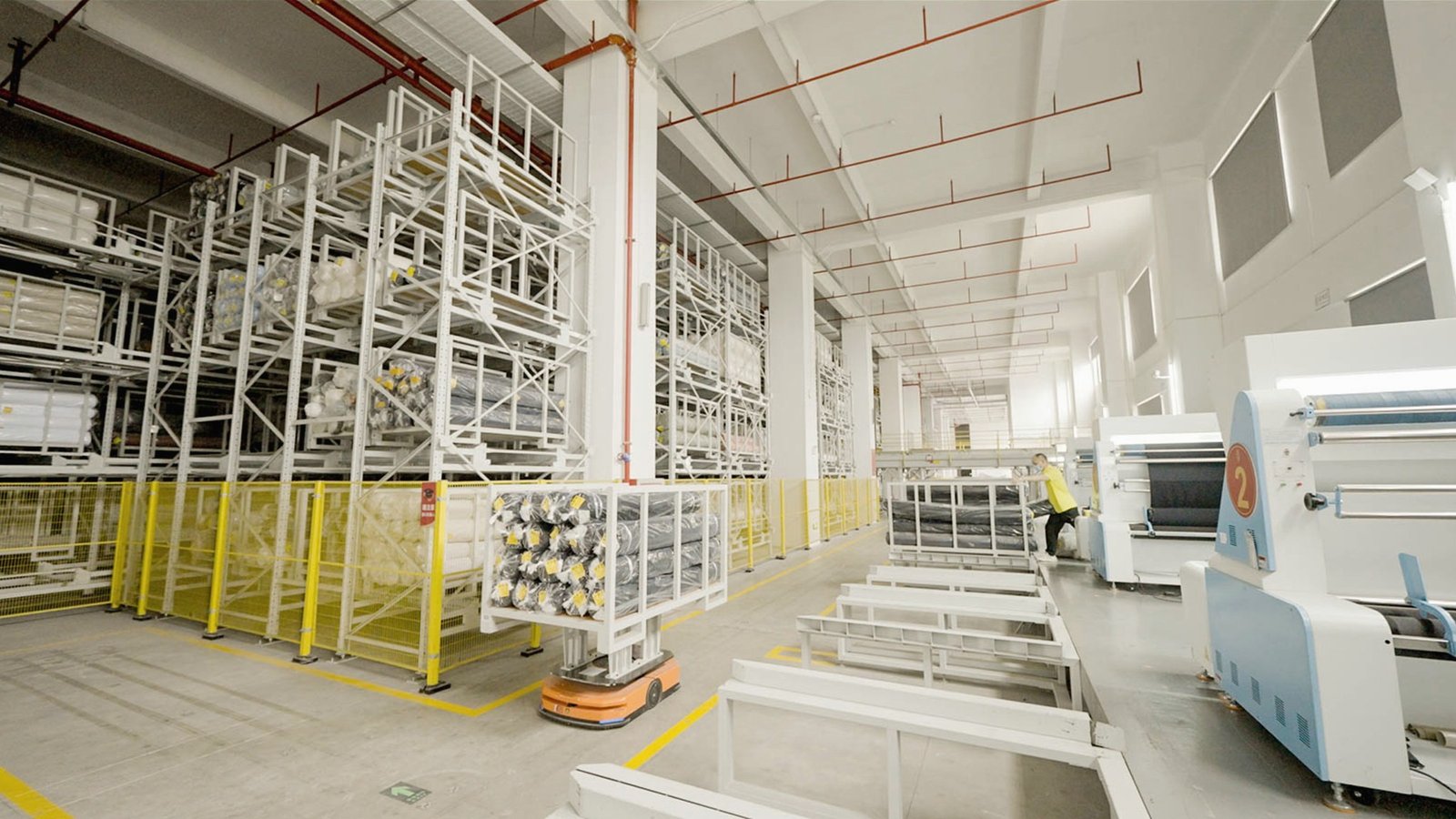
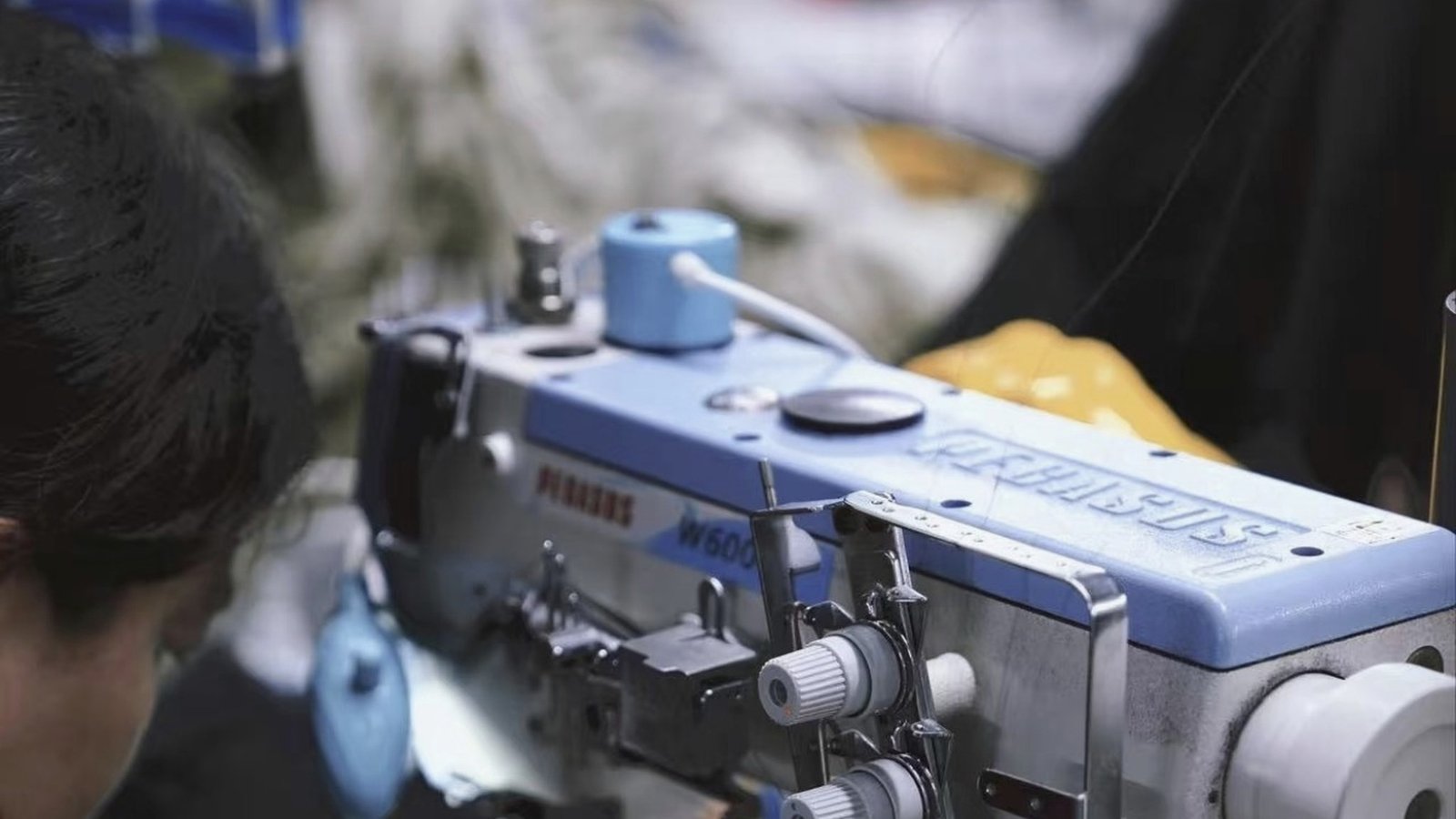
In a bulk run of 500 pieces, a 30-minute pattern and marker setup adds four seconds to each garment. On a sample, that same setup is the whole job. The fabric is bought as one or two metres at retail-adjacent prices rather than a 25 kg roll; the sewing is done by a sample-room operator who works slowly and checks everything, not by a line running at a standard allowed minute; the trims are pulled from a drawer of odds and ends. Add a courier and the sample often lands at ten to fifteen times the bulk unit price. That multiple is normal, and it is the single most useful benchmark when a quotation looks too cheap.
What is actually included in a sampling quote?
Ask for the sample price broken into lines rather than a single figure — the lines tell you what you are buying and what will be charged again later.
A properly itemised sampling quote follows the bill of materials: shell fabric and rib, trims, labels and thread, plus pattern and grading, sample-room labour, and any one-off setup such as screens for print or digitising for embroidery.3
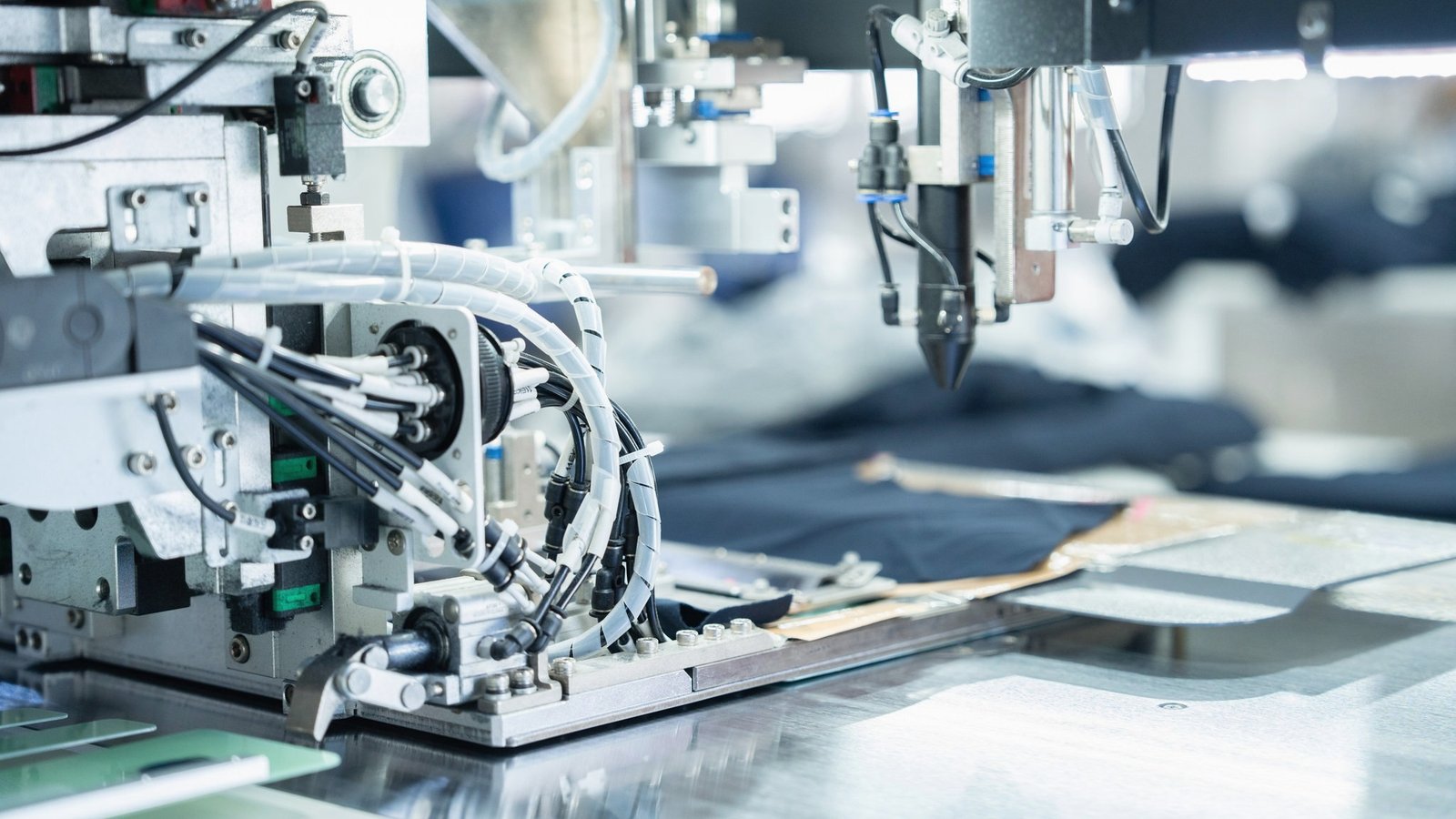
The setup lines are the ones worth reading closely, because they are not really sample costs — they are production costs that arrive early. A screen for screen printing is typically a small per-colour charge; embroidery digitising is a one-time file cost; a lab dip or strike-off for a custom Pantone colour is a separate charge again, and a custom-knitted or custom-dyed fabric can carry a minimum order that dwarfs the sample itself. Ask which of these are credited back against bulk and which are genuinely consumed by the sample. If you want the full build order, our tech pack guide covers the pages a sample room needs before it can quote anything.
How much do pattern revisions and fit rounds add?
Most sampling budgets are lost in round two and round three, not round one.
Each fit revision requires the pattern to be amended, re-graded if the change affects sizing, and cut and sewn again as a new garment, so a second round typically costs 50–100% of the first and most developments run two to three rounds.4
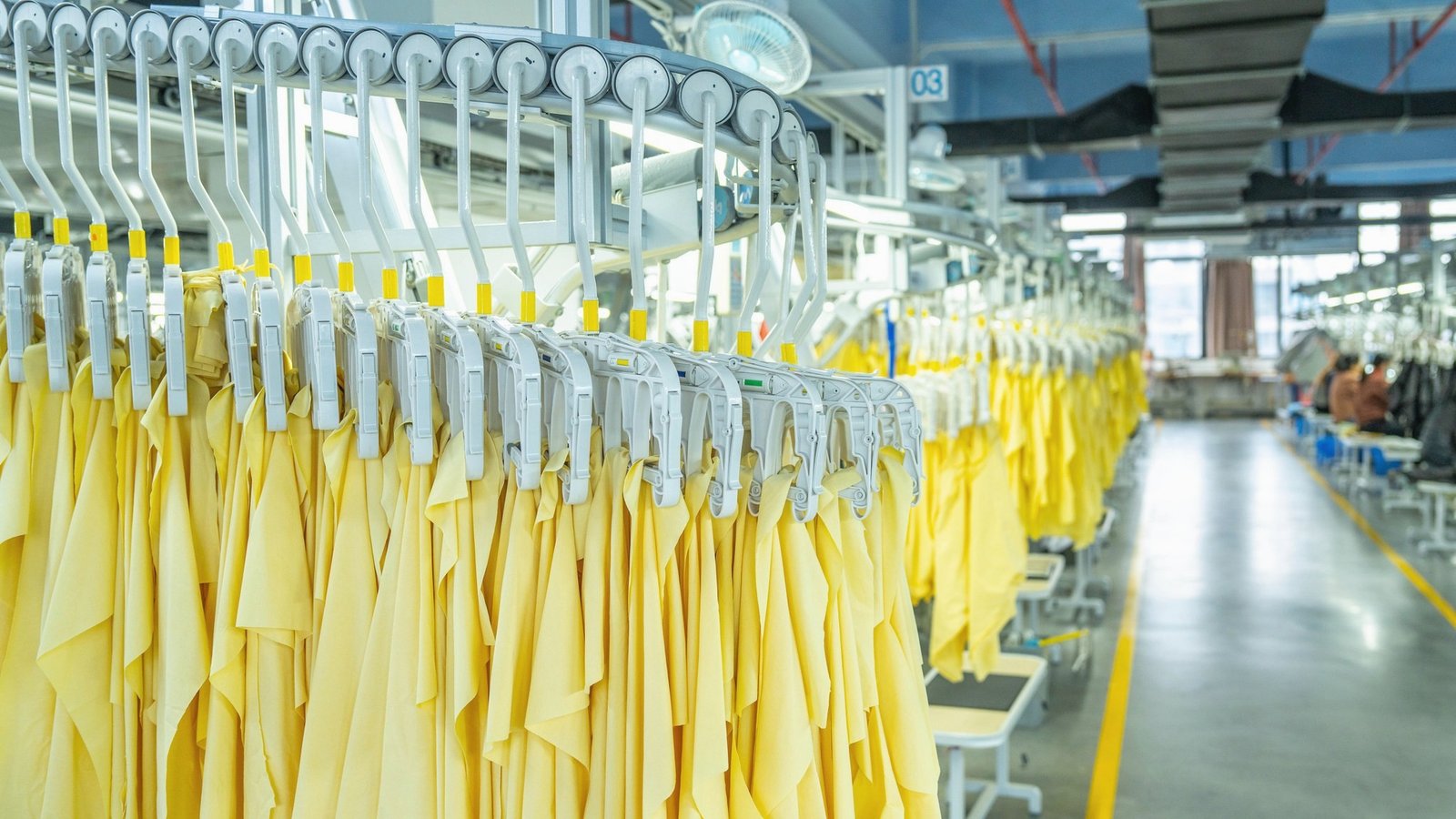
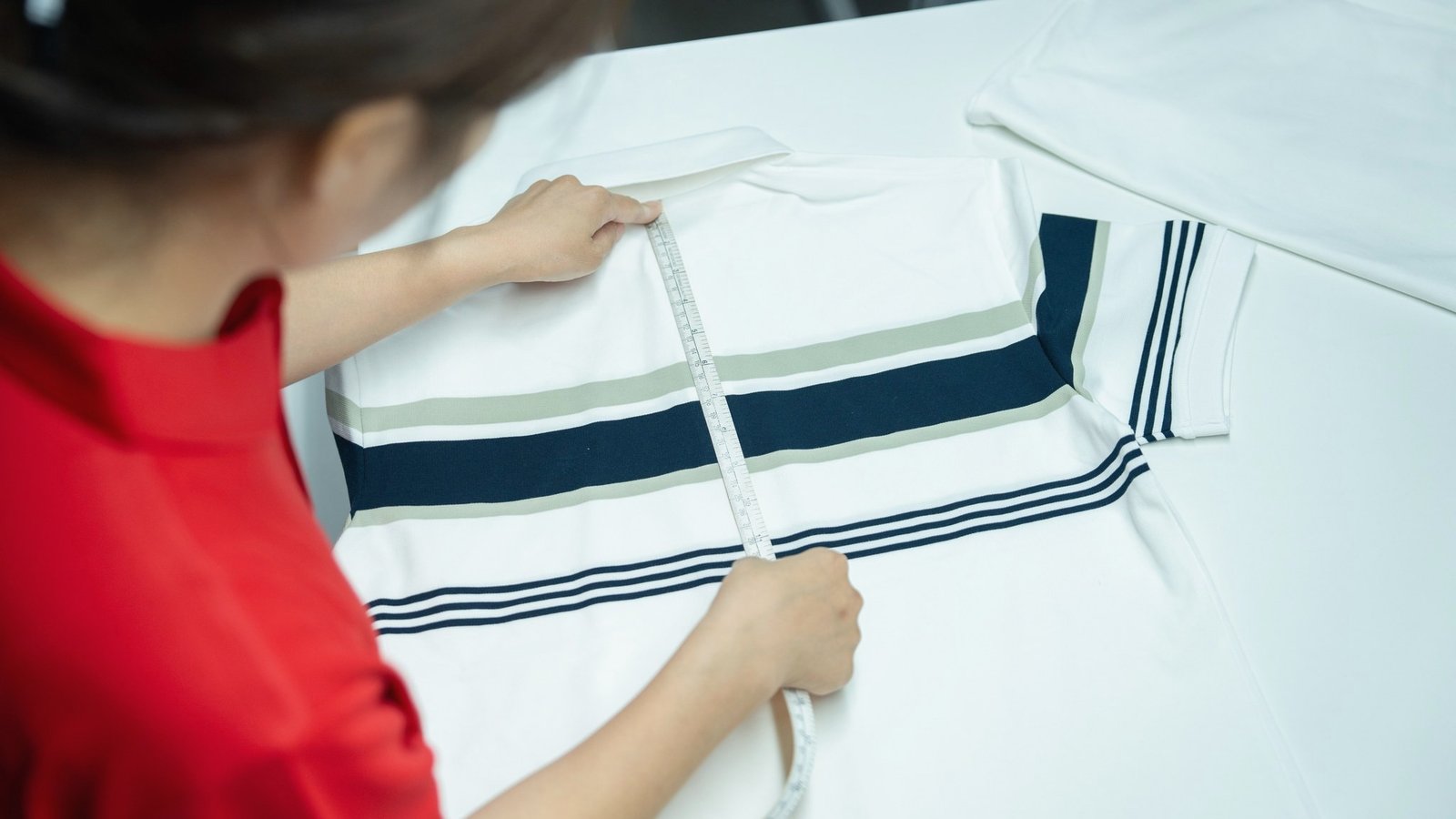
A development usually passes through a fit sample to check shape and measurements, a sales or photo sample in final fabric and colour, a pre-production sample sewn on the actual line with the actual operator, and sometimes a top-of-production sample pulled from the run. Each is a separate garment and each is billed. The cheapest way through is to consolidate comments: measure the fit sample against your spec sheet, mark every point of measure in one pass, and send one complete set of corrections instead of three emails. Virtual 3D sampling helps with print placement and silhouette, but it will not tell you how a 300 GSM jersey actually drapes, so budget for at least one physical round.
Do you get the sample fee back on a bulk order?
This is the one line worth agreeing before you pay anything.
Most factories credit the sampling fee against the bulk invoice once the order reaches their minimum, treating sampling as a pre-production development cost rather than revenue — but the credit is rarely automatic and has to be written into the quotation.5
Policies vary more than brands expect. Some factories credit the full sampling fee at or above MOQ, some credit half, some credit it only on reorders, and custom fabric or custom-developed trims are usually excluded because the mill charge is already spent. Put the terms in the proforma invoice, not in a chat message: the fee, the order quantity at which it is credited, and whether revision rounds count. Just as important, confirm who owns the pattern once it is paid for — a development fee should buy you a pattern you can take elsewhere, and that is a fair thing to ask before you commit to a full collection budget.
Who pays shipping, duty and courier on samples?
The sample price almost always stops at the factory door.
Sample freight is normally billed to the buyer on top of the sample price, and the delivery term on the waybill decides whether import duty and tax are collected from the recipient or prepaid by the sender.6
An express courier on a one-kilogram parcel is a real cost, and it is charged per shipment, not per garment — which is why consolidating three styles into one box is the simplest saving available. Declare the sample at a realistic value: under-declaring to reduce duty creates a mismatch with the invoice your finance team will later need, and customs in most markets can hold or revalue a parcel. Ask whether the factory quotes DDP or DAP for samples, because the difference is who pays the duty at the border. Low-value thresholds exist in some countries and not others, and the rules change, so treat any figure you read online — including this one — as something to confirm with your own broker.
Conclusion
Budget $100–$300 per style for a development that needs two rounds in stock fabric, and more if you are developing custom fabric, custom colours or embroidery. Then treat sampling as the cheapest part of the project: a $250 sample that exposes a bad fit, a wrong hand-feel or a print that cracks saves thousands of dollars of bulk you cannot sell. Ask for the quote in lines, agree the credit terms in writing, and consolidate revisions into one round. If you want a sample price against your own style, send us the tech pack and target quantity through our custom clothing manufacturing team, and read how the sampling process works before the first round starts.
"Prototype", https://en.wikipedia.org/wiki/Prototype. Describes a prototype as an early sample or model of a product built to test a concept or process before full production, and notes that prototypes are evaluated and iterated rather than sold as finished goods. Evidence role: general_support; source type: encyclopedia. Supports: the framing of a clothing sample as a one-off development build whose cost is driven by setup and iteration rather than by the volume price of the garment. Scope note: product-design and engineering context; the dollar ranges quoted in this article are indicative factory sampling quotations for cut-and-sew apparel and are not derived from this source. ↩
"Economies of scale", https://en.wikipedia.org/wiki/Economies_of_scale. Explains that as output increases, fixed costs are spread across more units and average cost per unit falls, and distinguishes fixed from variable costs in production. Evidence role: general_support; source type: encyclopedia. Supports: the explanation of why a single sample carries the full pattern, setup and material-minimum cost that a bulk run divides across every piece. Scope note: general economics overview; the specific multiple between sample and bulk price varies by style, fabric and factory and is not fixed here. ↩
"Bill of materials", https://en.wikipedia.org/wiki/Bill_of_materials. Defines a bill of materials as the itemised list of parts, materials and quantities required to build a product, used for purchasing, costing and production planning. Evidence role: general_support; source type: encyclopedia. Supports: the claim that a sampling quote should be itemised along BOM lines — fabric, trims, labels, thread — rather than presented as one figure. Scope note: manufacturing-engineering definition; apparel-specific BOM fields such as placement, colourway and consumption per garment are industry conventions not covered by the source. ↩
"Pattern (sewing)", https://en.wikipedia.org/wiki/Pattern_(sewing). Explains how sewing patterns are drafted from body measurements and design intent, how pattern pieces and seam allowances define a garment, and how patterns are graded across sizes. Evidence role: general_support; source type: encyclopedia. Supports: the point that a fit revision means amending the pattern and cutting and sewing a new garment, so each round is a fresh cost rather than an edit. Scope note: pattern-making overview; it does not address sampling fees, revision pricing or the number of rounds a factory will include. ↩
"Cost of goods sold", https://en.wikipedia.org/wiki/Cost_of_goods_sold. Defines cost of goods sold as the direct costs attributable to the goods a business sells, including materials and direct production labour, and distinguishes those costs from operating and development expenses. Evidence role: general_support; source type: encyclopedia. Supports: the treatment of a sampling fee as a pre-production development cost that can be recovered against the bulk order rather than as factory revenue. Scope note: accounting definition; credit policies, the quantity threshold at which a fee is credited and the treatment of revision rounds are commercial terms that must be agreed between buyer and supplier. ↩
"Incoterms", https://en.wikipedia.org/wiki/Incoterms. Explains the international commercial terms published by the International Chamber of Commerce that allocate cost, risk and customs responsibility between buyer and seller under named delivery rules such as DAP and DDP. Evidence role: general_support; source type: encyclopedia. Supports: the statement that the delivery term on a sample shipment determines who pays freight, duty and import taxes. Scope note: rules overview only; courier surcharges, low-value import thresholds and duty rates differ by country and change over time, and should be confirmed with a freight forwarder or customs broker. ↩
Ready to make this for your brand?
Adiwe manufactures custom T-shirts, hoodies, jackets, pants, shorts and shirts for brands worldwide — from 100 pcs per style and colour, with private labelling, three-stage QC and a physical sample you approve before bulk.
Custom Hoodie ManufacturingCustom T-Shirt Manufacturing