Almost every first-time brand asks the same question in the same week: "can you just start production?" The honest answer is no, and it is not a delay tactic. Before a single bulk roll is cut, someone has to prove that the design can actually be sewn, that the fabric behaves the way the sketch assumed, and that the measurements in your size chart survive contact with a real body. That proof is a sample.
The clothing sampling process is a short, repeating loop: your tech pack and pattern are turned into a physical proto sample, that sample is fitted and corrected, the corrections are re-cut into fit and size-set samples, and only the final approved pre-production sample unlocks bulk — typically 2 to 4 rounds over 10 to 21 working days before production.1
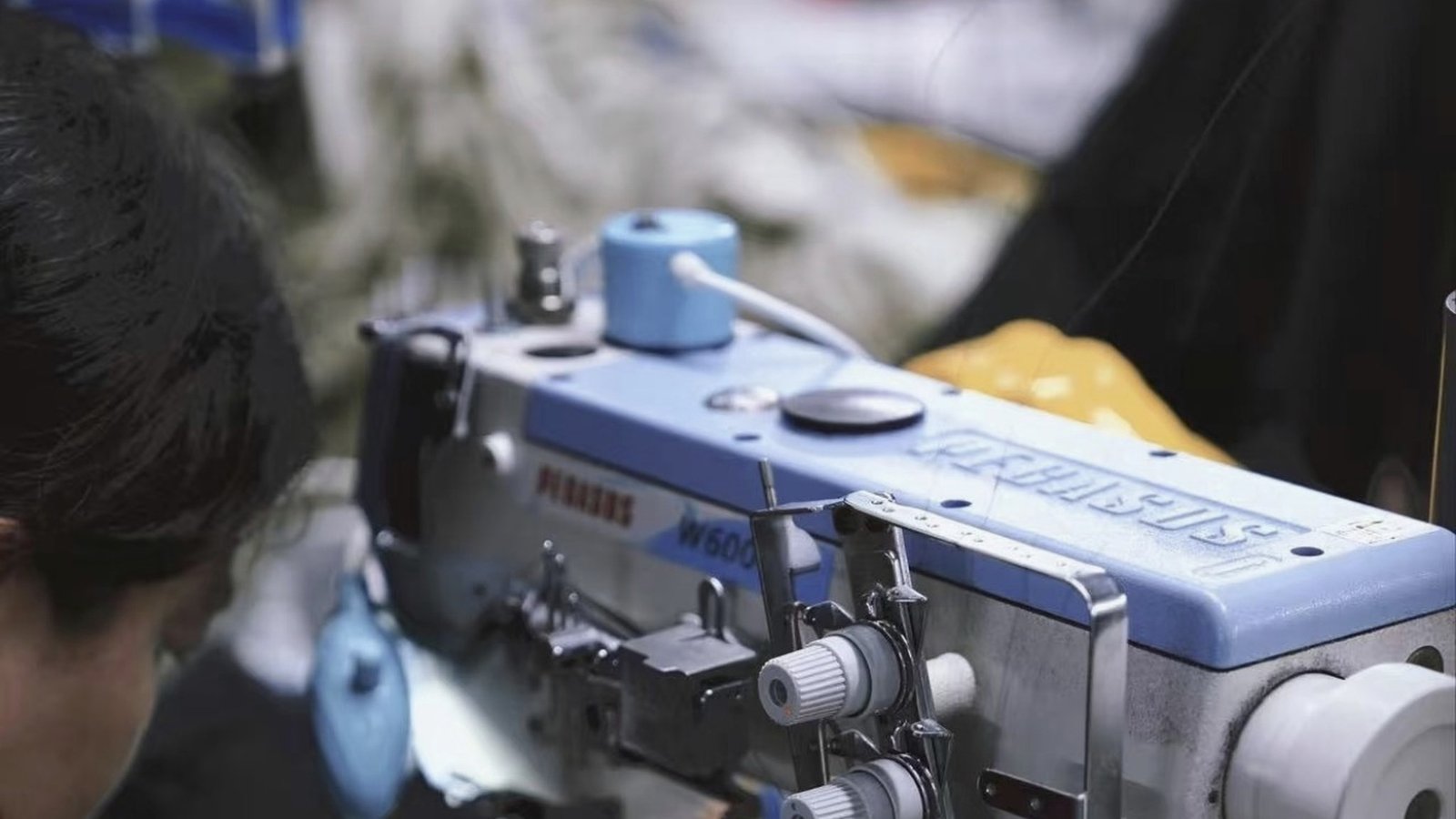
Sampling is the cheapest place to be wrong. A correction at proto stage costs a pattern edit and a day. The same correction discovered in bulk costs fabric, cutting, sewing time and air freight. This guide walks through what each sample is for, how long the rounds take, what they cost, and what you should physically check before you sign anything off.
What Is a Clothing Sample, and Why Does It Come Before Bulk?
A sample is the design converted from a drawing into an object that can be measured, worn and cut apart.
A clothing sample is a garment sewn from a paper pattern and the actual production fabric, made so the pattern's fit, construction sequence, stitch quality and fabric consumption can be tested before the factory commits to a bulk run — the sample is the pattern's first physical draft, not a marketing mock-up.2
This is why a sample made in a substitute fabric is only half a sample. If the proto is sewn in a lighter or softer cloth than production, the drape, the shoulder drop and the shrinkage all change, and the fit comments you give will be correcting the wrong garment. Send the real fabric, or approve the closest available match in writing. The same logic applies to trims: the zip, the rib and the drawcord all affect how a sample hangs and how long it takes to sew.
Which Samples Will You Actually Make?
Not every order needs every stage, but each stage exists for a different decision.
Most apparel programs run four sample types in sequence: a proto sample to prove construction and silhouette, a fit sample in your base size to correct measurements, a size set covering the full size range to test grading, and a pre-production (PP) sample in final fabric and trims that is signed off as the bulk reference.3
Small brands often compress this to two rounds: one proto and one PP, skipping the size set and grading the pattern from measurements instead. That is a legitimate trade-off for a 100-piece drop, but it moves risk to the bulk inspection. Larger programs add photo samples for the lookbook and sales samples for wholesale showrooms, and those are produced in the same window, which is worth scheduling deliberately rather than discovering two weeks before a trade show.
How Long Does the Clothing Sampling Process Take?
Timelines are usually set by the fabric and the pattern, not by the sewing.
A realistic schedule is 7 to 10 working days for a first proto, 5 to 7 days per subsequent fit round on a repeat style, and a few extra days if fabric must be knitted, dyed or ordered in, so three rounds plus courier time commonly lands at 3 to 5 weeks from tech pack to approved PP sample.4
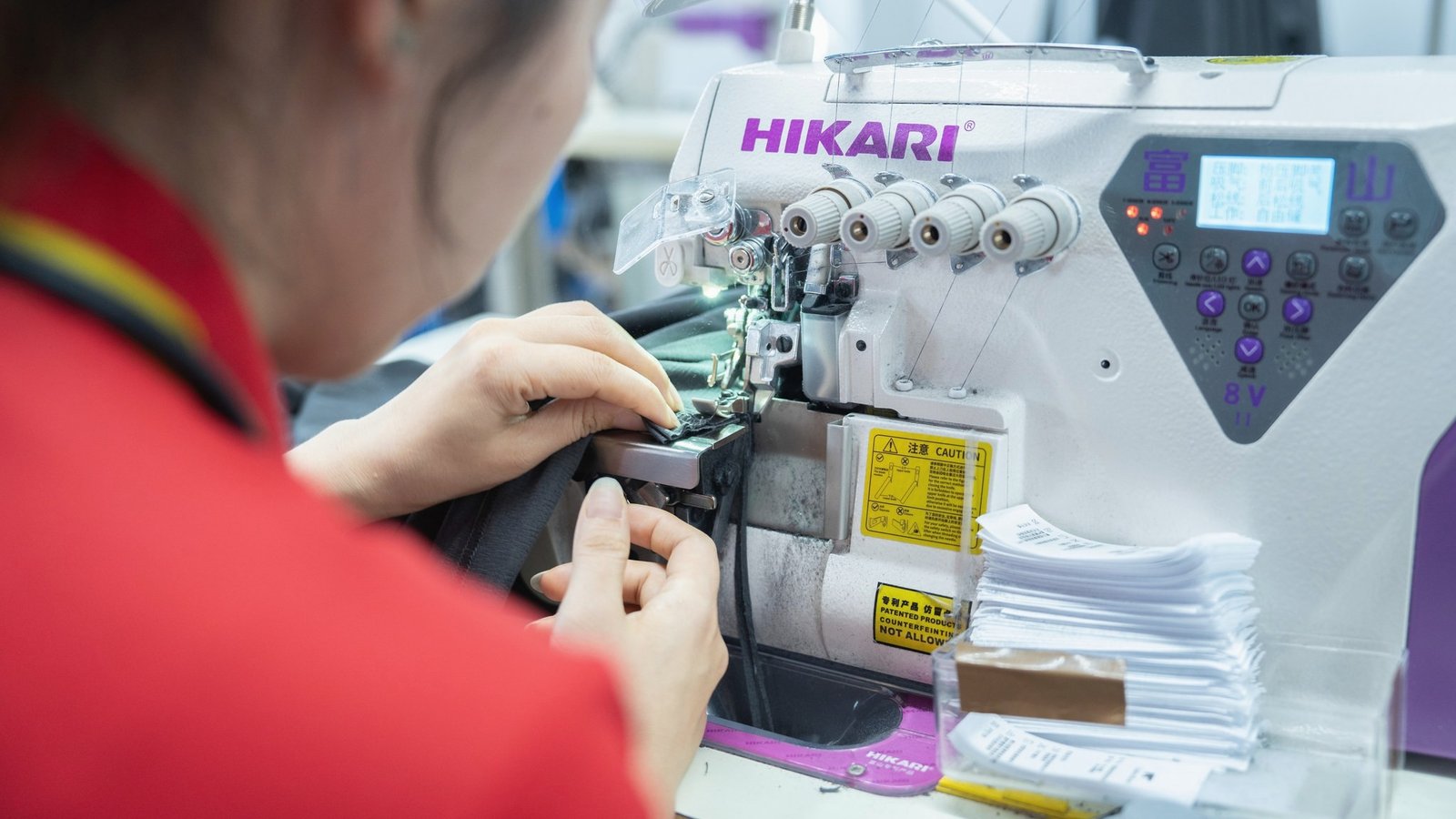
Most of the slippage is administrative, not technical. A round restarts when comments arrive without a marked-up photo, when a measurement is queried instead of changed, or when three people give three different opinions on the same collar. Consolidate feedback into one document per round with a decision per point, and give the factory a single contact. If your launch date is fixed, sample earlier than feels necessary and treat the first round as a draft — a brand that budgets two rounds and needs four loses three weeks at the worst possible moment.
How Much Does a Clothing Sample Cost?
Sampling is priced as skilled time and materials, which is why it scales with complexity rather than with quantity.
A simple tee sample typically runs USD 30 to 80, a hoodie or jacket USD 80 to 200, and heavily constructed or washed styles more, because each sample consumes pattern making, cutting, machine time and finishing labour that cannot be amortised across a run — most factories therefore charge per sample and credit part or all of it back against the bulk order.5
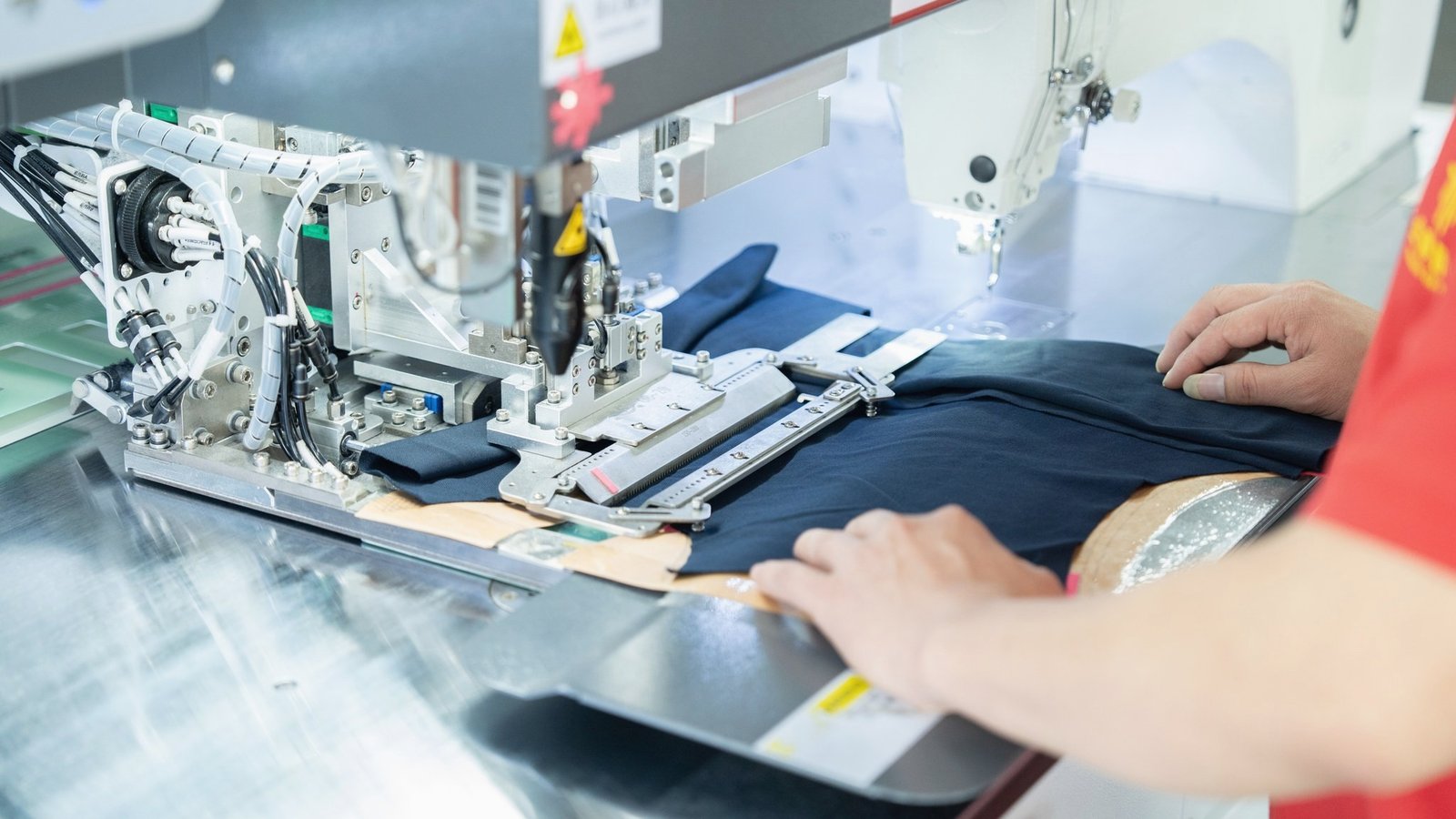
Three habits keep sampling cost down without lowering quality. First, do the design work before the first sample: changing the artwork mid-round is what turns a two-round project into five. Second, reuse the pattern across colourways and only sample the one that changes construction. Third, ask specifically whether sample fees are deductible from bulk, and get the answer in the quotation rather than in a conversation. On a first collection, a sampling budget of roughly USD 300 to 900 across 3 to 6 styles is a normal planning figure, and it is the cheapest insurance in the whole project.
What Should You Check Before You Approve a Sample?
Approval is a measurement exercise with a fit opinion attached, not a vibe check.
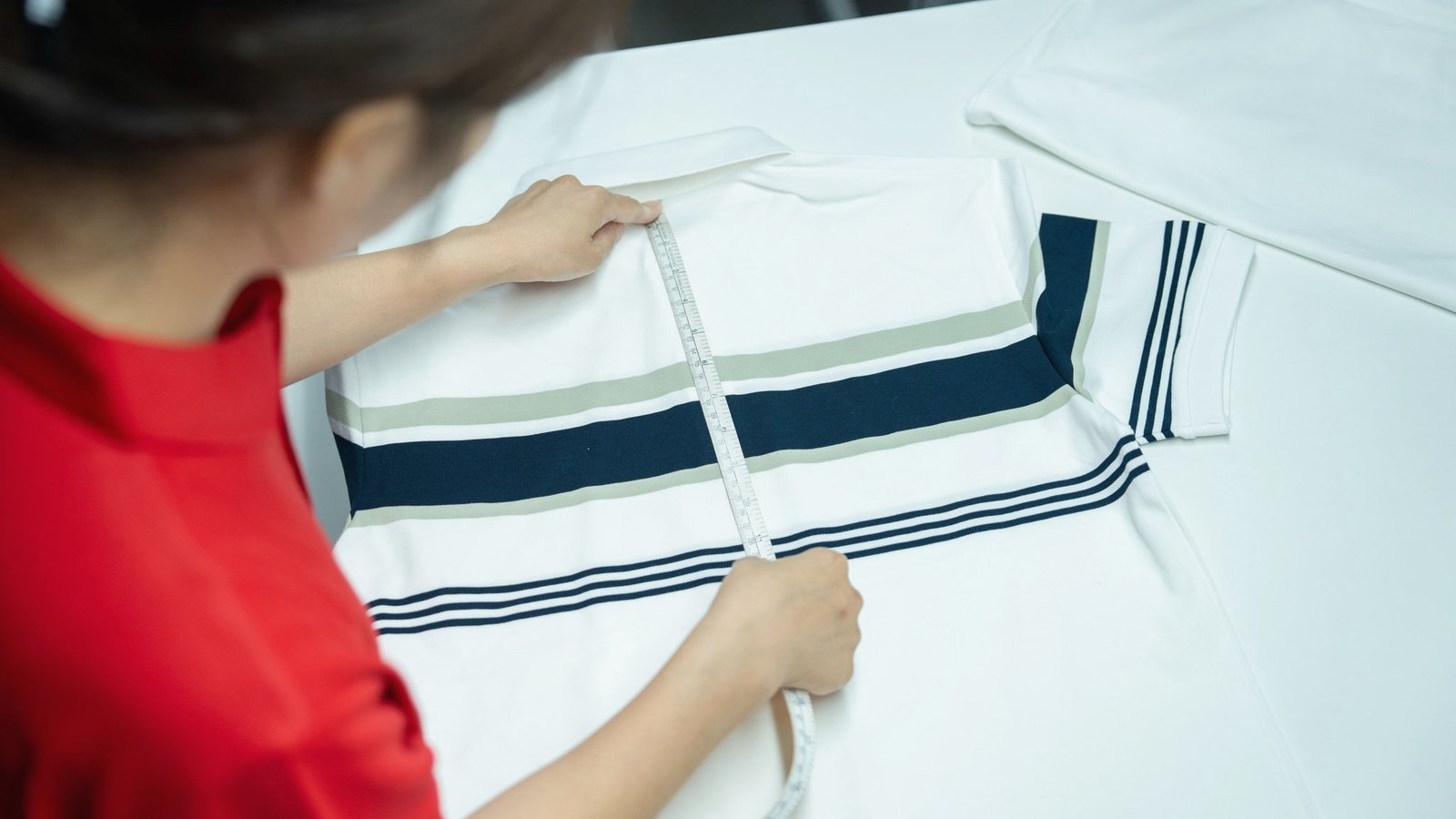
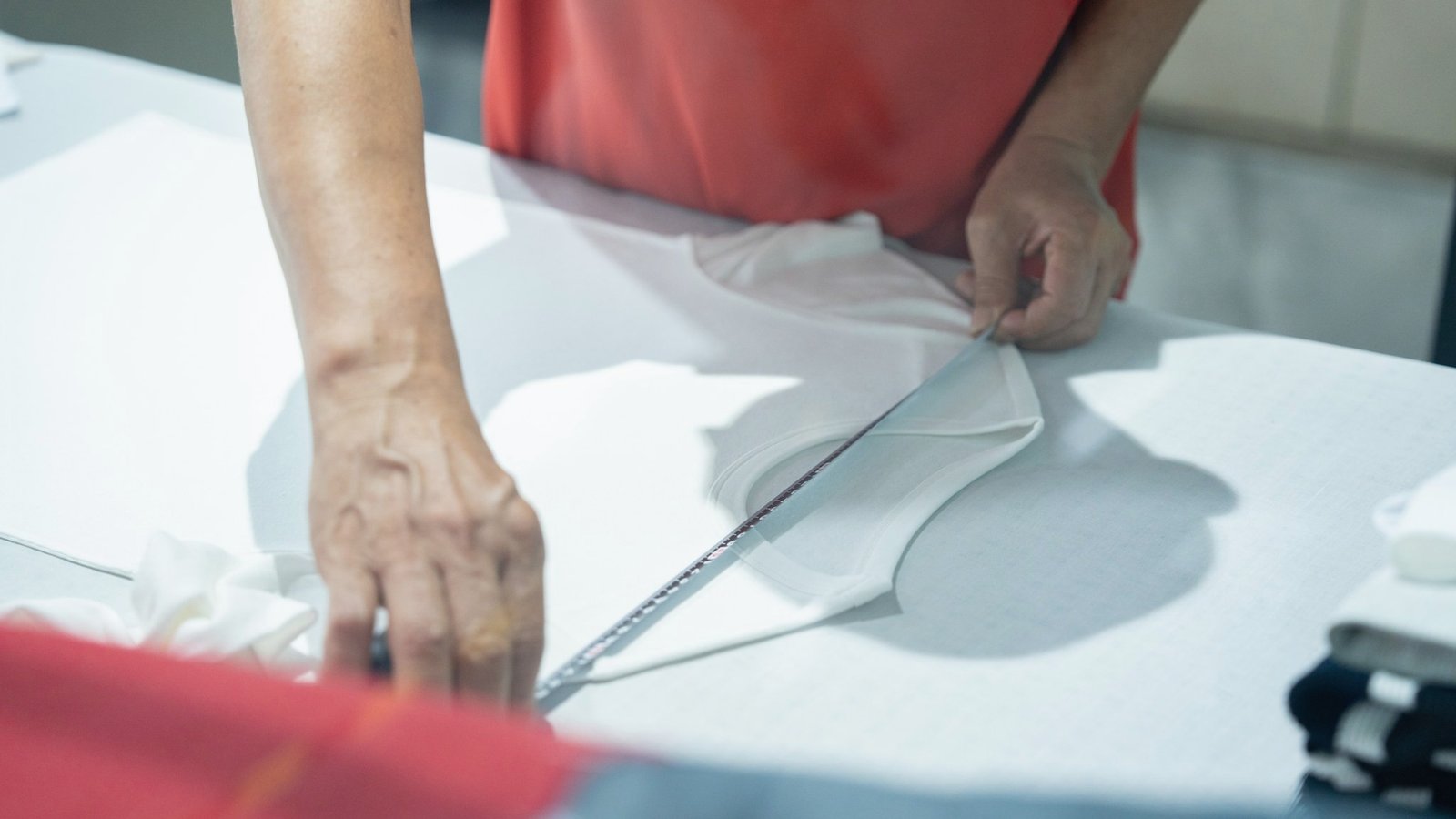
Approve a sample against a written measurement chart, size by size: measure the flat garment at the points your spec sheet defines, allow the stated tolerance, check that grading steps evenly across the size range, and confirm shrinkage after a wash test — a sample that fits but does not match its chart will produce bulk that fails inspection.6
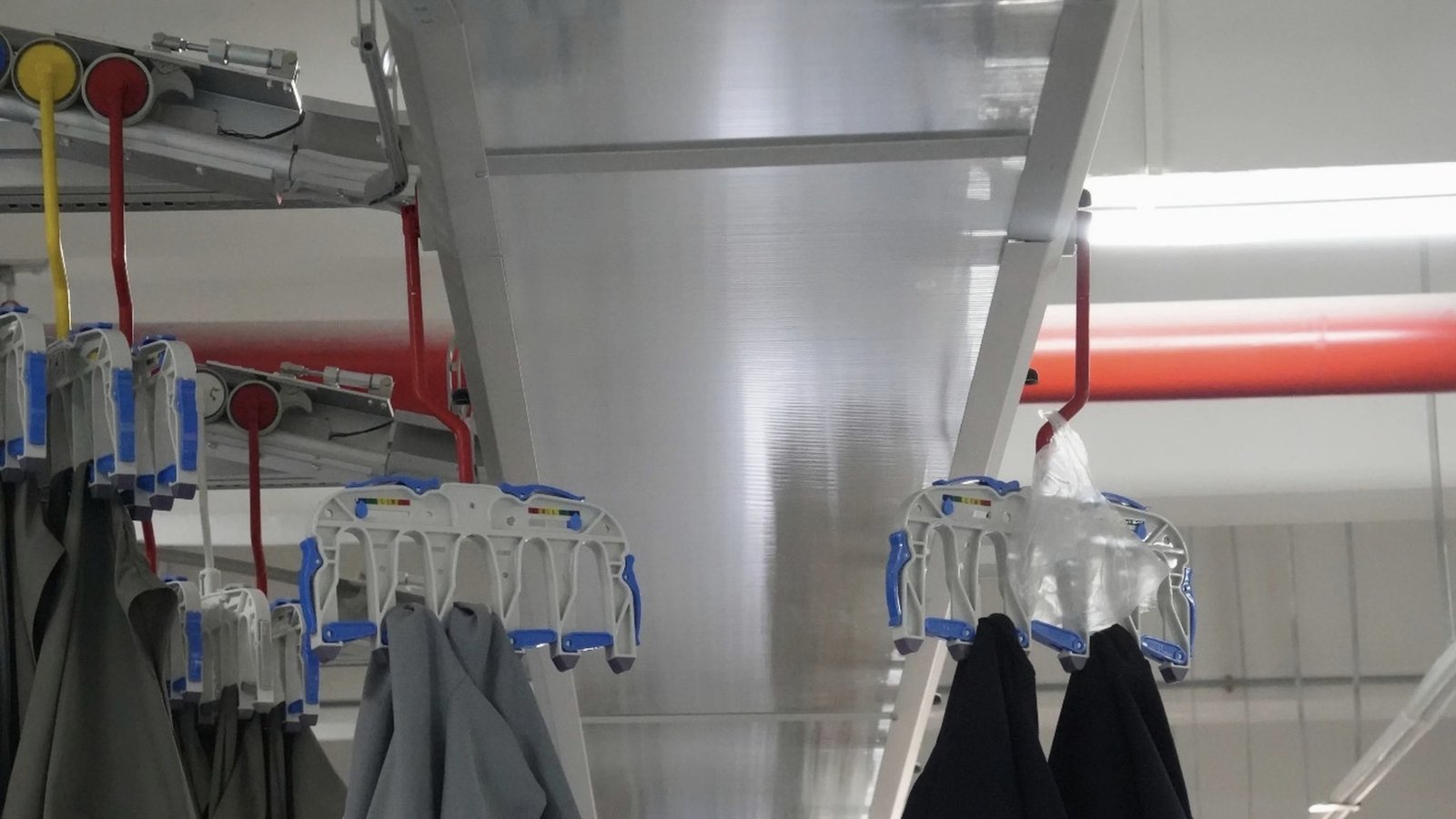
Then check the things the chart cannot capture: whether the neckline recovers after stretching, whether the print sits straight to the grain, whether the stitch density holds at the stress points, and whether the care label matches the fabric you actually used. Approve in writing, with the approved sample kept at the factory as the bulk reference. If something is acceptable but not ideal, say so explicitly rather than approving silently — a written "approved with note" is what protects both sides when the bulk inspection happens.
Conclusion
Sampling is not paperwork before the real work; it is the part of the work where mistakes are still cheap. Prove the pattern with a proto, correct the fit with a fit sample, test the grading with a size set, and sign the PP sample against a written chart — then bulk becomes execution instead of negotiation. If you want the sampling calendar and the sample-fee credit terms set out before you commit, talk to our sampling team or send your tech pack through the contact page, and read our guide on how to send a tech pack before the first round starts.
"Prototype", https://en.wikipedia.org/wiki/Prototype. Describes prototyping as an early, tangible model of a product built to test and iterate a design before full commitment, including the practice of successive revisions informed by testing each version. Evidence role: general_support; source type: encyclopedia. Supports: the framing of garment sampling as an iterative proto-and-correct loop rather than a single approval event. Scope note: general engineering and design context; it does not define apparel sample types, round counts or lead times. ↩
"Pattern (sewing)", https://en.wikipedia.org/wiki/Pattern_(sewing). Explains how a sewing pattern is derived from body measurements or an existing garment and used to cut the pieces that become a finished garment, including the role of test garments and pattern adjustment. Evidence role: general_support; source type: encyclopedia. Supports: the point that a sample is the physical output of a pattern and the primary way pattern errors are found before cutting bulk. Scope note: pattern-making fundamentals; it does not cover factory sampling workflows, costing or commercial approval terms. ↩
"Clothing terminology", https://en.wikipedia.org/wiki/Clothing_terminology. A glossary of garment and manufacturing terms covering pattern pieces, construction details, fit and the vocabulary used to describe samples and finished clothing. Evidence role: general_support; source type: encyclopedia. Supports: the use of a shared terminology when specifying sample stages and construction details with a factory. Scope note: terminology reference only; the specific stage names and sequence vary by factory and buyer, and should be confirmed in the order documentation. ↩
"Clothing industry", https://en.wikipedia.org/wiki/Clothing_industry. Overview of the global garment sector, describing how apparel production is organised across design, material sourcing, cutting, sewing and finishing stages, and why those stages are sequenced. Evidence role: general_support; source type: encyclopedia. Supports: the sequencing of design and pre-production work ahead of cutting and sewing, which is where sample rounds sit in the calendar. Scope note: industry-level description; it does not publish lead-time benchmarks, and the day counts here reflect typical factory practice rather than a cited standard. ↩
"Sewing", https://en.wikipedia.org/wiki/Sewing. Covers the techniques and stitch types used to join and finish fabric, including the hand and machine operations that determine how long a garment takes to construct. Evidence role: general_support; source type: encyclopedia. Supports: the explanation that sample cost tracks construction complexity and skilled machine time rather than fabric quantity. Scope note: craft and technique overview; it does not state sample pricing, which is quoted per factory and per style. ↩
"Clothing sizes", https://en.wikipedia.org/wiki/Clothing_sizes. Explains how garment sizes are defined by body measurements and expressed as labelled size systems, and why sizing conventions differ between markets and brands. Evidence role: general_support; source type: encyclopedia. Supports: the requirement to approve a sample against explicit measurements and a defined size range instead of a single try-on impression. Scope note: sizing systems and standards overview; it does not provide grading rules or tolerance values, which are set per brand spec sheet. ↩
Ready to make this for your brand?
Adiwe manufactures custom T-shirts, hoodies, jackets, pants, shorts and shirts for brands worldwide — from 100 pcs per style and colour, with private labelling, three-stage QC and a physical sample you approve before bulk.
Custom Hoodie ManufacturingCustom T-Shirt Manufacturing