A founder sends four phone photos, a Pinterest link and the line "make this in black, oversized" — then waits three weeks for a price that never arrives. The factory is not ignoring them. It genuinely cannot quote, because it does not know the fabric weight, the chest measurement, the seam type on the hem or whether the artwork is screen printed or embroidered. Every one of those blanks is a question the factory has to ask, and a small order with twenty open questions is the order that slides to the bottom of the inbox.
A tech pack is the single, versioned document package that tells a clothing manufacturer exactly what to make: technical flat drawings, a bill of materials, a point-of-measure table with size grading, colour and Pantone references, construction and stitch details, trim and label specs, packaging and print-ready artwork — all sent together so the factory can quote and sample without guessing.1
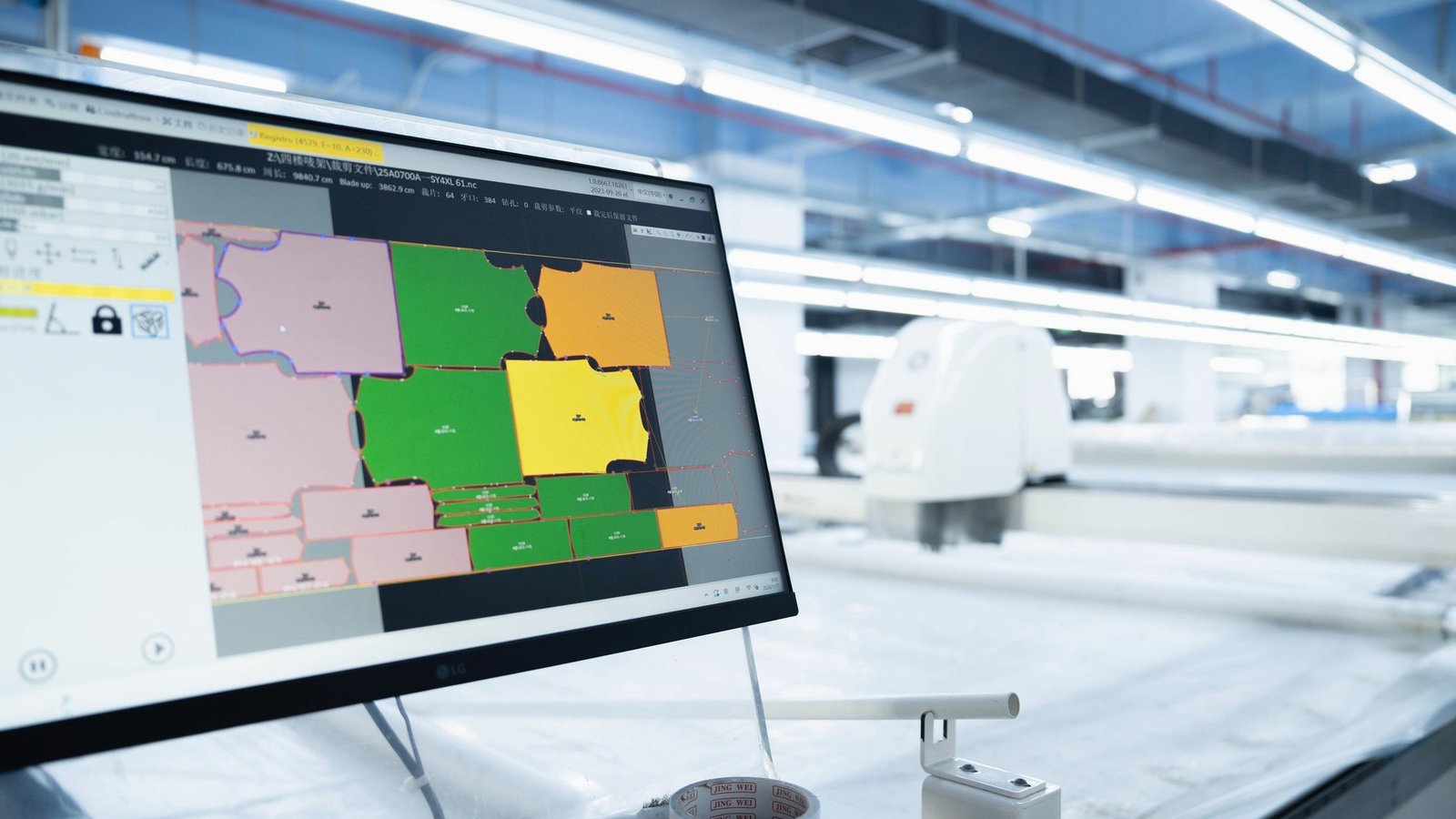
The frustrating part is that a complete tech pack takes a first-time founder about a day to assemble, and an incomplete one costs two to three weeks of email ping-pong plus a sample round that has to be thrown away. This guide covers what goes in the pack, how detailed each part needs to be, and how to send it so the factory reads it once and starts cutting.
What should a tech pack contain before you send it to a factory?
Think of the pack as the answer sheet to every question a sampling room will ask in the first 48 hours.
A workable tech pack has seven parts: a cover page with style number and version, technical flats for front, back and any detail views, a bill of materials listing every fabric, trim, thread and label with supplier and placement, a point-of-measure table in centimetres and inches, colour standards with Pantone references, construction notes with stitch and seam types, and packaging plus artwork files — the bill of materials alone prevents most substitution and shortage problems later.2

The cover page matters more than it looks. Put the style name, your brand, a version number such as v1.0, the date and your contact details on it, then save every later revision as v1.1 rather than overwriting the file. Factories quote from whatever file is in their downloads folder, so a clear version trail is what stops a sample being made to last month's measurements. If you already have a pattern maker, attach the pattern file or a graded nest; if not, say so explicitly, because pattern development is a separate line item in most quotes and hiding it only delays the price. Our custom clothing manufacturer team reads packs in this exact order, so anything missing gets flagged in the first reply instead of after sampling.
How detailed do the technical drawings and construction callouts need to be?
Flats are not fashion illustrations. They are working drawings that a pattern maker and a line supervisor will both read.
Technical flats should be drawn flat, to scale, in black line art with no shading or croquis figure, showing front and back plus every detail view that changes construction — collar, cuff, pocket, hem, side slit, drawcord exit — and each callout should name the operation and where it sits, because a dimensioned drawing removes ambiguity that words alone leave open.3
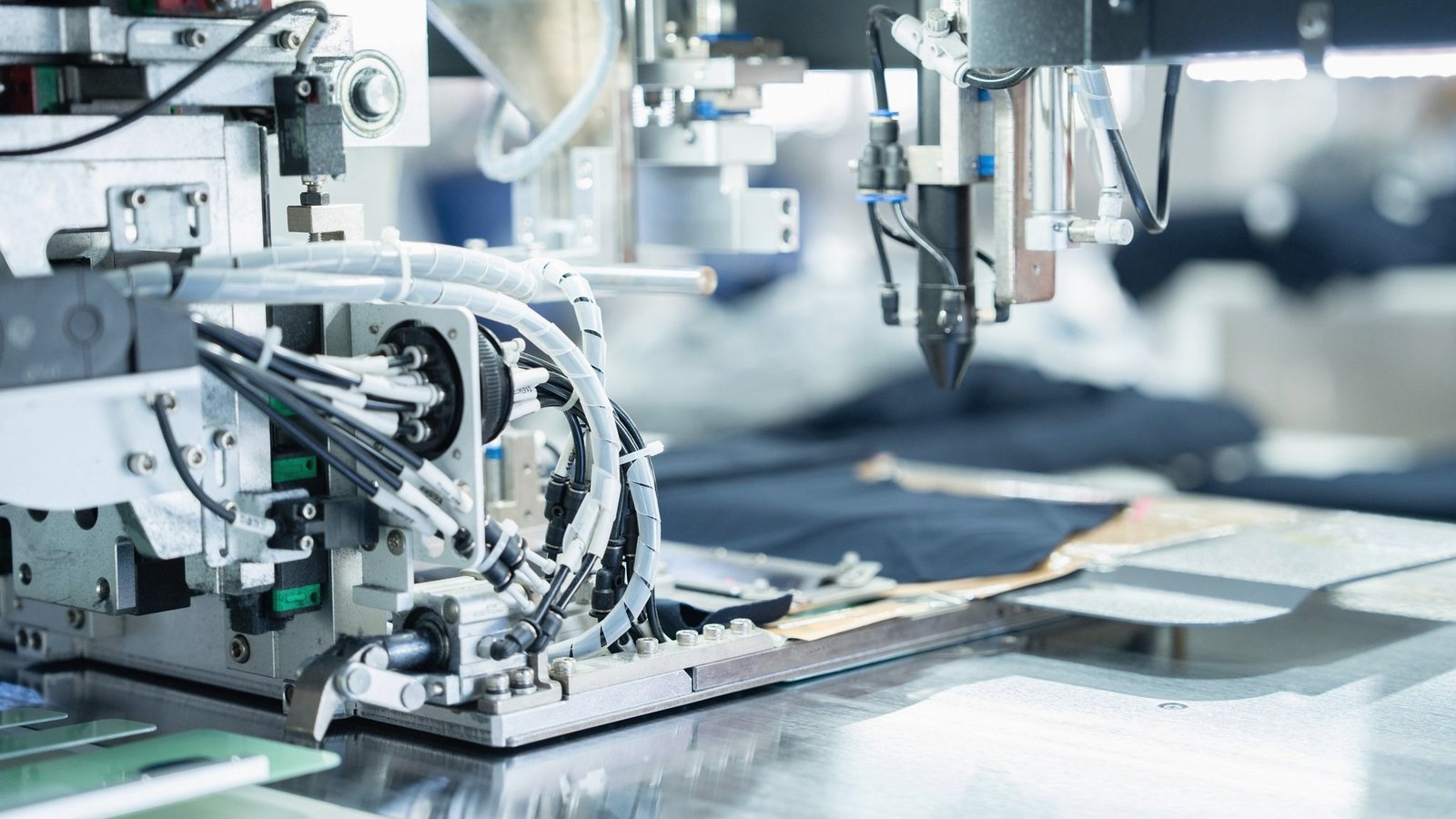
Name operations the way the factory names them: single needle, double needle, flatlock, coverstitch, overlock four-thread, taped neck seam, twin needle hem. Note stitch density where it matters, since 10–12 stitches per inch on a jersey hem behaves very differently from 8. Mark topstitching distance in millimetres from the edge. State the seam allowance you expect, because a 1 cm allowance versus a 6 mm allowance changes the finished chest measurement and the factory will otherwise use its own house default. If a detail is a copy of an existing garment, the fastest and most reliable move is to send that physical sample along with the drawing — a reference garment in the factory's hands beats a paragraph of description every time.
Which measurements and size grading should you include?
This is the section that decides whether your size medium is the same as everyone else's size medium.
Include a point-of-measure table covering every dimension you care about — chest, body length, shoulder, sleeve length, neck opening, hem width, cuff opening — with the base size specified, tolerances of roughly ±0.5 to 1 cm stated, and a clear instruction on whether the factory should grade from your base size or follow your full graded set.4
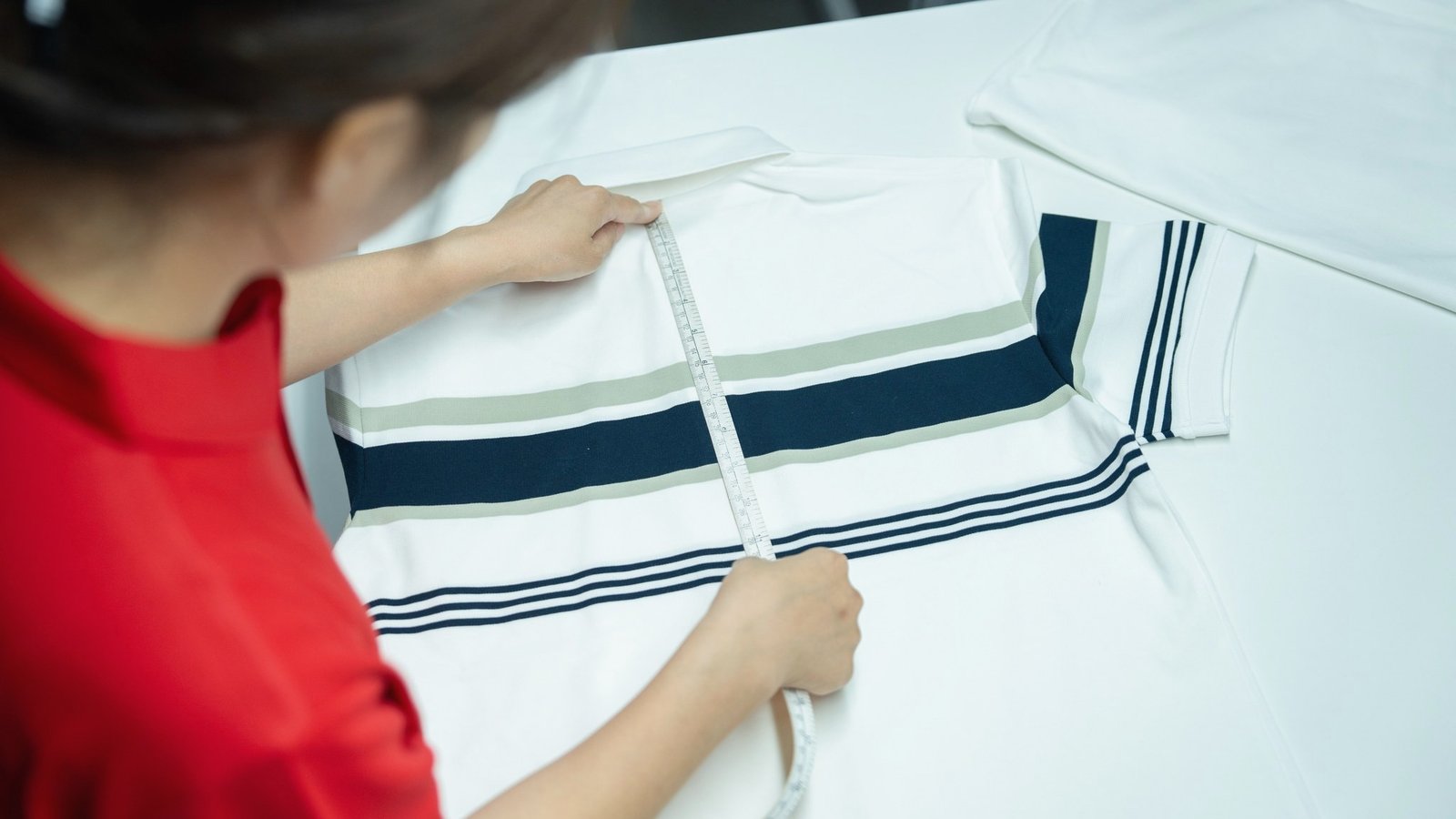
Grading is where small brands get burned quietly. If you send only a size medium spec and let the factory grade, you inherit its grade rules, which may add 5 cm to the chest per size when your customer expects 4 cm — and the large is suddenly a different silhouette. Either supply your own graded table across the full size run, or ask the factory what grade rule it uses and approve it in writing before sampling. Also specify how the garment is measured: laid flat, buttoned or unbuttoned, across the chest 2.5 cm below the armhole. Two people measuring the same tee flat versus stretched can differ by 3 cm, which is the difference between a pass and a rejection at inspection. For oversized fits, add a note that the drop shoulder is intentional, otherwise a conscientious QC team will flag it as a pattern error.
How do you specify fabric, colour and trims so nothing gets substituted?
Vague material language is the most common reason a sample comes back feeling cheaper than the reference garment.
Specify fabric by composition, construction, weight in GSM and finish — for example 100% cotton single jersey, 240 GSM, piece-dyed, silicone-washed — and specify colour with a Pantone TCX reference plus a physical swatch, since Pantone is a standardised colour language that both you and the mill can point at when a dye lot looks off.5
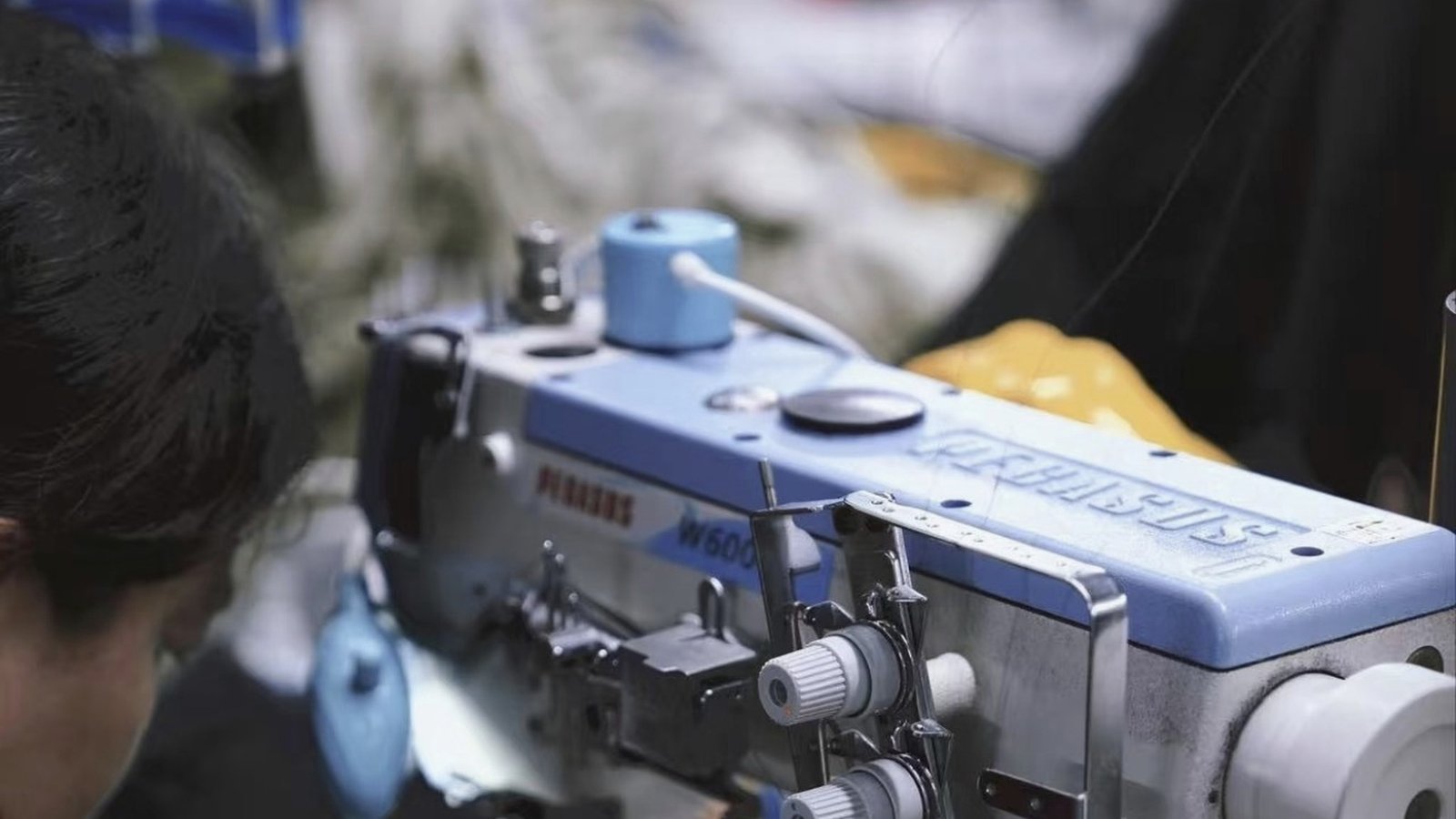
Screen colour is not a colour standard. A hex code on a monitor will drift between devices and means nothing to a dye house, so send a physical swatch by courier and keep a duplicate in your own file. For prints, supply vector artwork at final size with the repeat and placement marked, plus the Pantone numbers for each colourway. Trims deserve the same treatment: thread tex and colour, zipper type and length, drawcord width and metal or plastic tipping, eyelet finish, interlining weight for a structured collar. Labels are the detail most often forgotten — state woven or printed, the exact wording, care content, country of origin and where each label sits. Spell out what may be substituted and what may not, in writing: many factories will swap a trim for an in-stock equivalent to protect a delivery date, which is helpful when you authorised it and infuriating when you did not.
How should you send the tech pack, and what happens after you send it?
Sending is a logistics step, not a formality. The pack needs to arrive complete, in one place, and in a format the sampling room can actually open.
Send one PDF pack plus separate editable artwork files through a single link or email with the version number in the subject line, ask the factory to confirm receipt and list open questions within two to three working days, then close the loop by approving a sealed sample that becomes the bulk production standard and agreeing an inspection level such as AQL 2.5 before the first cut.6
Keep the PDF under about 20 MB, embed the fonts, and name the file with the style number and version so nobody works from the wrong copy. Ask for a cost breakdown rather than a single number — fabric, cut and sew, printing, trims, sampling, packaging — so you can see what changing a fabric weight would actually do to the price. When the sample arrives, measure it against your own point-of-measure table instead of eyeballing it, note comments against the exact page and field, and expect two to three sample rounds for a new silhouette. Then sign off: a dated, sealed, signed sample in the factory's sample room is the only thing that makes a rejection conversation factual. If you would rather skip the trial and error, send your tech pack to our team and we will come back with a costed quote, a sampling timeline and a list of anything still missing.
Conclusion
A tech pack is not paperwork for its own sake — it is the difference between a factory quoting you in three days and a factory asking you the same six questions for three weeks. Flats that a pattern maker can follow, a bill of materials that names every component, a measurement table with stated tolerances, Pantone references backed by physical swatches, and a construction section that uses real stitch names will get you a price and a sample that match what you imagined. Send it as one versioned package, ask for the open questions in writing, and lock the approved sample as your standard. If you are assembling your first pack, our custom t-shirt manufacturing and full-package production teams can review a draft before you send it to anyone.
"Specification (technical standard)", https://en.wikipedia.org/wiki/Specification_(technical_standard). Describes a specification as an explicit set of documented requirements to be satisfied by a material, product or process, and notes that specifications allow materials to be compared and verified against a stated standard. Evidence role: general_support; source type: encyclopedia. Supports: the answer-first definition of a tech pack as a documented, verifiable requirement set rather than a set of photos. Scope note: generic engineering framing; it does not enumerate apparel-specific fields such as point-of-measure tables or trim placement. ↩
"Bill of materials", https://en.wikipedia.org/wiki/Bill_of_materials. Explains a bill of materials as a comprehensive list of the parts, materials and quantities required to manufacture an end product, and describes how it is used for costing and procurement. Evidence role: general_support; source type: encyclopedia. Supports: the claim that a BOM is a core tech pack section and that it drives costing, sourcing and substitution risk. Scope note: written around manufactured assemblies generally; apparel versions also carry placement, colourway and label-position data not covered here. ↩
"Technical drawing", https://en.wikipedia.org/wiki/Technical_drawing. Describes technical drawing as a precise, standardised way of communicating the geometry and dimensions of an object so it can be manufactured by someone who did not design it, including the use of views, dimensions and annotations. Evidence role: general_support; source type: encyclopedia. Supports: the argument that flats must be dimensioned, multi-view line drawings with explicit callouts rather than illustrations. Scope note: covers drafting conventions in engineering; apparel flats borrow the logic but use garment-specific symbols and seam terminology. ↩
"Pattern grading", https://en.wikipedia.org/wiki/Pattern_grading. Explains grading as the process of systematically increasing or decreasing a base pattern to produce a range of sizes, and notes that grade rules determine how each measurement changes between sizes. Evidence role: general_support; source type: encyclopedia. Supports: the recommendation to supply or explicitly approve grade rules and to define measurement points before sampling. Scope note: describes the technique rather than commercial tolerance practice; the ±0.5–1 cm tolerance range reflects common factory practice, not this source. ↩
"Pantone", https://en.wikipedia.org/wiki/Pantone. Describes the Pantone Matching System as a standardised colour reference system in which each colour is identified by a code, allowing designers, mills and manufacturers to specify and match colour across separate locations. Evidence role: general_support; source type: encyclopedia. Supports: the instruction to specify colour by Pantone reference plus a physical swatch instead of screen values. Scope note: colour reproduction still varies by substrate, dye lot and lighting; the article does not address textile dyeing tolerances or lab-dip approval. ↩
"Quality control", https://en.wikipedia.org/wiki/Quality_control. Describes quality control as the process of reviewing and testing outputs against requirements, including inspection sampling and the use of agreed standards to decide acceptance. Evidence role: general_support; source type: encyclopedia. Supports: the advice to approve a sealed sample as the production standard and to agree an inspection level before bulk cutting. Scope note: broad industrial overview; it does not define AQL tables, defect classes or garment-specific inspection points. ↩
Ready to make this for your brand?
Adiwe manufactures custom T-shirts, hoodies, jackets, pants, shorts and shirts for brands worldwide — from 100 pcs per style and colour, with private labelling, three-stage QC and a physical sample you approve before bulk.
Custom Hoodie ManufacturingCustom T-Shirt Manufacturing