A founder sends the same reference photos to three factories and gets three very different replies. One asks for a tech pack and a pattern. One sends a catalogue and asks which colourway they want. One offers both, at two different prices. All three are legitimate suppliers, but only two of them are describing OEM and ODM — and picking the wrong model for your first drop is how brands end up paying for development they do not own, or launching a product three other labels already sell.
OEM (original equipment manufacturing) means the factory produces garments to a design, pattern and specification that you own and supply, while ODM (original design manufacturing) means the factory has already developed the design and you buy it, usually with your label and colourways added, so the product exists before you do.1
The distinction sounds administrative. In practice it decides who owns the pattern, who carries the development cost, how low your minimum can go, and whether a competitor can order the identical hoodie next month. Both models are used by serious brands; most start on one and migrate.
What is the difference between OEM and ODM in clothing manufacturing?
The two terms get used loosely in supplier emails, so it is worth pinning down what each one actually buys.
In OEM, you bring the design: the factory cuts, sews, finishes and packs to your pattern, fabric choice, measurements and trim list, and generally cannot sell that garment to anyone else. In ODM, the factory brings the design: it has already sampled, graded and costed the style, and you select it from a range, then customise colour, fabric within its existing options, labels and packaging.2
A quick way to tell them apart in a conversation: ask who made the pattern. If the factory drafted and graded the block and offers it to every buyer, it is ODM, even if they change the colour and sew in your woven label. If the pattern was drafted for you — or adapted from your existing block with your measurement spec — it is OEM, even when the factory also helped you refine it. Everything else downstream, from cost to exclusivity, follows that single question of ownership.
Who owns the design and the pattern in each model?
Ownership is the part founders most often assume rather than confirm, and it is the part that decides whether the product is defensible.
In OEM the buyer owns the pattern, the grade rules and the artwork, and should hold those files or at least a written licence to them; in ODM the pattern, block and tech pack stay with the factory, and what you own is your brand, your label and the right to sell the finished garment — not the design itself.3
The pattern is the silhouette. It is the shoulder drop, the body width, the armhole curve and the hem that make a 240 gsm boxy tee read as streetwear rather than as a blank. If the factory holds it, the factory can sell the same shape to the label next door, and your only differentiator becomes the graphic and the marketing. If you hold it, you can move production, re-quote, fix a fit problem and keep the product identical. Whatever model you choose, get the answer in writing: who holds the pattern files, can they be transferred, and will the factory abstain from producing the same style for others in your market. Verbal assurances are worth very little once a style starts selling.
Is OEM or ODM cheaper for a clothing brand?
ODM almost always wins the first quote, and the gap is real — but it is not free money.
ODM is cheaper per unit at low volumes because the development cost has already been absorbed and spread across many buyers of the same style, so you pay only for making and branding it. OEM carries pattern development, sample rounds, fabric minimums and trim tooling as upfront costs, which makes it more expensive on a first run but cheaper per unit once volume amortises that development.4
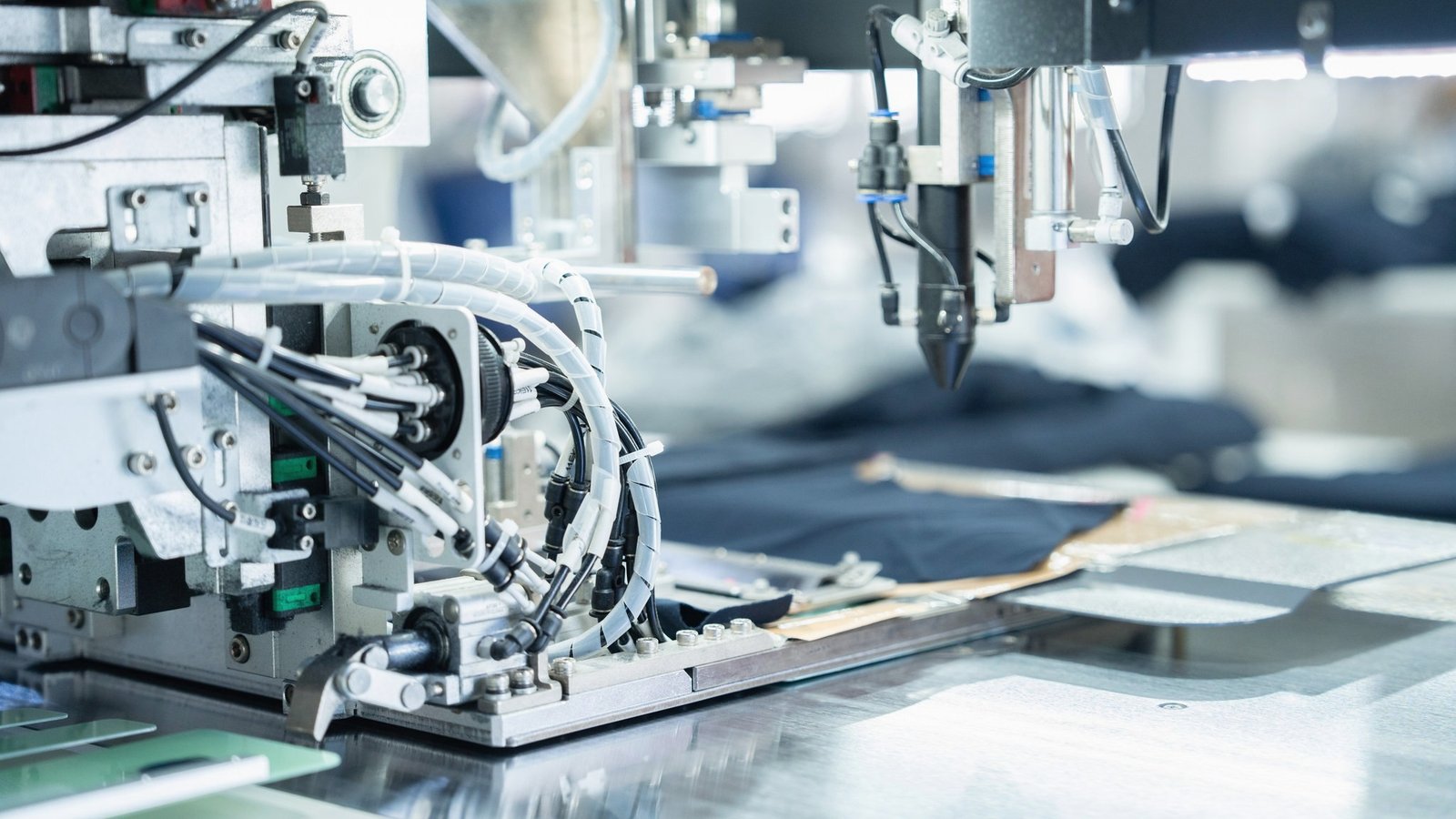
Break an OEM quote into lines and the premium becomes legible: pattern making and grading, two or three sample rounds with fit corrections, a dye lot at the mill's minimum, custom drawcords, woven labels and print screens, plus inspection. At a hundred pieces those costs dominate the unit price. At eight hundred they thin out, and a well-negotiated OEM program often lands close to ODM pricing with a fit nobody else has. The trap is treating the ODM saving as profit when part of it is really the price of being interchangeable. Our breakdown of manufacturing for DTC brands lists the development line items so you can compare quotes like for like.
How do MOQ and lead time compare between OEM and ODM?
For a first drop, calendar and minimum order usually decide the model before price does.
ODM MOQs are set by the factory's existing production runs and stock fabric, so orders can start around 50 to 100 pieces per style and ship in two to four weeks; OEM MOQs are set by fabric knitting and dyeing minimums and by cutting efficiency, typically a few hundred pieces per colour, with sampling adding two to four weeks before bulk production even begins.5
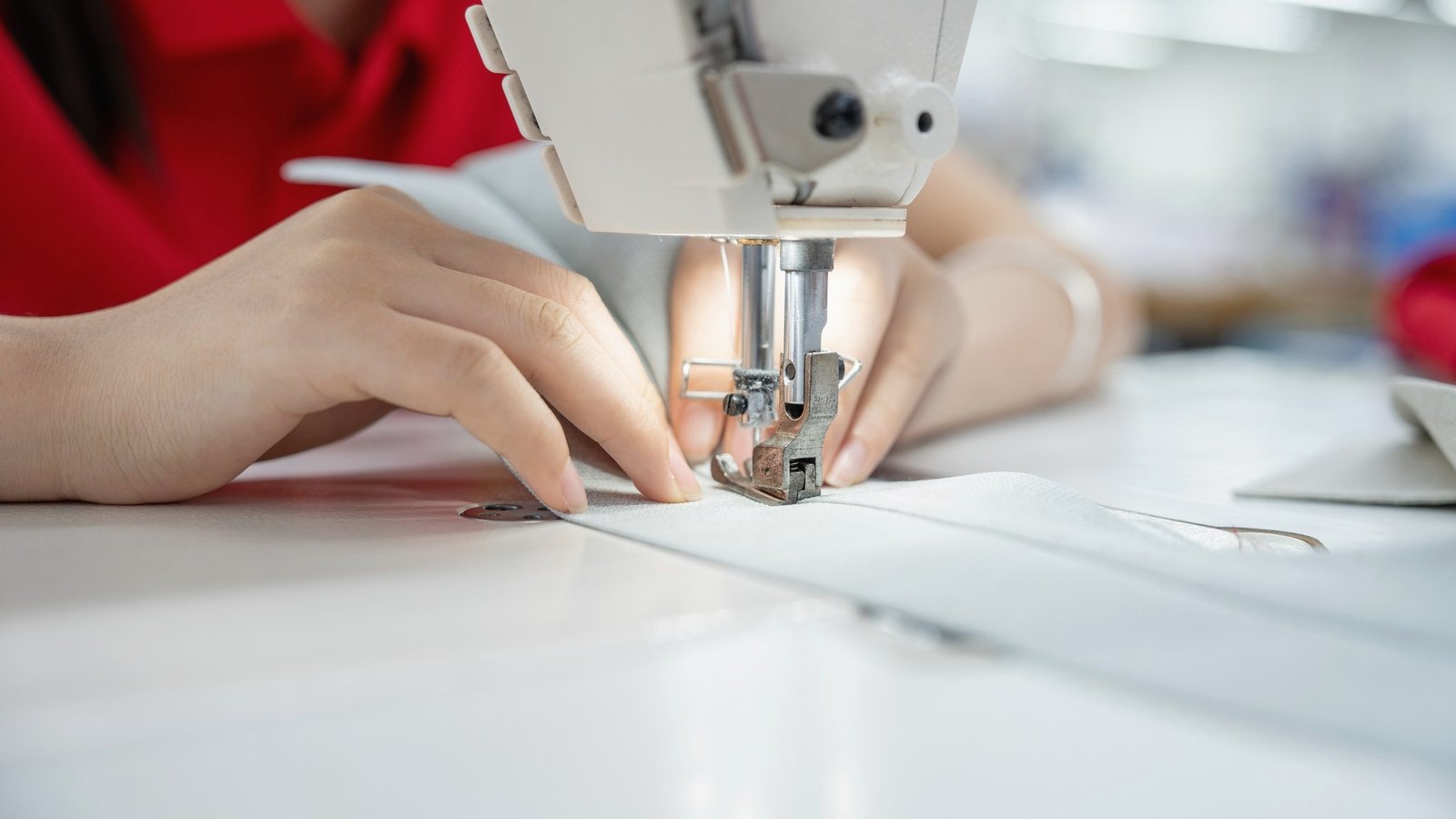
The binding constraint in OEM is rarely the sewing floor — most factories can cut small if they want to. It is the mill. A custom colour in a custom weight often starts at several hundred metres, and several hundred metres becomes several hundred garments. Stock fabric removes that constraint and can cut weeks out of the calendar, which is why OEM factories will often quote you two prices: your own fabric development, or a stock quality closest to it. Ask for both, and ask what the fabric lead time is separately from the sewing lead time, because that is where optimistic schedules usually break.
Which model should a streetwear brand choose?
The decision is less about which model is more professional and more about what this specific product has to prove.
Choose ODM to test demand fast, fill basics and accessories, keep cash free and hit a fixed launch date; choose OEM when the fit, fabric or construction is the reason someone buys — a signature oversized block, a heavyweight loopback, a proprietary wash — because those cannot be bought off a catalogue.6
Most growing labels end up hybrid, and that is a rational structure rather than a compromise: ODM for the pieces where the graphic carries the product, OEM for the two or three hero silhouettes that define the collection. Keep one thing consistent — the labels, the packaging and the fit language — so a cheaper piece and an expensive piece still feel like the same brand. And before you commit, run the same five checks on either model: pattern and artwork ownership in writing, an approved sealed sample as the bulk standard, fabric composition and weight on paper with a test report, an agreed AQL inspection level, and a reorder clause covering price validity and lead time. If you want OEM and ODM quoted side by side against the same tech pack, our custom clothing manufacturer team does exactly that.
Conclusion
OEM buys you a product that is yours — your pattern, your fit, your IP — at the cost of development time and a higher minimum. ODM buys you speed and a low entry price on a design that already exists, and the same design is available to everyone else. Neither is the amateur choice; the amateur move is signing a deposit without knowing which one you are paying for. If you are deciding between them for an upcoming drop, send us your designs and target quantities and we will tell you which route your product actually needs.
"Original equipment manufacturer", https://en.wikipedia.org/wiki/Original_equipment_manufacturer. Defines OEM as a company that produces parts or products to the specification of another company, which then sells the finished goods under its own brand. Evidence role: general_support; source type: encyclopedia. Supports: the answer-first definition of OEM as buyer-specified production under the buyer's brand. Scope note: written mainly around electronics and automotive supply chains; the apparel application is analogous rather than garment-specific. ↩
"Original design manufacturer", https://en.wikipedia.org/wiki/Original_design_manufacturer. Explains ODM as a manufacturer that designs and builds the product itself, with the buyer branding and reselling it, and contrasts this with buyer-designed OEM arrangements. Evidence role: general_support; source type: encyclopedia. Supports: the section distinction between factory-owned design and buyer-owned design. Scope note: generic industrial overview with no apparel-specific detail on blocks, grading or trim customisation. ↩
"Pattern (sewing)", https://en.wikipedia.org/wiki/Pattern_(sewing). Describes sewing patterns as the drafted templates from which fabric is cut, including how a pattern determines the shape and fit of a garment before construction begins. Evidence role: general_support; source type: encyclopedia. Supports: the argument that the pattern is the asset defining silhouette and fit, and therefore the thing ownership turns on. Scope note: explains pattern making and grading in general; does not cover commercial ownership clauses or factory exclusivity terms. ↩
"Private label", https://en.wikipedia.org/wiki/Private_label. Describes private label goods as products manufactured by one company and sold under another company's brand, and explains the margin logic of sourcing existing production instead of funding development. Evidence role: general_support; source type: encyclopedia. Supports: the claim that using a pre-developed product avoids development cost and is cheaper at low volume. Scope note: retail-category overview; provides no unit costs, sample budgets or volume break-even figures for apparel. ↩
"Clothing industry", https://en.wikipedia.org/wiki/Clothing_industry. Outlines the structure of apparel production, from fibre and fabric supply through cutting, sewing and finishing, and notes how orders are organised around fabric availability and production runs. Evidence role: general_support; source type: encyclopedia. Supports: the explanation that fabric supply and production runs, not sewing capacity alone, drive minimum order quantities and lead times. Scope note: industry-level description; contains no supplier-specific MOQ bands or lead-time benchmarks. ↩
"Contract manufacturer", https://en.wikipedia.org/wiki/Contract_manufacturer. Defines contract manufacturing as production carried out by a third party under the buyer's specification and brand, and describes the commercial relationship behind outsourced manufacturing. Evidence role: general_support; source type: encyclopedia. Supports: the framing of OEM as buyer-specified contract production and the recommendation to define specification, ownership and inspection terms before committing. Scope note: broad manufacturing overview; does not address streetwear fit development, AQL tables or reorder pricing clauses. ↩
Ready to make this for your brand?
Adiwe manufactures custom T-shirts, hoodies, jackets, pants, shorts and shirts for brands worldwide — from 100 pcs per style and colour, with private labelling, three-stage QC and a physical sample you approve before bulk.
Custom Hoodie ManufacturingCustom T-Shirt Manufacturing