Picking the wrong clothing manufacturer costs a streetwear brand far more than money — it costs momentum. Late samples, inconsistent sizing and vague quotes can stall a drop before it ever ships, so the decision deserves a real process rather than a gut call.
Choosing a clothing manufacturer for your streetwear brand comes down to five checks: capability, vetting, MOQ and sampling terms, quality and compliance, and the true total cost — not just the lowest quote.1
Work through the five checks below in order and you can shortlist factories, compare them on equal terms, and place a first order with confidence.
What should you look for in a streetwear clothing manufacturer?
Start with capability, not price.
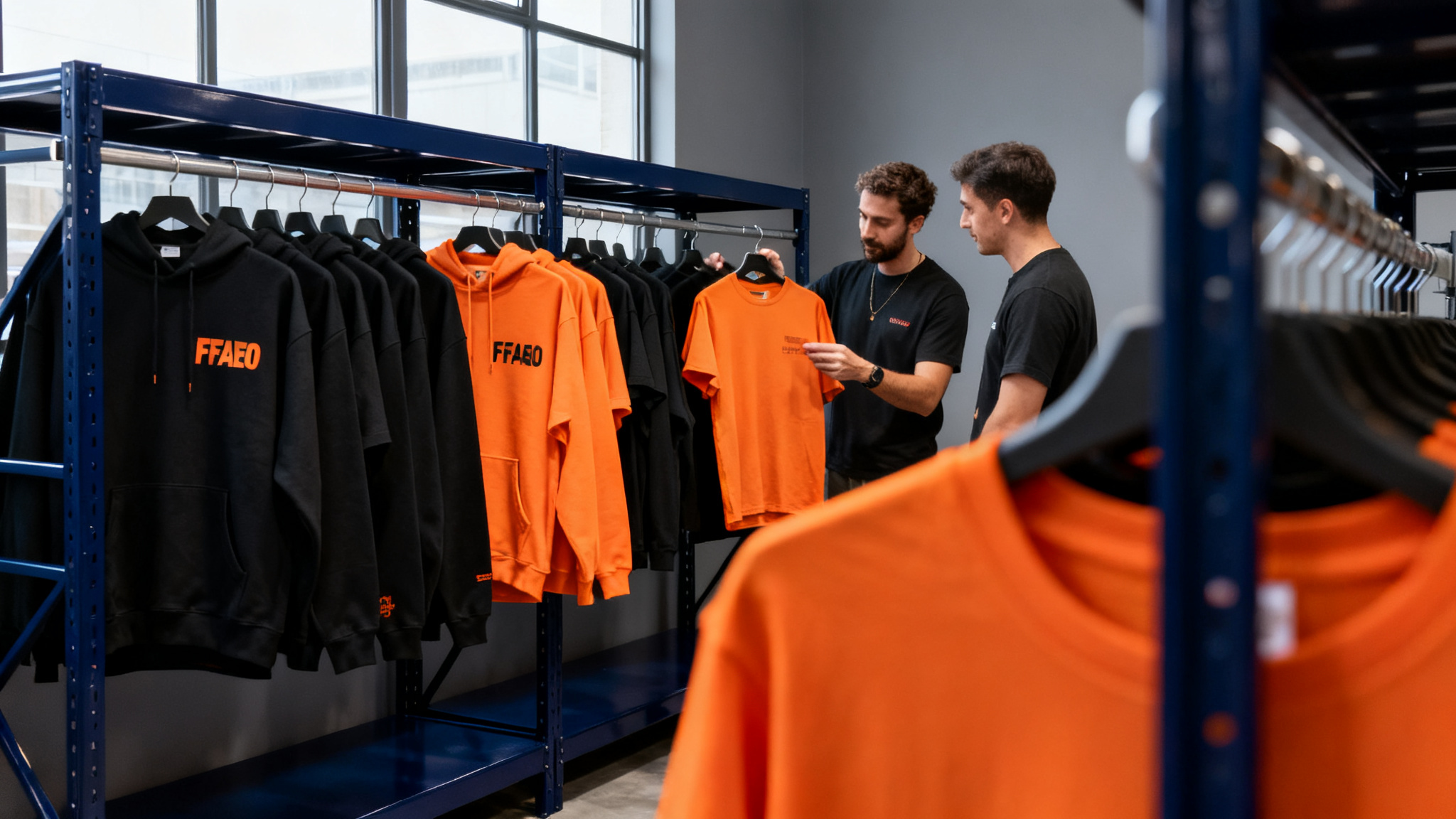
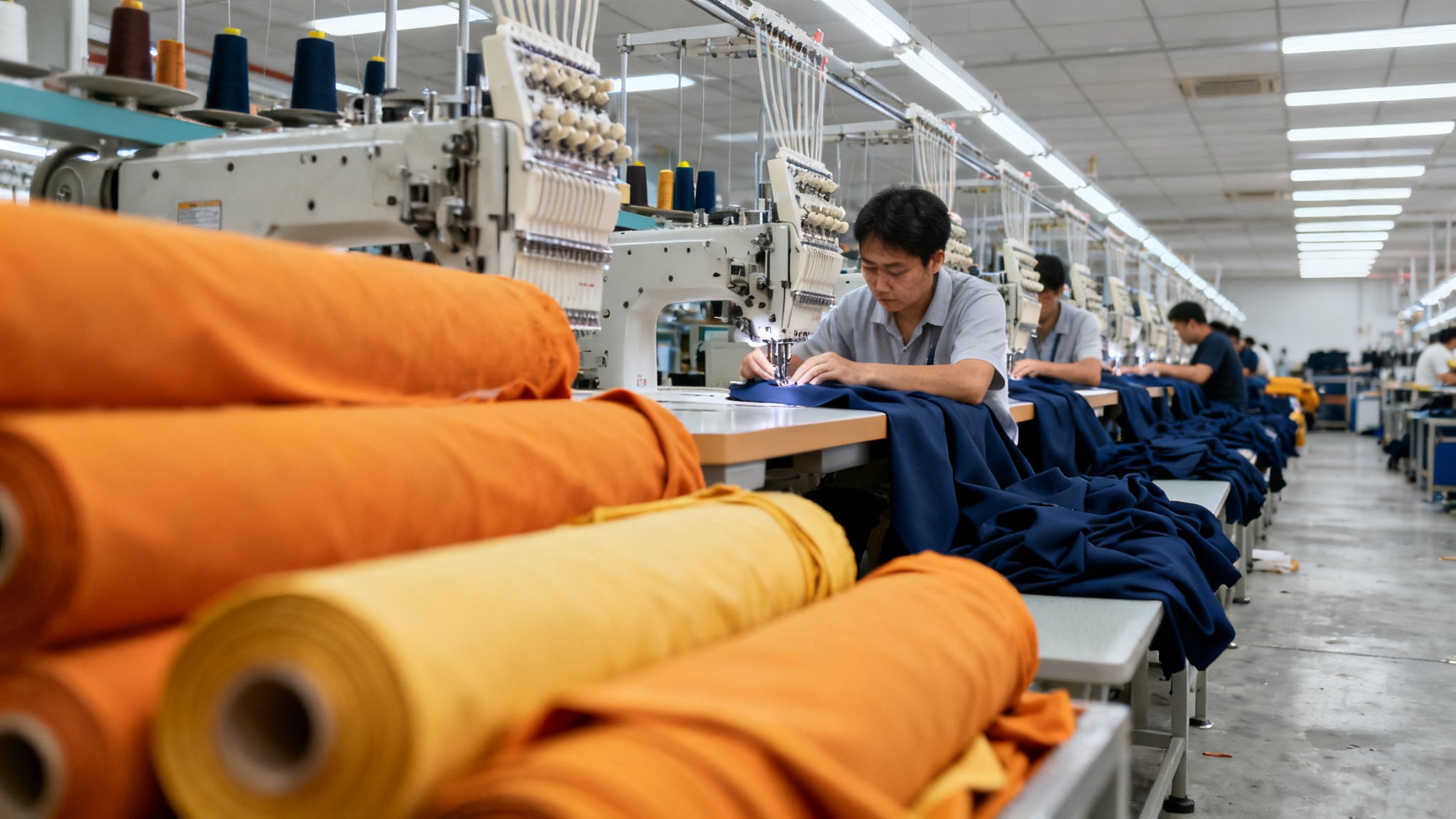
A suitable streetwear manufacturer matches your silhouettes, fabrics and decoration methods, controls knitting, dyeing, cutting, sewing and finishing, and can prove it with recent, relevant work and clear references.2
Ask what they make most often and in what volumes: a factory that excels at heavyweight hoodies may be a poor fit for fine jersey tees. Confirm they handle your fabric weight, your print or embroidery method, and your target fit — boxy, oversized or slim — instead of outsourcing every step to unknown subcontractors. Relevant capability is the single best predictor that your first sample will actually resemble the product you designed.
How do you vet a clothing manufacturer before placing an order?
Capability claims are easy; verification is what protects you.
Vet a manufacturer by checking its legal identity, visiting or video-auditing the floor, reviewing its client history, and confirming exactly which steps it performs in-house versus subcontracts.3
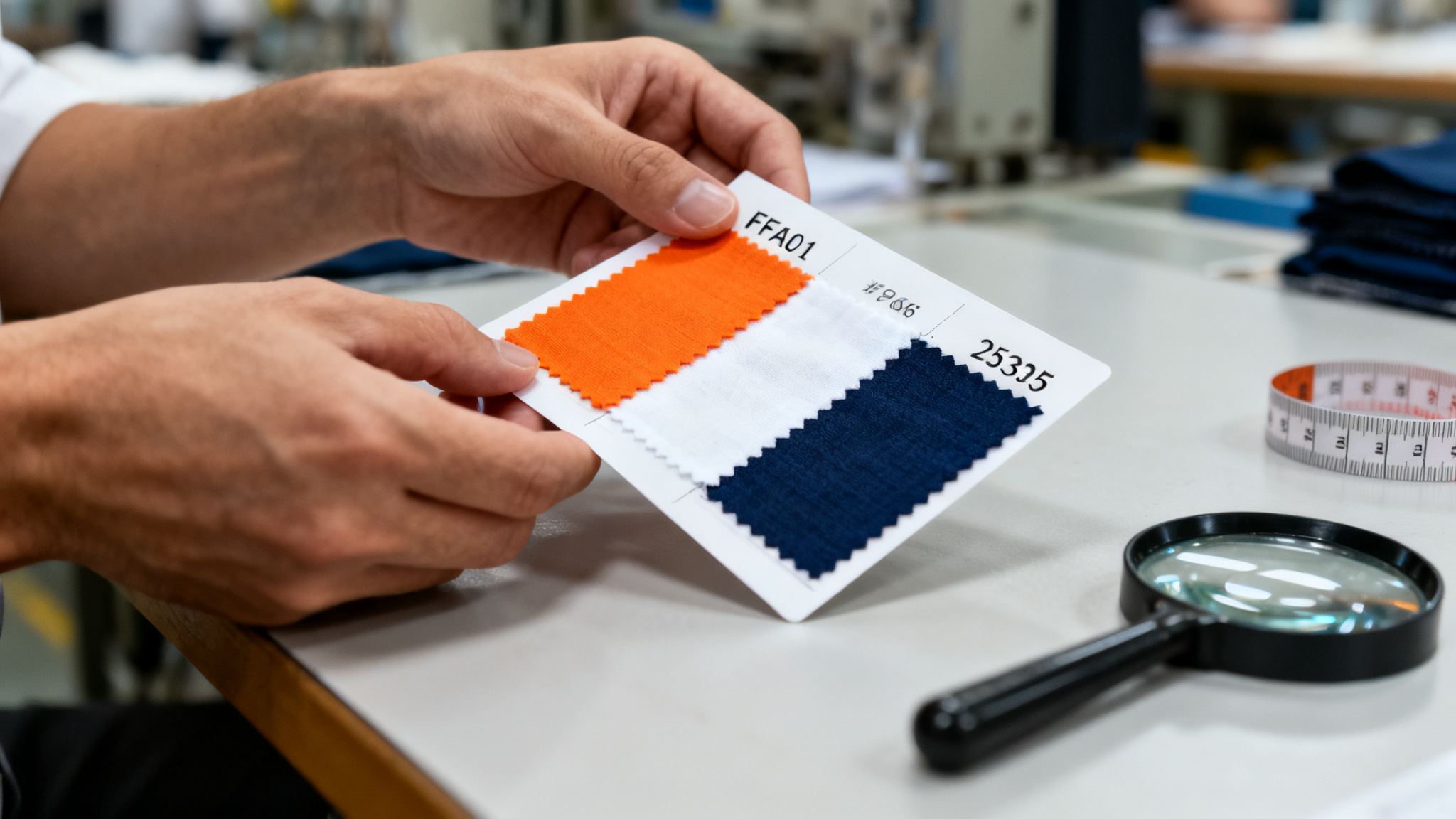
A legitimate factory can share its business licence, its address, and a live walkthrough of the production line on request. Ask who owns the machines, how many lines run at peak, and how they handle capacity when orders pile up. These answers matter because a supply chain you cannot see is a supply chain you cannot manage, and hidden subcontracting is where quality and timing most often break down.
What MOQ and sampling terms matter when choosing a manufacturer?
Minimums and sampling decide whether your first drop is even possible.
Lock down the minimum order quantity per style and colour, the sample cost and lead time, and whether sample fees are refunded against bulk, because these terms decide your real launch size and cash flow.4
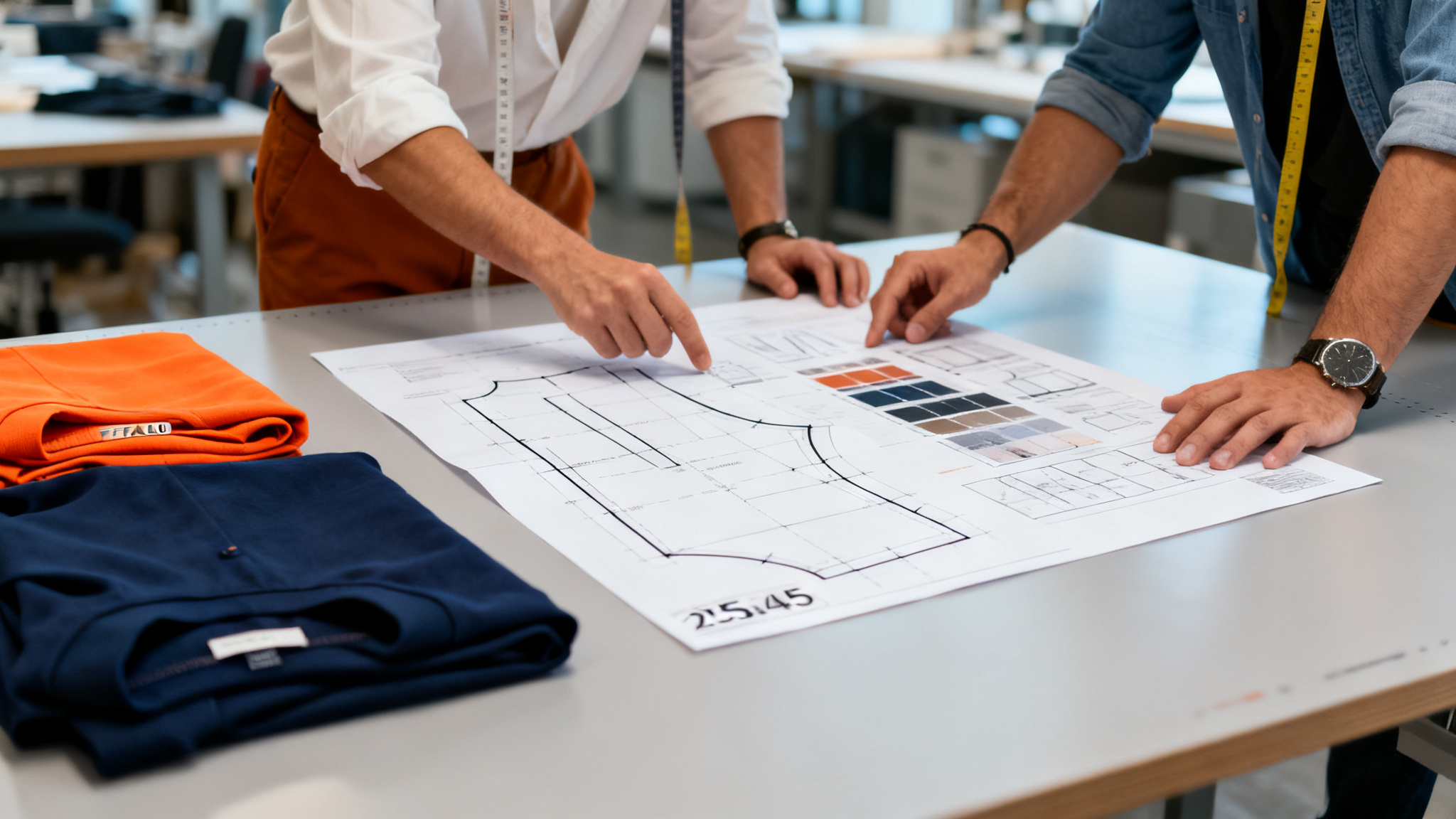
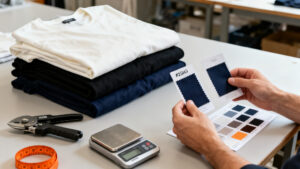
Factories set higher MOQs when they must buy custom fabric and dyes for you, so a small first run is easier on stock colours and lighter fabrics. Clarify whether the MOQ is per design, per colourway or across the whole order, since the difference can be huge. Treat the sample as a paid test: approve fabric, fit, colour and trims in writing before bulk begins, and agree how revisions are priced. If you want to start small, our low-MOQ program for DTC brands is built around exactly these terms.
How do you check manufacturing quality and compliance?
Quality is a process you agree on, not a hope you carry to delivery.
Verify quality by agreeing a written spec and AQL inspection standard, sampling during and after production, and confirming fabric, dye and safety compliance for your selling markets.5
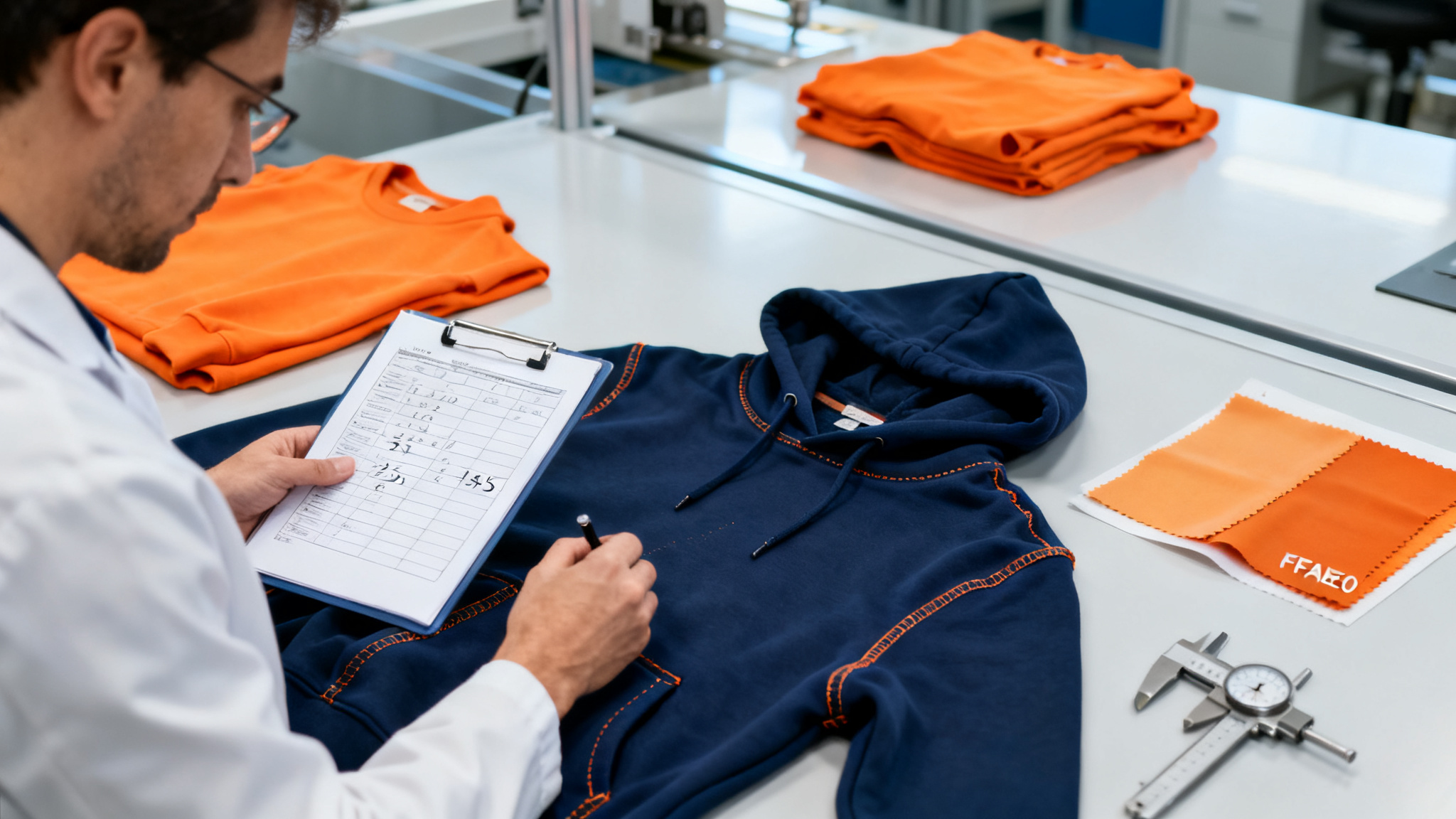
A clear spec sheet turns vague expectations into measurable checks: fabric weight, stitch density, colour tolerance, measurements and labels. Agree who inspects, at which stage, and what happens to a failed batch. For compliance, confirm the factory can support the labelling, fibre content and restricted-substance rules your market requires, because fixing non-compliant goods after they ship is far costlier than preventing them.
How do you compare manufacturer quotes and total cost fairly?
The lowest unit price is rarely the lowest total cost.
Compare manufacturers on total landed cost — fabric, sampling, tooling, MOQ risk, shipping, duties and defect rate — using an identical request for quotation for every factory.6
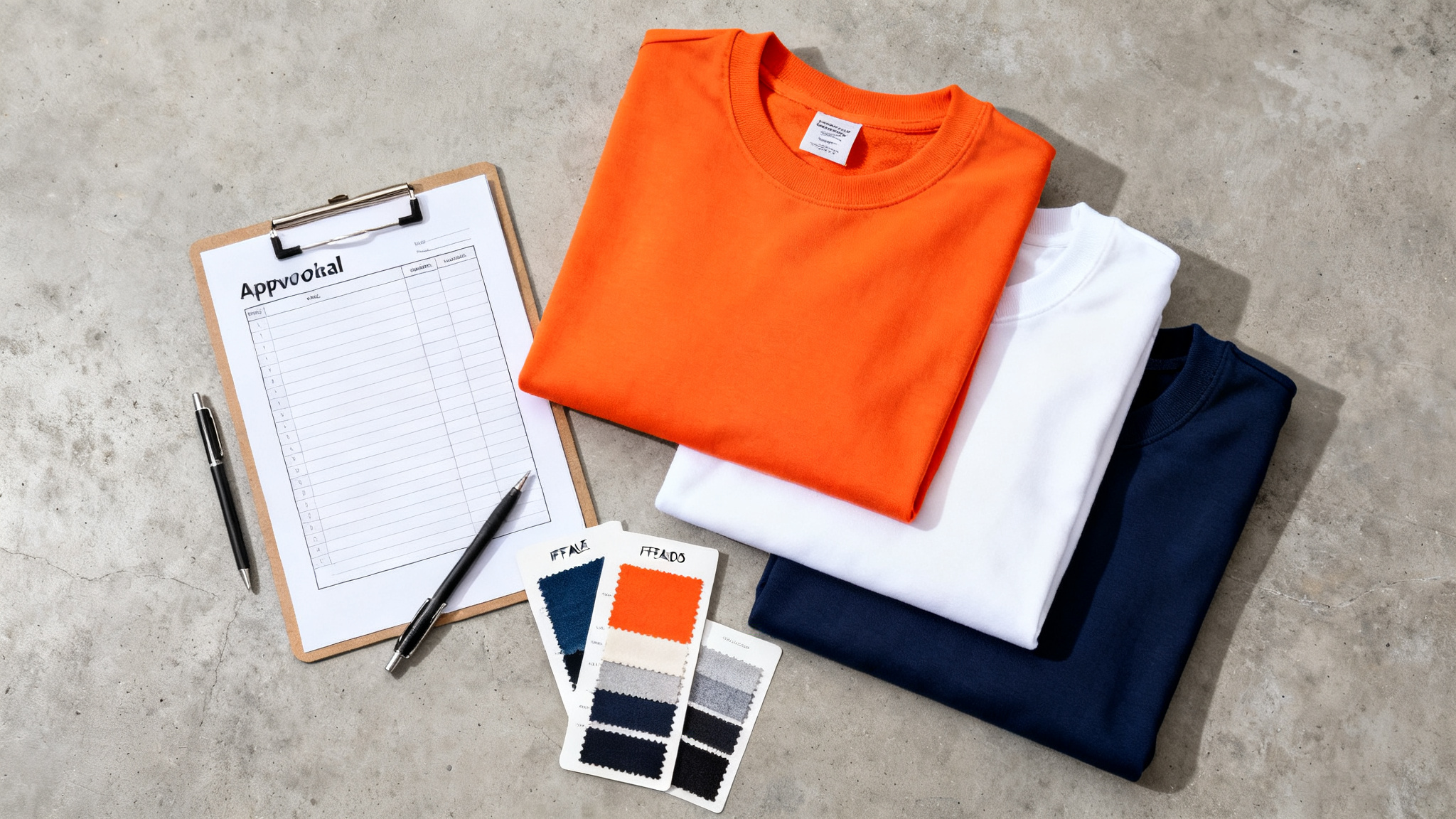
Send the same tech pack and quantities to three or four factories so the quotes are directly comparable, and ask each to separate unit price from setup, sampling and freight. A slightly higher unit cost often wins once you factor in lower defect rates, faster sampling and fewer emergency re-orders. Read the terms too: payment schedule, tooling ownership and reorder pricing protect your margin long after the first invoice is paid.
Conclusion
The right manufacturer is capable, verifiable, transparent about minimums, disciplined on quality, and honest about total cost. Judge factories on all five checks together rather than any single quote, sample your chosen weight and fit before committing to bulk, and keep every approval in writing. When you are ready to test a partner, explore our custom clothing manufacturing or talk to our team and we will quote your first streetwear drop end to end.
"Clothing industry - Wikipedia", https://en.wikipedia.org/wiki/Clothing_industry. Overviews of the clothing industry describe its global structure from design and manufacturing through distribution and retail. Evidence role: context; source type: encyclopedia. Supports: The framing that manufacturer selection is a structured, checkable process. Scope note: Industry structure varies by region and product category. ↩
"Textile manufacturing - Wikipedia", https://en.wikipedia.org/wiki/Textile_manufacturing. References on textile manufacturing outline the stages from fibre to finished fabric and how construction affects the finished garment. Evidence role: mechanism; source type: encyclopedia. Supports: The claim that capability across knitting, dyeing, cutting and finishing defines what a factory can deliver. Scope note: Specific machinery and skills differ from factory to factory. ↩
"Supply chain - Wikipedia", https://en.wikipedia.org/wiki/Supply_chain. Descriptions of supply chains explain how goods and information flow between firms and why visibility and control matter. Evidence role: mechanism; source type: encyclopedia. Supports: The guidance to verify in-house steps, ownership and subcontracting before ordering. Scope note: Chain complexity varies with product and volume. ↩
"Economies of scale - Wikipedia", https://en.wikipedia.org/wiki/Economies_of_scale. Explanations of economies of scale show why unit costs fall as production volume rises, shaping minimum order quantities. Evidence role: mechanism; source type: encyclopedia. Supports: Why factories set MOQs and how minimums, sampling and setup costs affect launch size. Scope note: Real MOQs also depend on materials, tooling and factory policy. ↩
"Quality control - Wikipedia", https://en.wikipedia.org/wiki/Quality_control. Quality-control references describe inspection, sampling and acceptance standards used to keep production within specification. Evidence role: mechanism; source type: encyclopedia. Supports: The recommendation to agree specs and inspection standards and to sample during and after production. Scope note: Formal schemes such as AQL are conventions, not guarantees. ↩
"Request for quotation - Wikipedia", https://en.wikipedia.org/wiki/Request_for_quotation. References on requests for quotation describe how buyers invite comparable bids so suppliers can be evaluated on equal terms. Evidence role: general_support; source type: encyclopedia. Supports: The advice to send one identical RFQ to several factories and compare total cost. Scope note: Quotation practice differs by industry and buyer. ↩
Ready to make this for your brand?
Adiwe manufactures custom T-shirts, hoodies, jackets, pants, shorts and shirts for brands worldwide — from 50 pcs per style and colour, with private labelling, three-stage QC and a physical sample you approve before bulk.
Custom Hoodie ManufacturingCustom T-Shirt Manufacturing