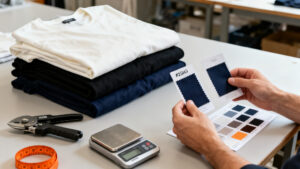
Most startup streetwear brands die at the same gate: the factory says 500 pieces per colour, per style, and the first drop never happens. The problem is rarely your design — it is that you are talking to a manufacturer built for mass production. Low MOQ manufacturing is a different operating model, and the factories that do it well are a specific, findable group.
The best low MOQ streetwear manufacturers for startup brands are specialist small-batch factories that accept roughly 30–100 pieces per style, quote fabric minimums separately, sample before bulk and publish real lead times — because streetwear brands launch in limited drops, and small runs let a new label test demand without locking up capital in inventory it may never sell.1
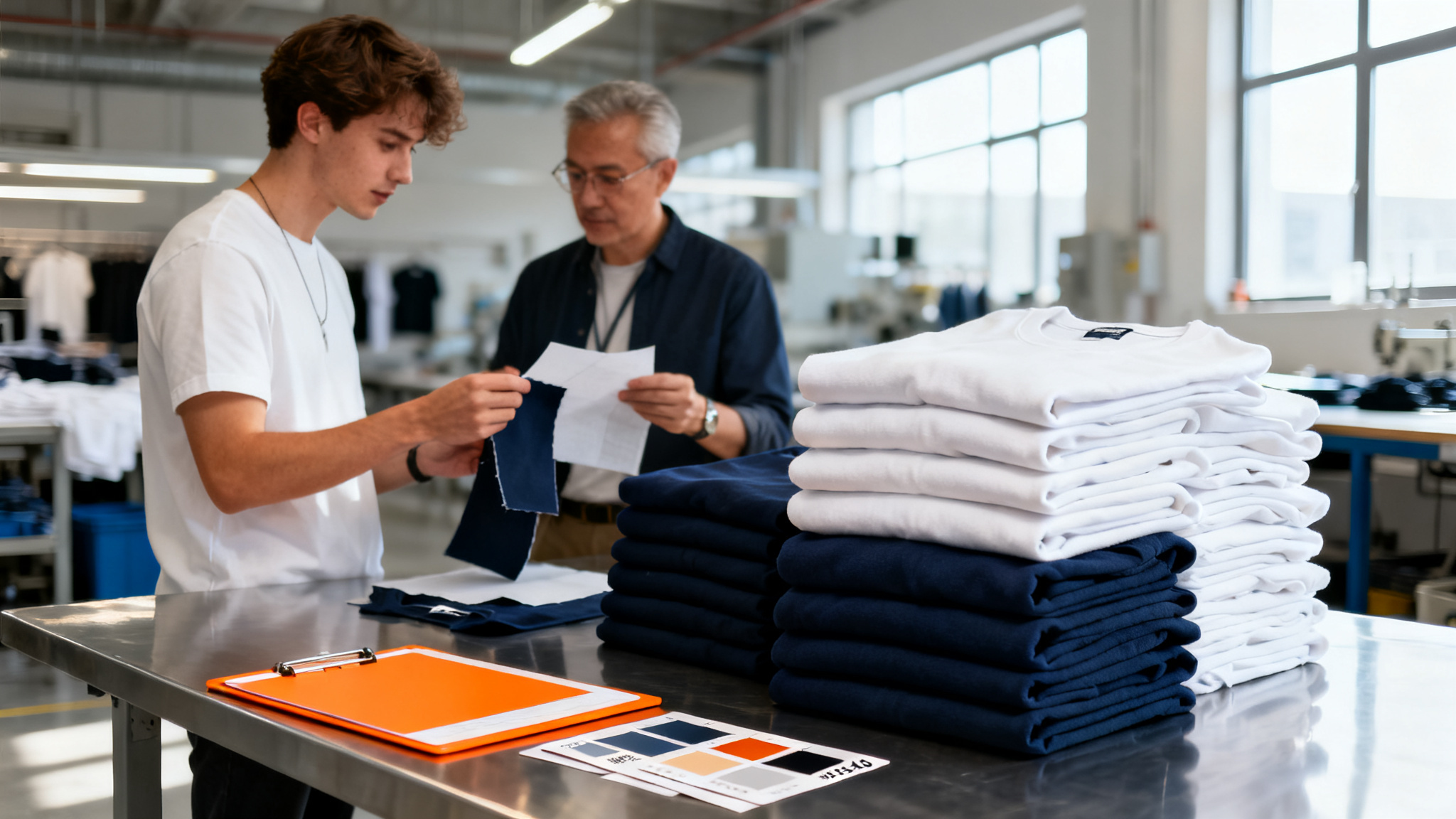
The five questions below break down what counts as low MOQ, why most factories refuse it, how small-batch production actually works, and how to vet a supplier before you wire a deposit. If you are launching your first collection, also read our guide on what MOQ means for custom streetwear.
What MOQ counts as "low MOQ" for streetwear manufacturing?
"Low MOQ" is a relative term, so pin it to a number before you start sourcing.
For streetwear, low MOQ generally means 30–100 pieces per style and colour, with 50 pieces being the most common small-batch threshold; anything under 30 is usually a sample or made-to-order run, while 300+ per colour is standard mass production.2
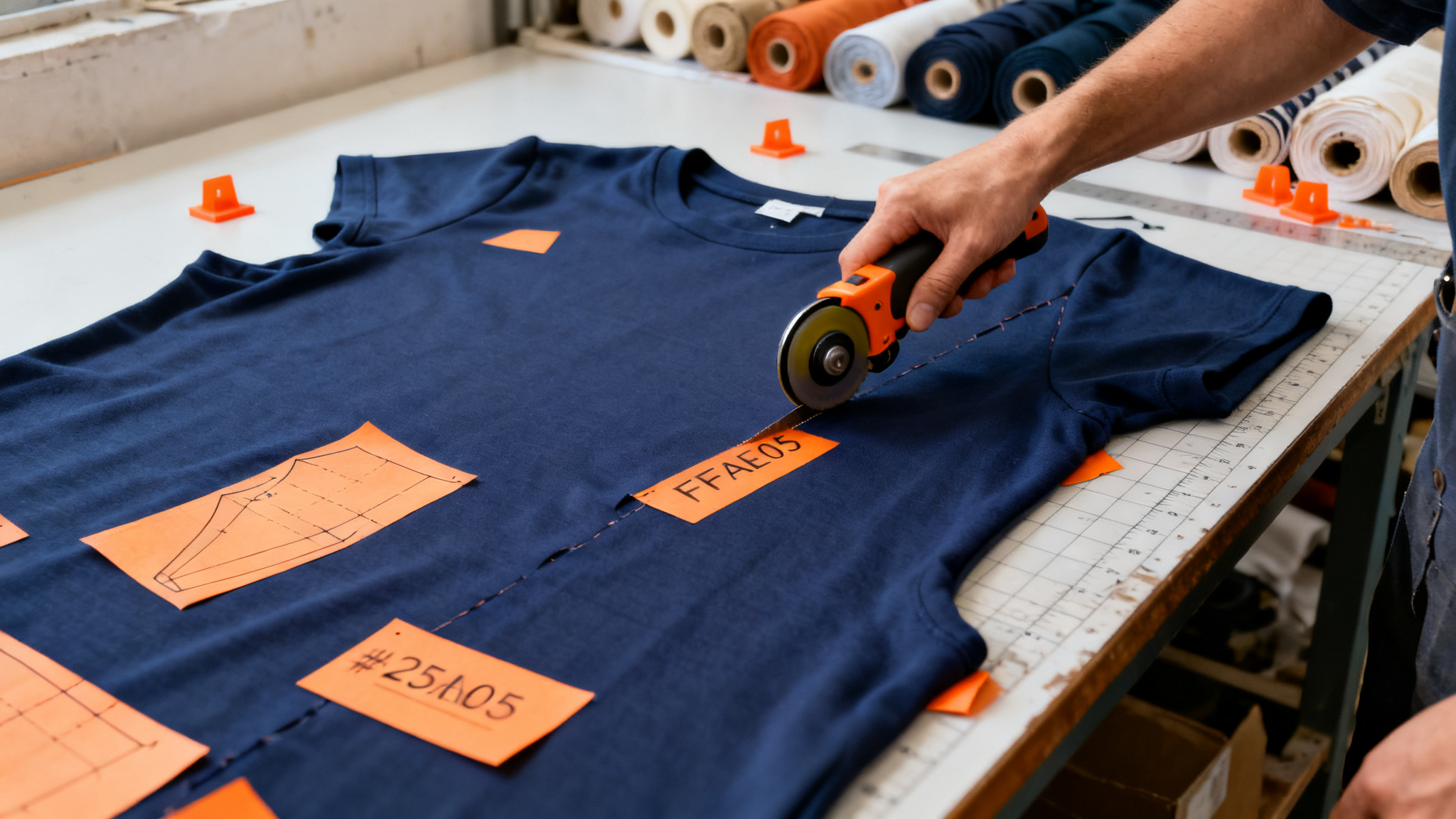
The number you should actually care about is the per-colour, per-style minimum, not the total order value. A factory that advertises a 100-piece MOQ but then requires 50 pieces per colour across four colourways is really asking for 200 pieces. Ask for the matrix explicitly: minimum per style, minimum per colour, minimum per size, and whether fabric has its own minimum that sits on top of the garment MOQ.
Why do most streetwear manufacturers require high minimums?
The minimum is not arbitrary — it is arithmetic.
High minimums exist because every production run carries fixed setup costs — pattern grading, marker making, machine setup, fabric dyeing or knitting minimums and quality checks — and factories spread those costs across volume, so a 50-piece run costs disproportionately more per unit than a 500-piece run.3
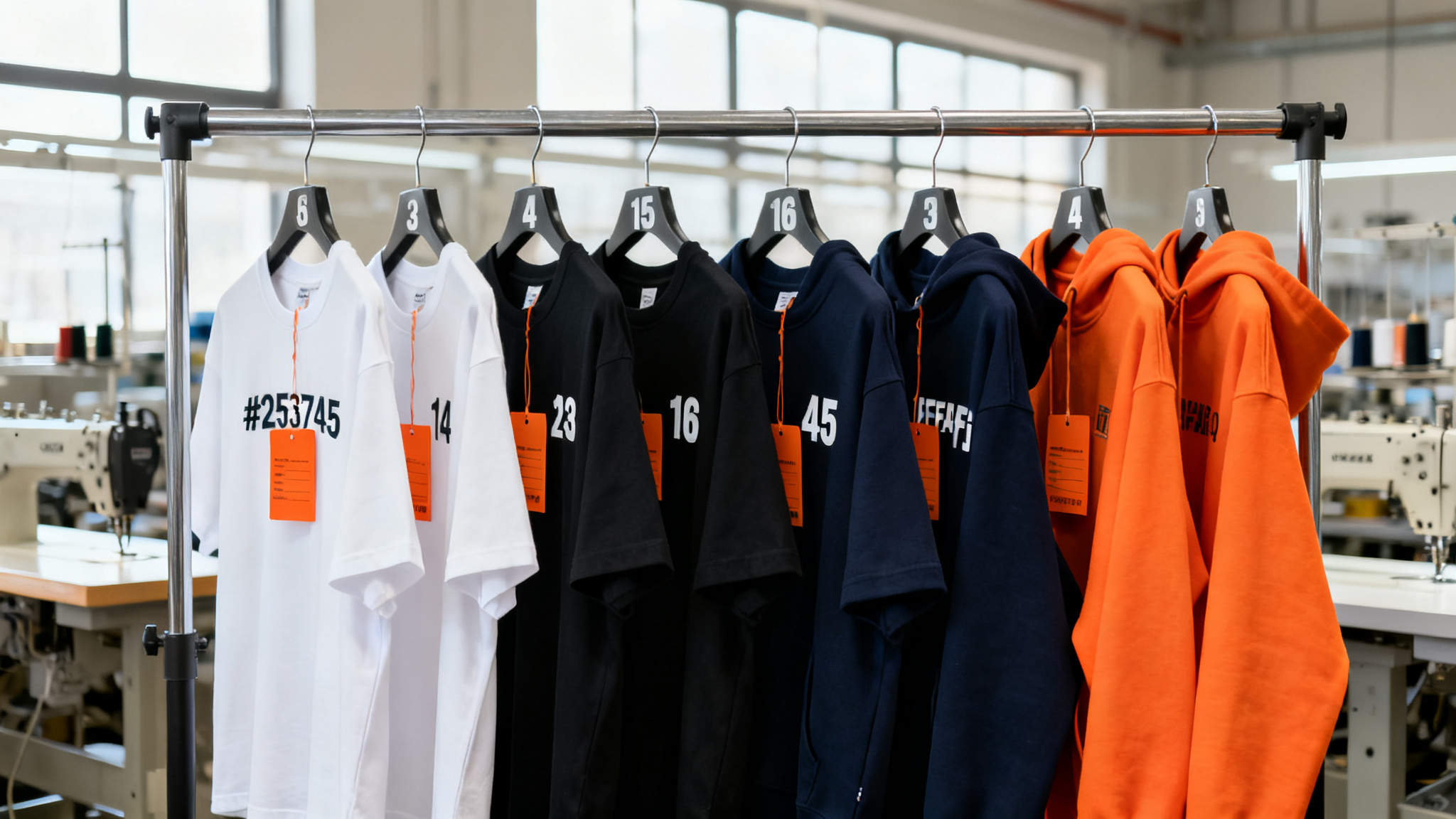
Fabric is usually the real constraint. Mills often sell greige or finished fabric by the roll, and dye lots have their own minimums — so a factory must either absorb leftover cloth or pass the minimum on to you. Add labour line balancing: switching a sewing line to a new style costs hours of lost output. Small-batch specialists solve this by keeping a library of stock fabrics, grouping small orders into shared production windows, and charging a modest small-order premium instead of refusing the work.
How do low MOQ manufacturers make small runs profitable?
Good small-batch factories are engineered for it, not merely tolerant of it.
Low MOQ manufacturers stay viable by using stock or pre-bought fabric, flexible modular sewing lines, digital cutting and grouping several clients' small orders into one production window — so setup costs are shared and a 50-piece run still leaves a margin.4
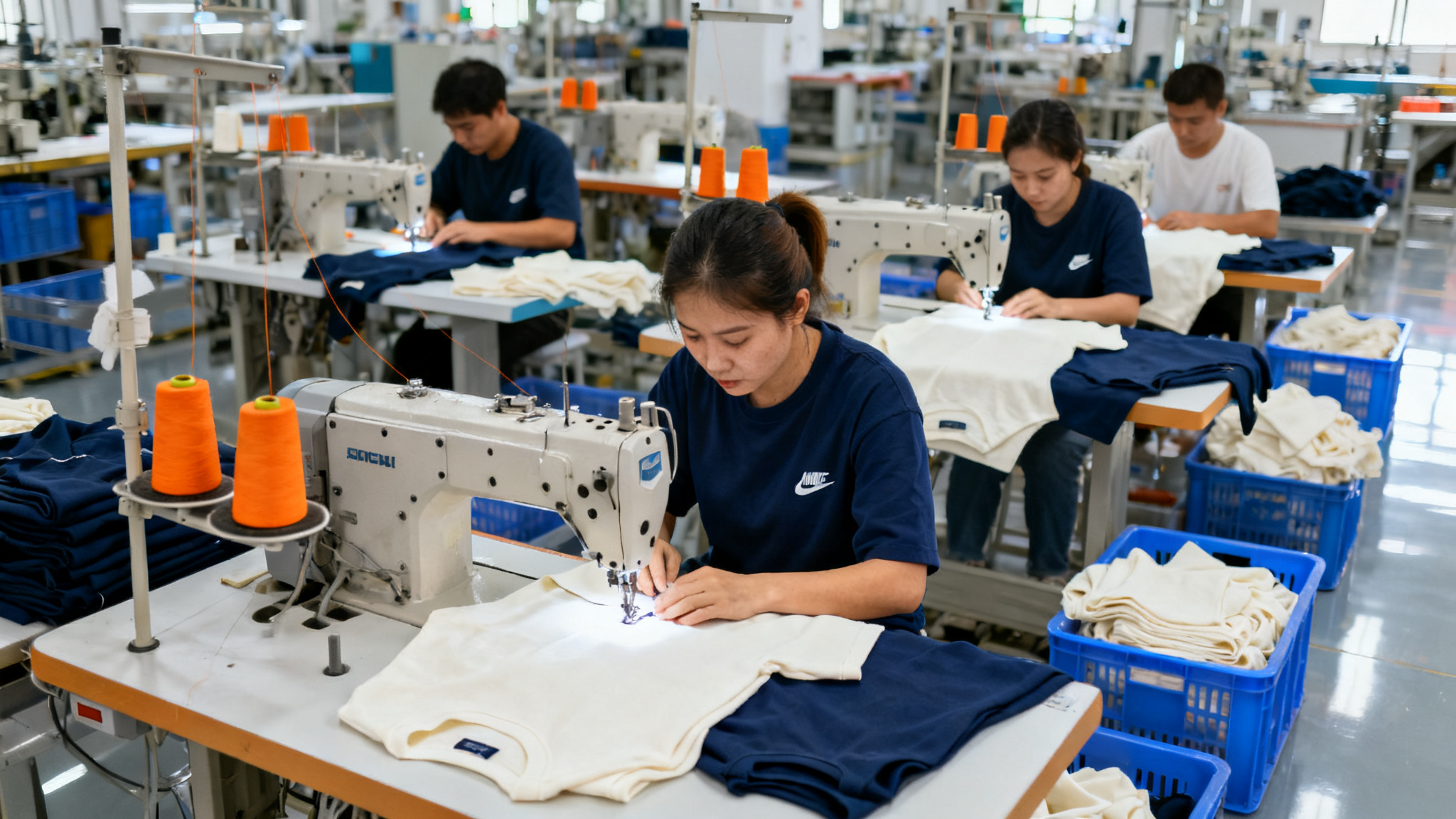
Practically, this means asking how they schedule. A factory that runs dedicated small-batch cells, keeps common streetwear fabrics — 240–300 GSM cotton jersey, 400 GSM fleece — in stock, and can start a run without waiting for a mill order will quote you faster and hold dates better. It also means accepting trade-offs: fewer fabric choices, standard colour cards, and per-unit prices that are higher than mass production. That premium is the cost of not buying 500 units you cannot sell.
What should startup brands check before choosing a low MOQ manufacturer?
Vet the operation, not the sales page.
Before choosing a low MOQ manufacturer, verify three things: a real pre-production sample made on their own line, a written quote that separates garment MOQ from fabric MOQ, and documented QC and lead times — because a cheap sample from a trading agent tells you nothing about who will actually sew your order.5
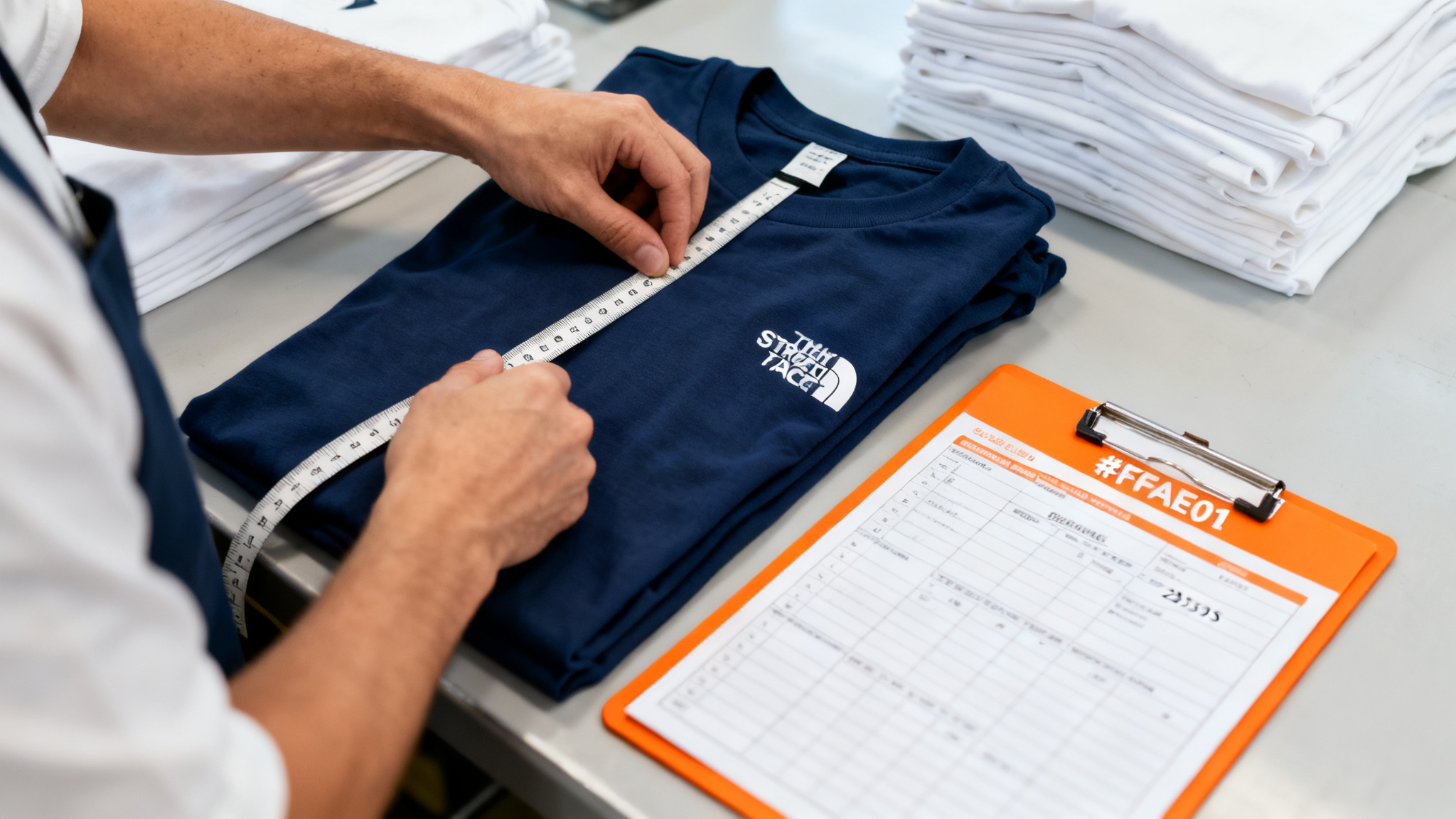
Ask for a short video walkthrough of the floor, the name of the factory behind the quote, and one reference brand they produced for at a similar volume. Confirm who owns the pattern and grading, what the sample fee is and whether it is credited against bulk, and what happens if a run arrives out of tolerance. A legitimate small-batch partner will answer all of this in writing; vagueness here is the single best predictor of a failed first order.
How do you keep a small first order from becoming a stock problem?
Low MOQ only helps if the rest of your launch is sized to match.
Keep a first order lean by limiting colourways and size curves, ordering core sizes deeper and edge sizes shallow, and planning a repeat run instead of over-buying — because small batches only protect cash flow when inventory, fulfilment and reorder timing are planned together.6
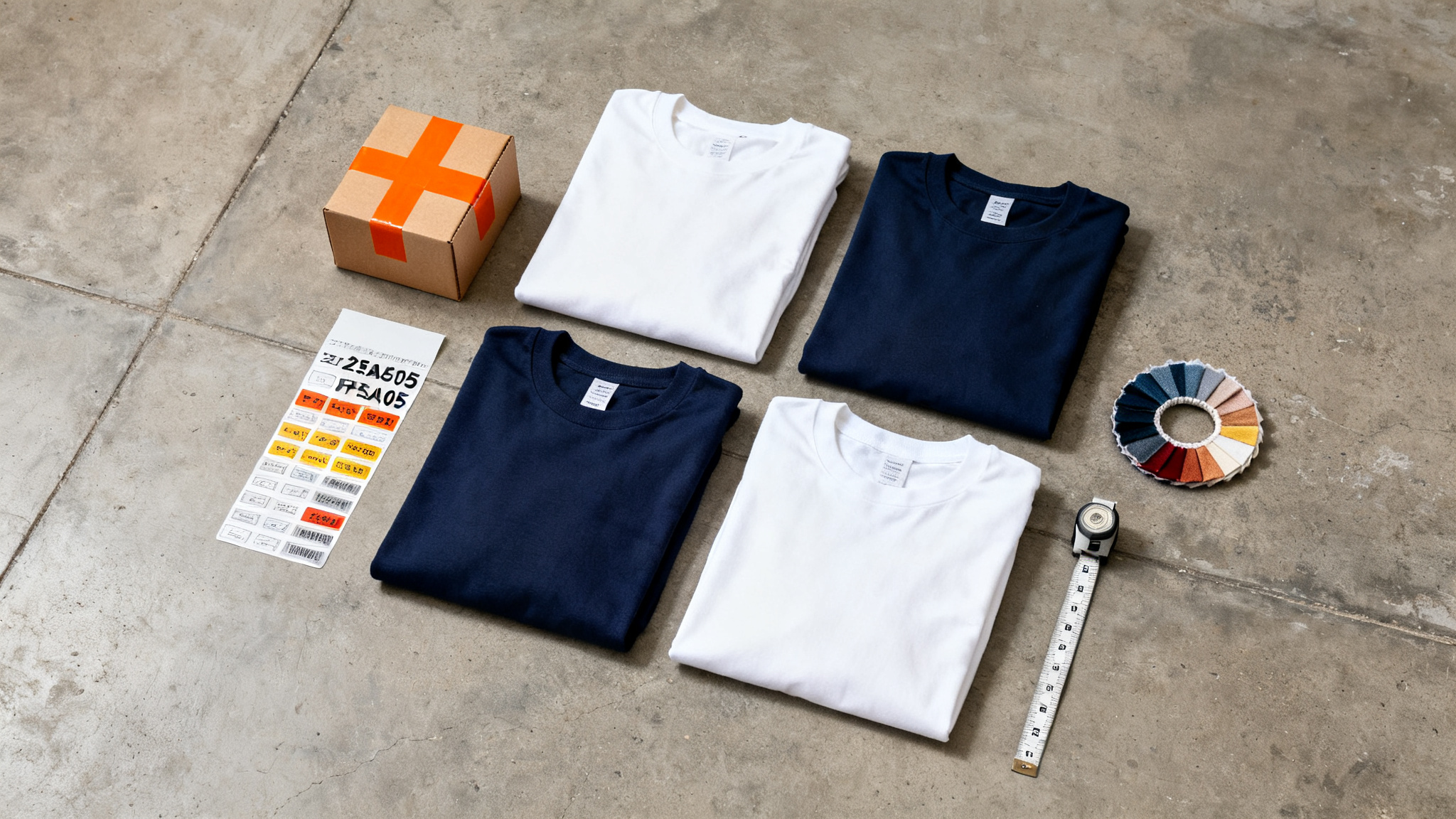
A practical first drop is two to three styles, two colourways each, with a size curve weighted to M and L. Confirm the factory's repeat lead time before you launch, so a sell-out does not become a six-week stockout. And price the small-run unit cost into your retail margin from day one rather than discovering it after the quote. Brands that treat the first run as a paid market test — not a inventory bet — are the ones that get to a second drop.
Conclusion
The best low MOQ streetwear manufacturer for a startup is not the cheapest quote or the biggest factory — it is a small-batch specialist that quotes 30–100 pieces per style honestly, samples on its own line, separates fabric minimums from garment minimums, and can repeat your order quickly once a style sells. Ask for the MOQ matrix, test with one style, and scale only what proves itself. If you want to run a small first batch with a partner set up for it, see how we work with DTC and startup brands or send us your tech pack.
"Streetwear - Wikipedia", https://en.wikipedia.org/wiki/Streetwear. Reference material on streetwear describes the category's drop-driven, limited-run release model and its roots in small independent labels. Evidence role: context; source type: encyclopedia. Supports: The claim that streetwear brands typically launch in limited drops suited to small production runs. Scope note: Release strategies vary widely between brands and regions. ↩
"Batch production - Wikipedia", https://en.wikipedia.org/wiki/Batch_production. References on batch production explain how goods are made in defined quantities and how batch size interacts with setup and unit cost. Evidence role: definition; source type: encyclopedia. Supports: The working definition of low MOQ as a small batch of roughly 30–100 units per style. Scope note: Exact thresholds differ by factory, fabric and garment complexity. ↩
"Batch production - Wikipedia", https://en.wikipedia.org/wiki/Batch_production. The same reference outlines fixed setup costs and economies of scale that make short runs more expensive per unit. Evidence role: mechanism; source type: encyclopedia. Supports: The explanation of why factories set high minimum order quantities. Scope note: Cost structures vary with automation and fabric sourcing. ↩
"Small business - Wikipedia", https://en.wikipedia.org/wiki/Small_business. Overviews of small business describe how smaller firms compete through flexibility, niche focus and lower capital requirements rather than scale. Evidence role: general_support; source type: encyclopedia. Supports: The claim that specialist small-batch factories can operate profitably at low volumes. Scope note: Applies to firm strategy generally, not garment factories specifically. ↩
"Product sample - Wikipedia", https://en.wikipedia.org/wiki/Product_sample. References on product samples describe how pre-production samples are used to approve specifications before mass manufacturing. Evidence role: mechanism; source type: encyclopedia. Supports: The recommendation to require a pre-production sample made on the supplier's own line. Scope note: Sampling practice and fees vary by supplier and order size. ↩
"Order fulfillment - Wikipedia", https://en.wikipedia.org/wiki/Order_fulfillment. Overviews of order fulfilment cover inventory, picking, packing and shipping steps that determine how stock reaches customers. Evidence role: general_support; source type: encyclopedia. Supports: The advice to align order size with inventory and fulfilment planning. Scope note: Fulfilment models differ between in-house, 3PL and dropship operations. ↩
Ready to make this for your brand?
Adiwe manufactures custom T-shirts, hoodies, jackets, pants, shorts and shirts for brands worldwide — from 50 pcs per style and colour, with private labelling, three-stage QC and a physical sample you approve before bulk.
Custom Hoodie ManufacturingCustom T-Shirt Manufacturing