
Three t-shirts can look almost identical on a screen and feel completely different in the hand, and fabric weight is usually the reason. The jump from 180 to 240 to 300 GSM changes drape, structure, cost and even how a print sits on the cloth, so it pays to choose with intent.
For most streetwear t-shirts, 180 GSM is best for light everyday basics, 240 GSM for a balanced midweight feel, and 300 GSM for heavy, structured premium pieces.1
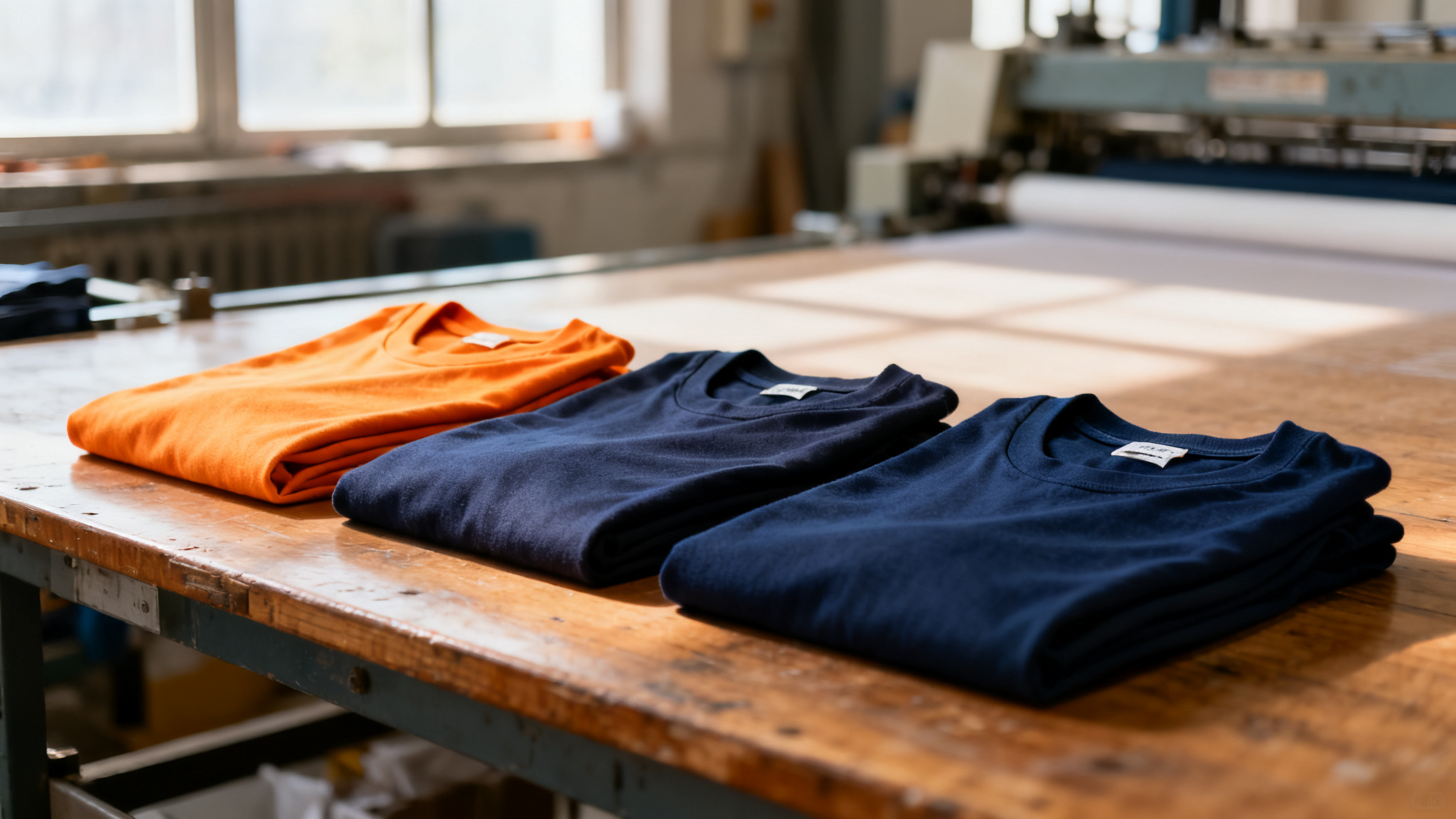
This guide breaks down what each weight delivers, who it suits, and how to match GSM to your silhouette and price point.
What does GSM mean and why do 180, 240 and 300 GSM feel different?
GSM is the number every factory quote leads with, yet it is often misread.
GSM (grams per square meter) measures how much a knit fabric weighs per unit area, so higher numbers mean denser, heavier and more structured cloth.2
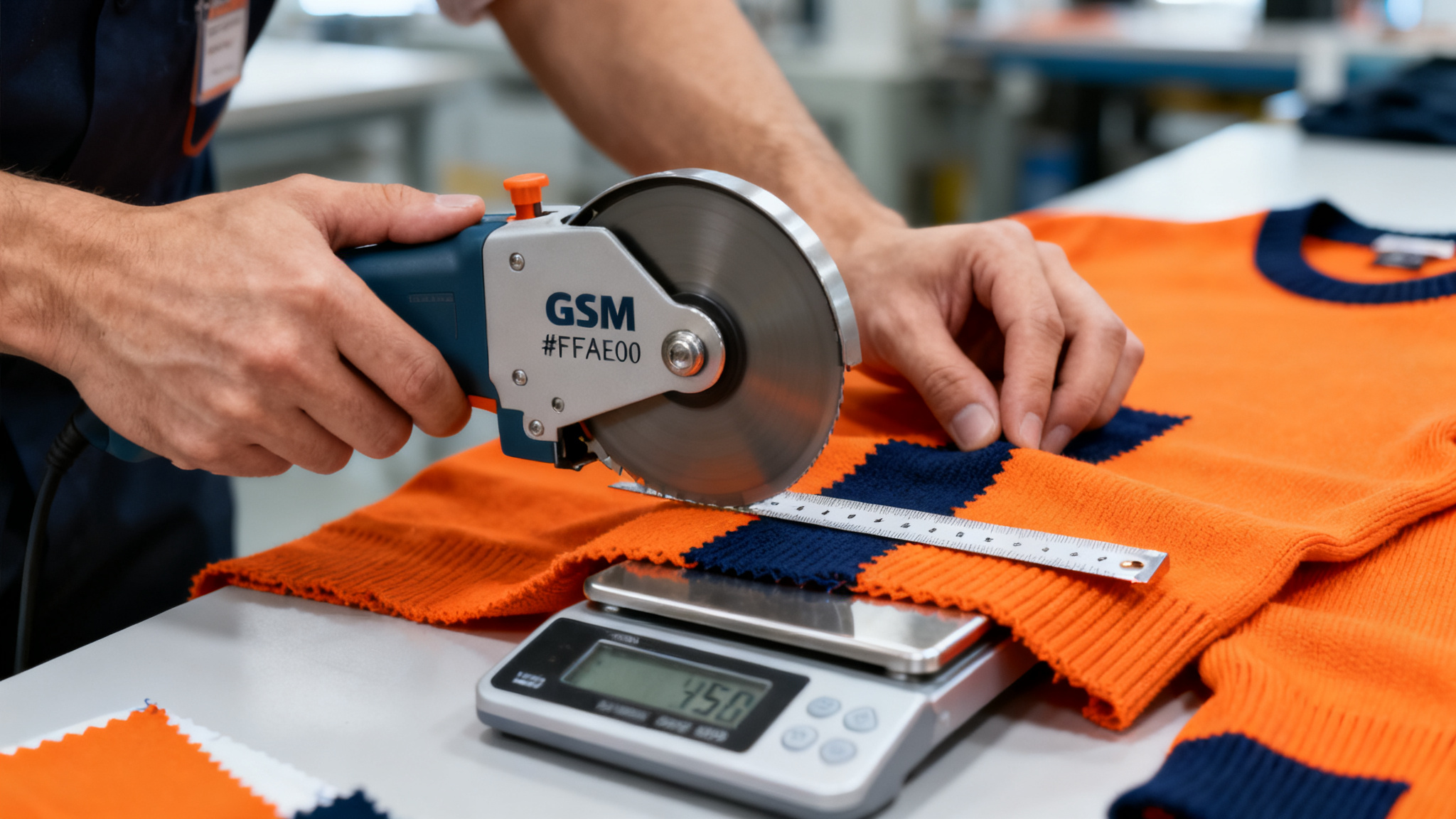
Because GSM is a standardised mass-per-area figure, it lets you compare fabrics from different factories on equal terms instead of relying on vague terms like “thick cotton”. A 180 GSM jersey is light and airy, a 240 GSM knit feels solid and balanced, and a 300 GSM knit is dense enough to stand away from the body. It is not the same as yarn size or thread count, but heavier fabric usually means thicker yarns and a tighter, more expensive construction.
What is a 180 GSM t-shirt best for?
The lightest of the three is the tee most people wear without thinking about it.
A 180 GSM t-shirt is best for lightweight everyday tees, warm-weather basics and high-volume drops where breathability and low cost matter most.3
At this weight the shirt stays cool and easy to wear, which makes it ideal for summer collections, promotional runs and first drops where unit cost is critical. It prints cleanly with both screen printing and DTG, though very light fabric can feel clingy and may show through under bright light. If your brand leans on comfort basics rather than heavyweight statement pieces, 180 GSM is a sensible starting point.
What is a 240 GSM t-shirt best for?
Step up one level and the same tee starts to feel like a considered product.
A 240 GSM t-shirt is best for midweight streetwear that needs structure without excess warmth, making it the versatile all-rounder for most brands.4
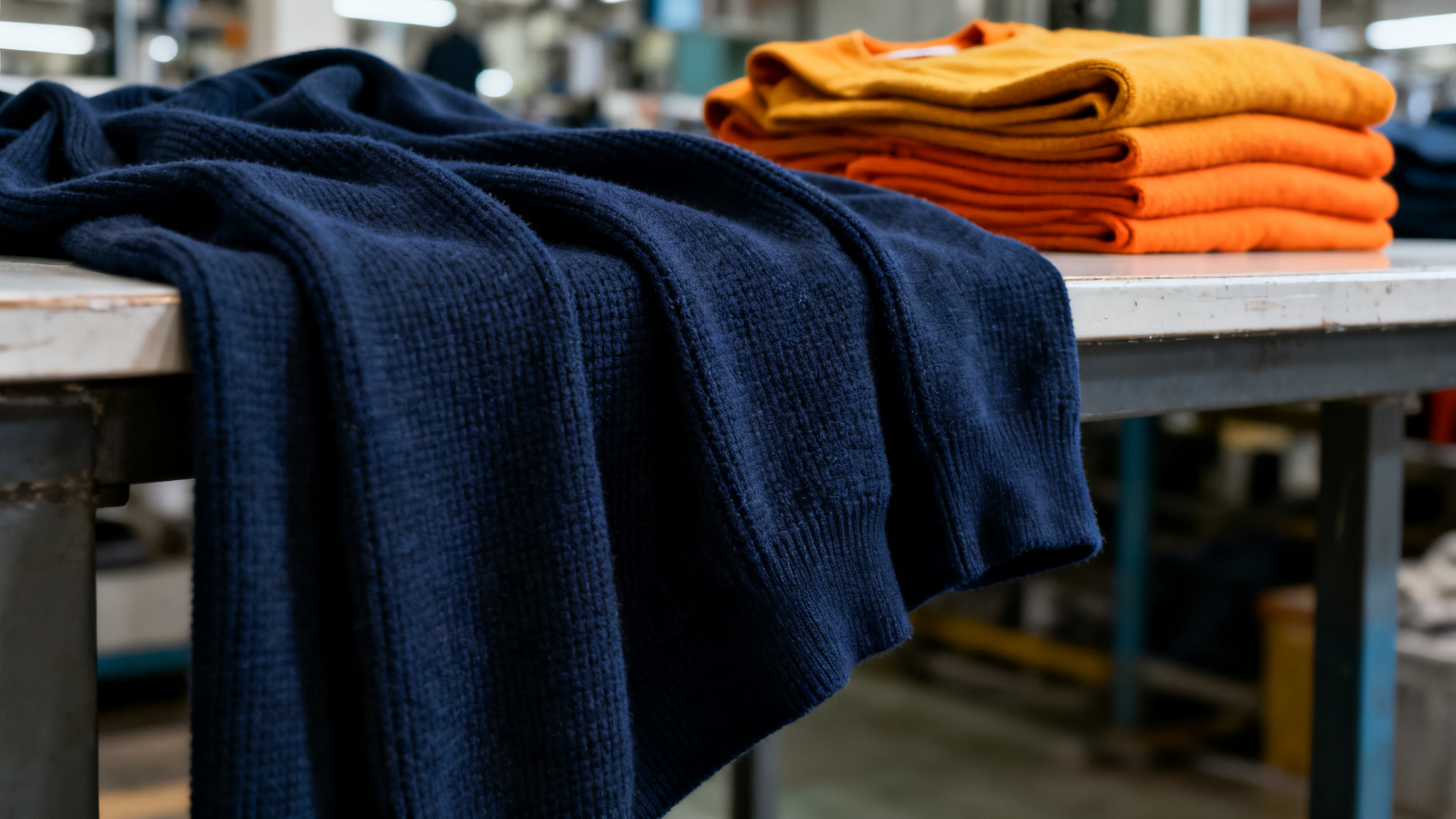
This range keeps a clean neckline, holds a boxy cut without collapsing, and still breathes across seasons. Longer cotton staple and tighter knitting at this weight give a smoother, less pilling surface, so logos and embroidery sit sharply. For many premium streetwear lines, 240 GSM is the default because it balances hand-feel, durability and price.
What is a 300 GSM t-shirt best for?
At the top of the range, fabric weight becomes a design statement rather than an afterthought.
A 300 GSM t-shirt is best for heavyweight, boxy or oversized premium pieces where a dense, structured hand-feel is the point.5
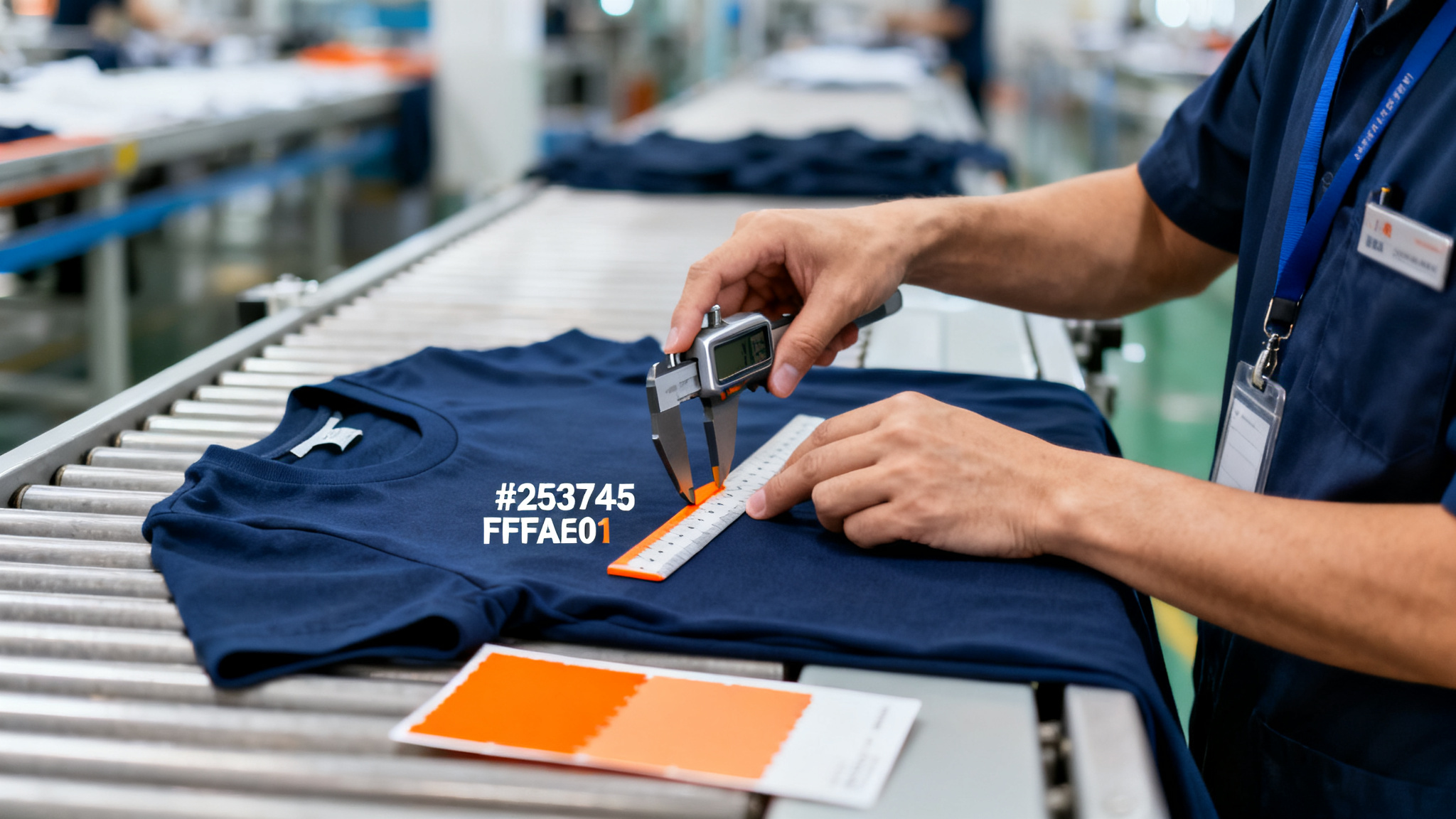
Heavyweight cotton falls in straight, deliberate lines that flatter oversized silhouettes and resist clinging. It takes puff print, dense screen prints and embroidery with less distortion, which suits bold graphics and statement branding. The trade-offs are higher fabric cost, a warmer wear and slower production, so reserve 300 GSM for hero pieces and flagship drops.
How do you choose between 180, 240 and 300 GSM?
The right answer depends on the garment, the season and the price you can charge.
Match GSM to the silhouette and price point: choose 180 for light basics, 240 for everyday streetwear, and 300 for flagship heavyweight pieces, then confirm with a real sample.6
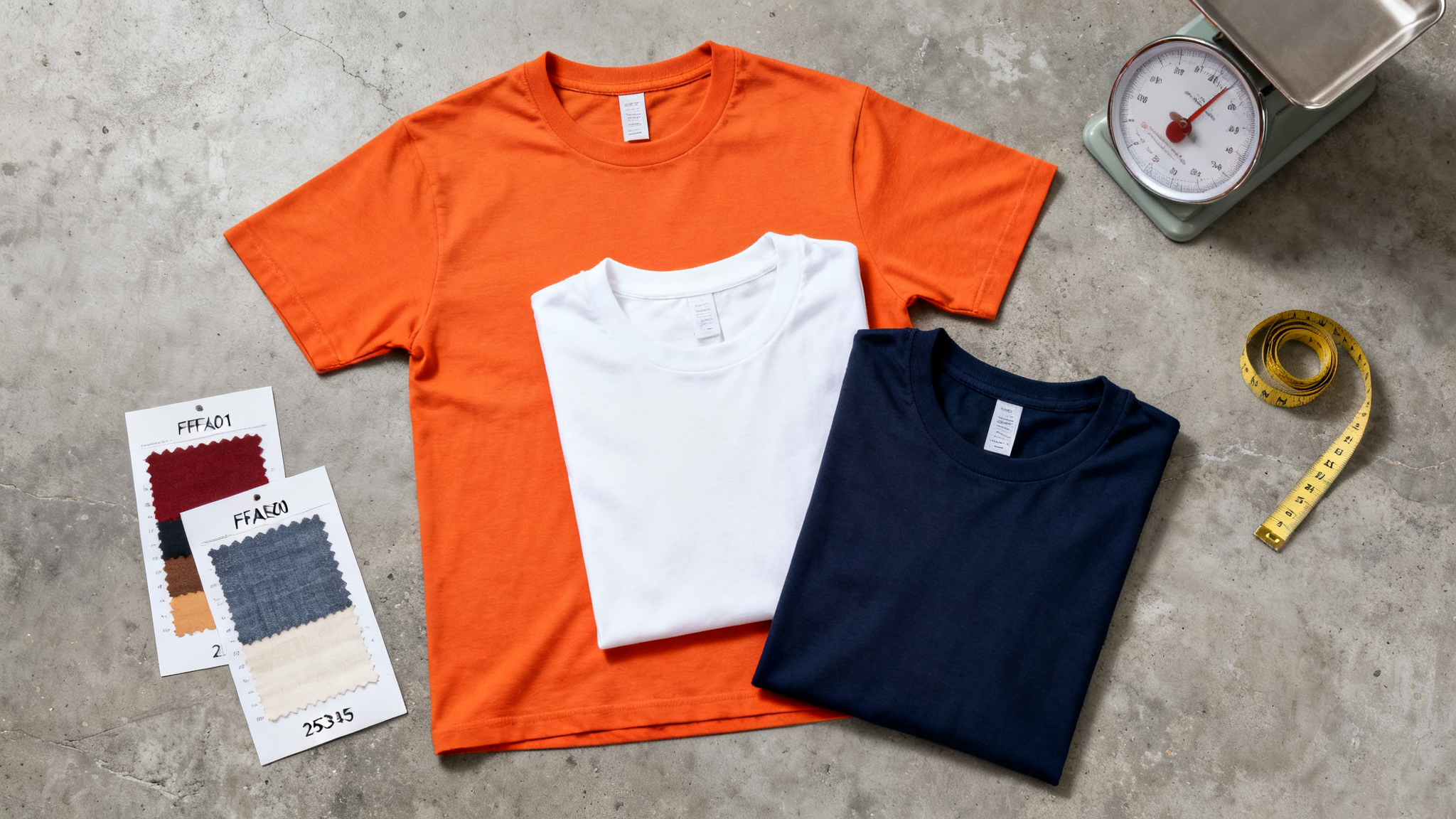
Ask what role each garment plays in the drop: a high-volume basic, a signature midweight tee, or a heavy statement piece. Then weigh yarn quality, shrinkage control and finishing alongside the GSM figure, because two 240 GSM fabrics can feel very different. Request physical swatches and, when you are ready, explore custom t-shirt manufacturing to test your chosen weight before committing to bulk.
Conclusion
No single weight wins outright: 180 GSM is the light, breathable choice for everyday basics, 240 GSM is the dependable middle ground for most streetwear, and 300 GSM earns its place on heavy, structured hero pieces. Pick the weight that fits your silhouette and margin, judge a physical sample rather than the spec sheet, and keep yarn quality in the picture. If you want help choosing the right fabric for your drop, talk to our team and we will send swatches at 180, 240 and 300 GSM.
"Units of textile measurement - Wikipedia", https://en.wikipedia.org/wiki/Units_of_textile_measurement. Standard textile measurement references define grams per square meter (GSM) and explain how the unit is used to compare fabric weights. Evidence role: general_support; source type: encyclopedia. Supports: The claim that GSM is the standard measure of fabric weight and that higher values mean heavier cloth. Scope note: GSM describes weight, not quality; identical weights can differ in yarn and construction. ↩
"T-shirt - Wikipedia", https://en.wikipedia.org/wiki/T-shirt. Overviews of the t-shirt describe its typical cotton jersey construction and the role of fabric weight in comfort and appearance. Evidence role: mechanism; source type: encyclopedia. Supports: The explanation of how knit density affects how light or structured a tee feels. Scope note: Actual hand-feel also depends on yarn and finishing. ↩
"Jersey (fabric) - Wikipedia", https://en.wikipedia.org/wiki/Jersey_(fabric). Fabric references describe jersey as a single knit used widely for t-shirts and how its structure and density affect weight and handle. Evidence role: general_support; source type: encyclopedia. Supports: The claim that a light 180 GSM jersey suits breathable everyday t-shirts. Scope note: Knit properties vary with yarn, gauge and finishing. ↩
"Cotton - Wikipedia", https://en.wikipedia.org/wiki/Cotton. References on cotton describe fibre properties such as staple length and how they influence the weight, strength and hand-feel of finished fabric. Evidence role: mechanism; source type: encyclopedia. Supports: The point that midweight cotton knits balance structure, durability and comfort. Scope note: Agricultural and processing conditions affect fibre quality. ↩
"Textile manufacturing - Wikipedia", https://en.wikipedia.org/wiki/Textile_manufacturing. Manufacturing references outline how yarn is knit into fabric and how construction affects drape, stability and suitability for decoration. Evidence role: mechanism; source type: encyclopedia. Supports: The explanation of why heavy 300 GSM fabric drapes and holds structure well. Scope note: Decoration performance also depends on ink type and finishing. ↩
"Streetwear - Wikipedia", https://en.wikipedia.org/wiki/Streetwear. Background on streetwear shows how the category values fit, fabric and brand feel, making material choice central to the product. Evidence role: context; source type: encyclopedia. Supports: The guidance to match GSM to silhouette, price point and product role. Scope note: Streetwear trends and buyer expectations vary by market. ↩
Ready to make this for your brand?
Adiwe manufactures custom T-shirts, hoodies, jackets, pants, shorts and shirts for brands worldwide — from 50 pcs per style and colour, with private labelling, three-stage QC and a physical sample you approve before bulk.
Custom Hoodie ManufacturingCustom T-Shirt Manufacturing