
Fabric is where a premium streetwear t-shirt earns its price. The same silhouette, printed with the same logo, can feel luxurious or cheap depending entirely on the yarn, the weight and the finishing — which is why choosing the right cloth is the single highest-leverage decision in the product.
The best fabrics for premium streetwear t-shirts are combed ring-spun cotton — usually 100% cotton or a high-cotton blend — around 220 to 300 GSM, finished for softness and low shrinkage; fibre length, spin method, fabric weight and finishing, not the logo, decide how premium a tee feels.1
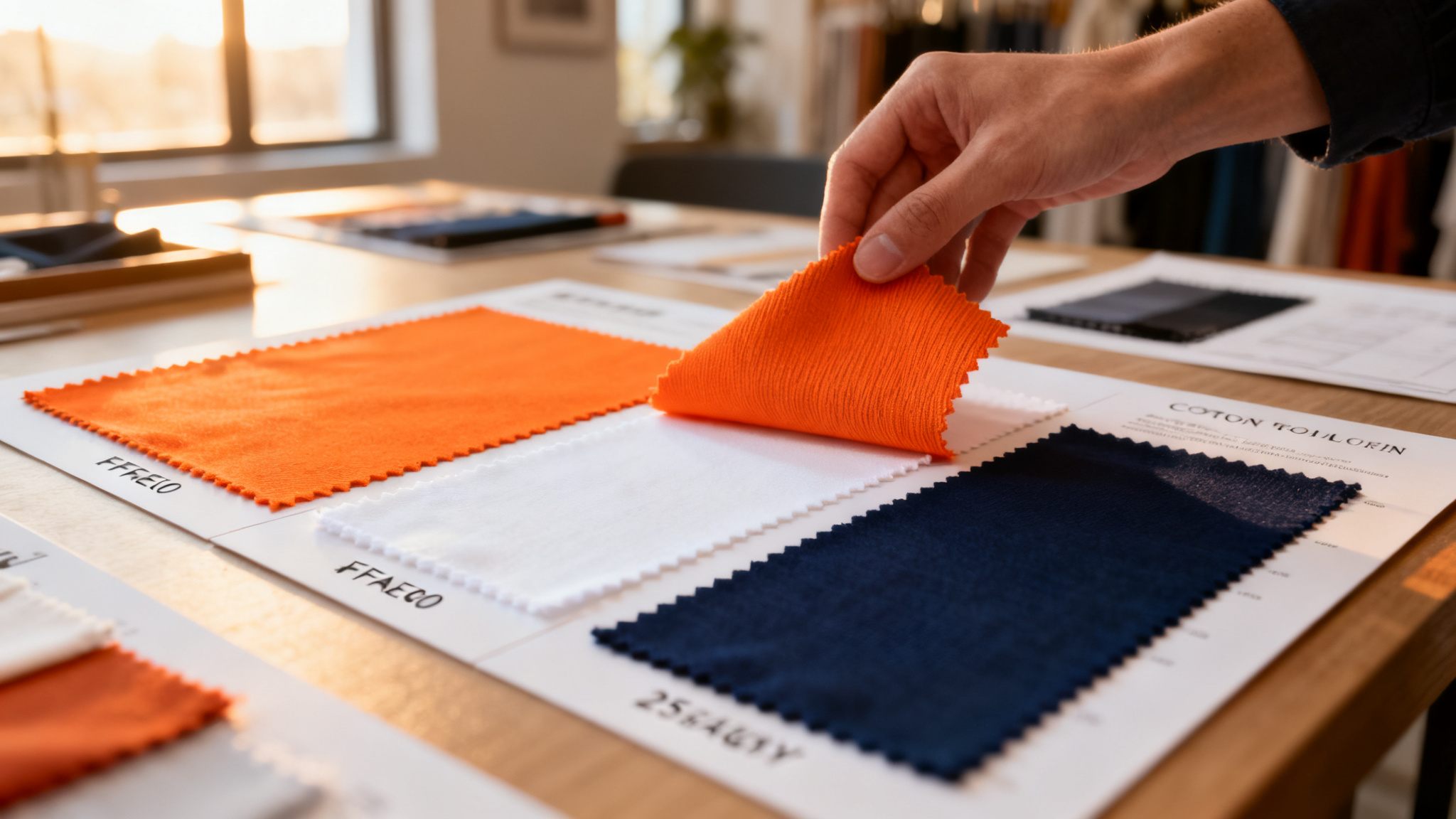
Below are the five questions that matter most when you specify fabric for a premium drop — from the fibre itself to how you verify a mill's cloth before you commit to bulk.
Start with the base cloth, because everything else follows.
The strongest premium tee base is single jersey knit — a smooth, slightly stretchy knit made from combed cotton, favoured for heavyweight tees because it drapes well and takes print and embroidery cleanly.2
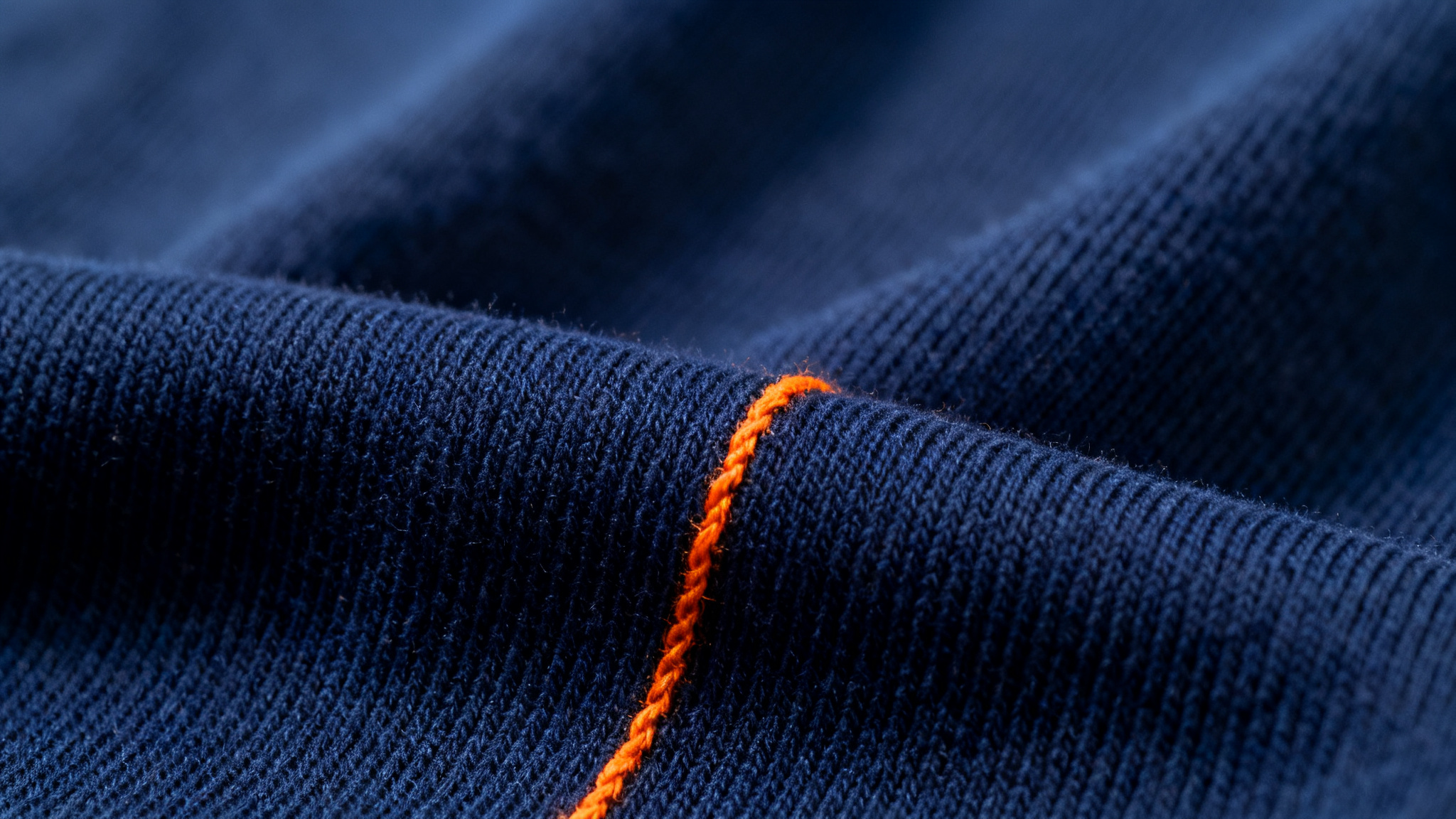
Jersey knit is the workhorse of streetwear, but premium versions differ sharply from commodity ones: longer-staple cotton, tighter knitting and controlled finishing give a denser, softer hand-feel that holds shape after washing. Some brands layer in french terry, heavy waffle or brushed fleece for hoodies and heavier tops. The point is that the cloth, not the cut alone, sets the perceived quality — so specify the knit type explicitly in your tech pack.
Weight is the quickest signal buyers read with their hands.
GSM — grams per square metre — is the standard measure of fabric weight, and premium streetwear tees typically sit between 220 and 300 GSM, giving a substantial, opaque drape that lighter 150-180 GSM blanks cannot match.3
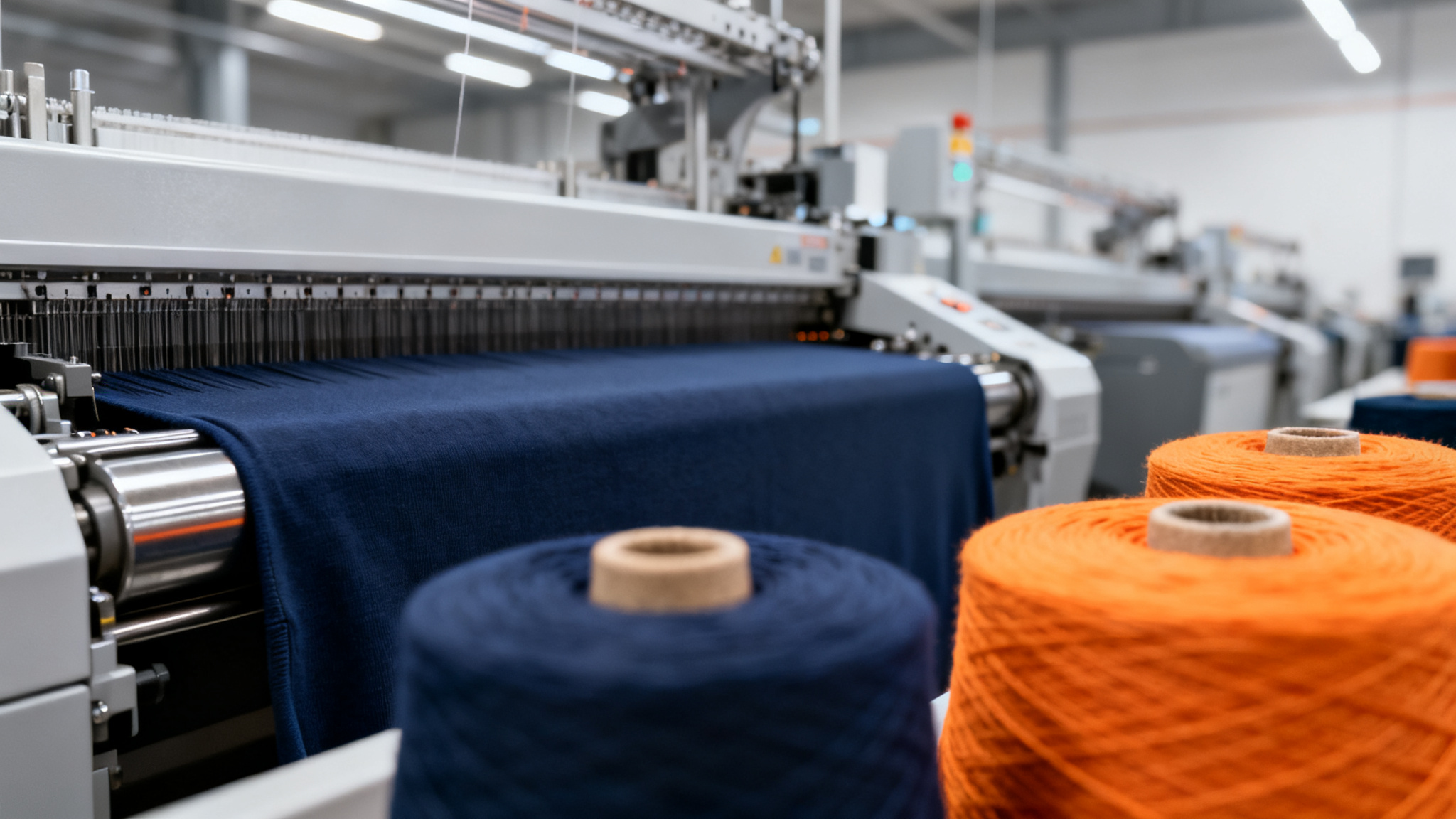
Heavier cloth reads as more expensive because it feels more expensive: it resists see-through, hangs with structure and survives more wash cycles. Heavier is not automatically better, though — very heavy cotton can feel stiff and hot, and it costs more per unit. Match the weight to the design: a boxy 240-260 GSM tee for everyday premium, 280-300 GSM for a statement heavyweight, and lighter weights for summer capsules.
What is the difference between combed, ring-spun and open-end cotton?
How the yarn is spun changes the surface of the finished tee.
Ring-spun cotton is spun from longer fibres under tension to create a finer, stronger, smoother yarn, and combed ring-spun cotton removes short fibres and impurities for an even softer hand-feel than open-end yarn.4
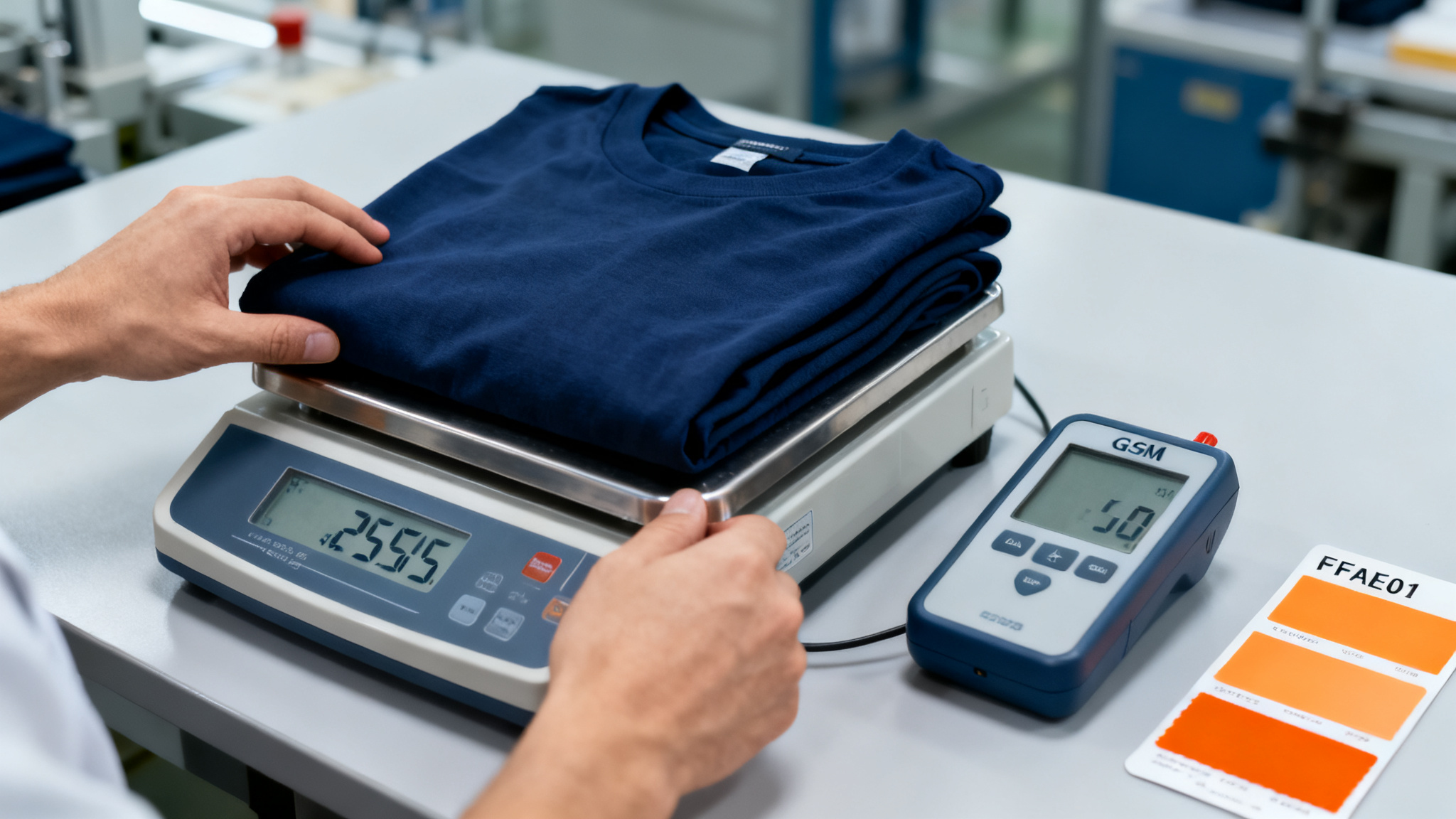
Open-end (rotor) yarn is cheaper and coarser — fine for promotional tees but noticeably rougher for a premium product. Combed ring-spun yarn costs more and yields a cleaner, more durable surface that prints crisply and softens rather than pills. Ask suppliers to state the yarn type and cotton origin in writing, because the words "100% cotton" alone say nothing about how the tee will feel in a customer's hands.
Blends are tools, not automatically shortcuts.
Blending cotton with fibres such as viscose, modal or a small share of elastane adds drape, sheen or stretch that pure cotton lacks, while too much synthetic content quickly pushes a tee towards a cheaper feel.5
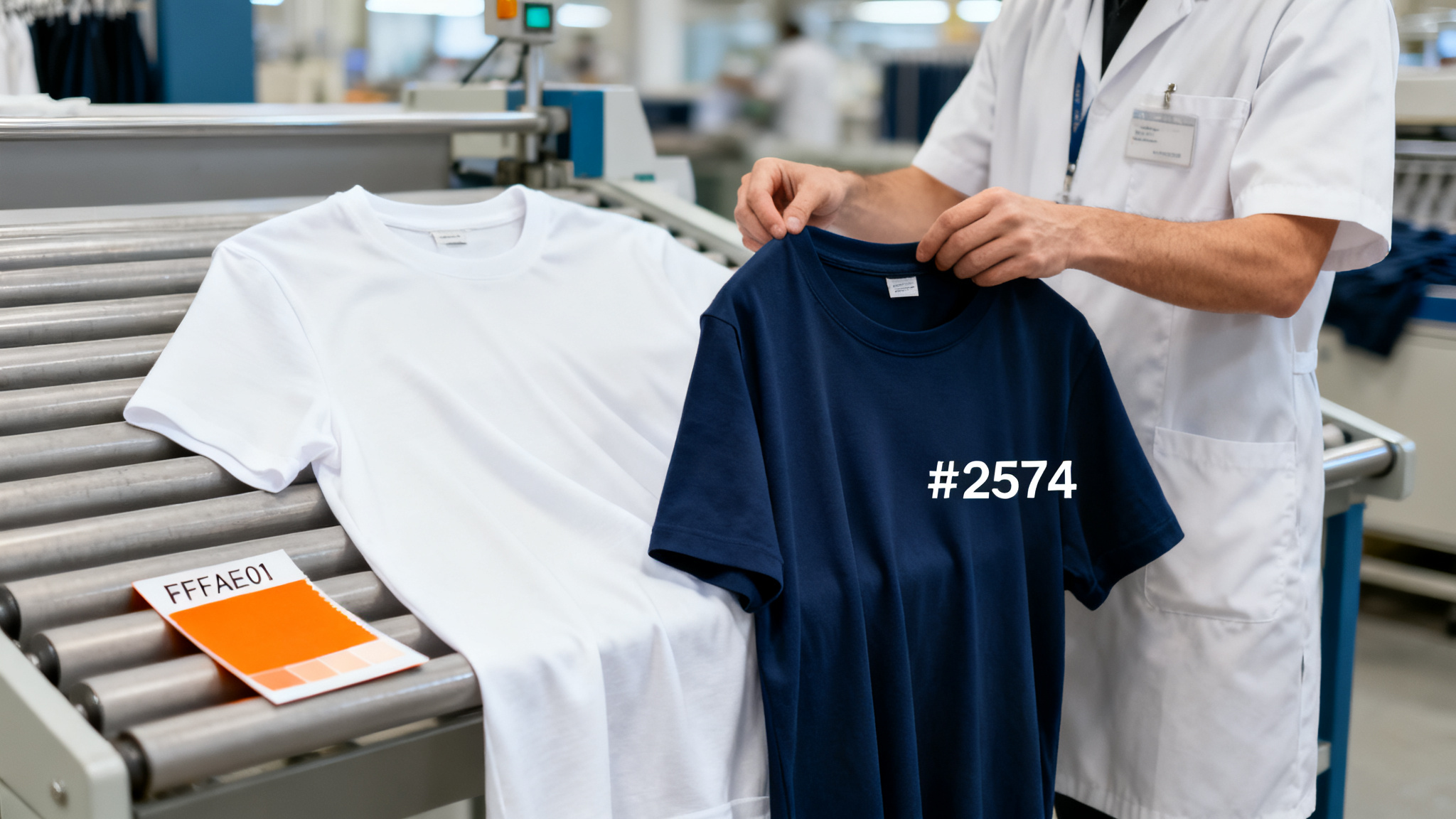
A 90/10 cotton-poly blend reduces shrinkage and cost; cotton-viscose adds a soft, flowing drape some premium labels love; a few percent elastane gives recovery so the tee holds its shape. Keep synthetic content low, keep the cotton premium, and always test the blend for pilling, colour retention and shrinkage. If sustainability is part of your positioning, confirm the fibre and dye claims your customers will see on the label.
How do you verify fabric quality before bulk production?
Specifications you cannot check are only promises.
Verify fabric with lab or in-house tests for weight, shrinkage, colourfastness and pilling, and approve a physical swatch and pre-production sample against a written spec before bulk cloth is cut.6
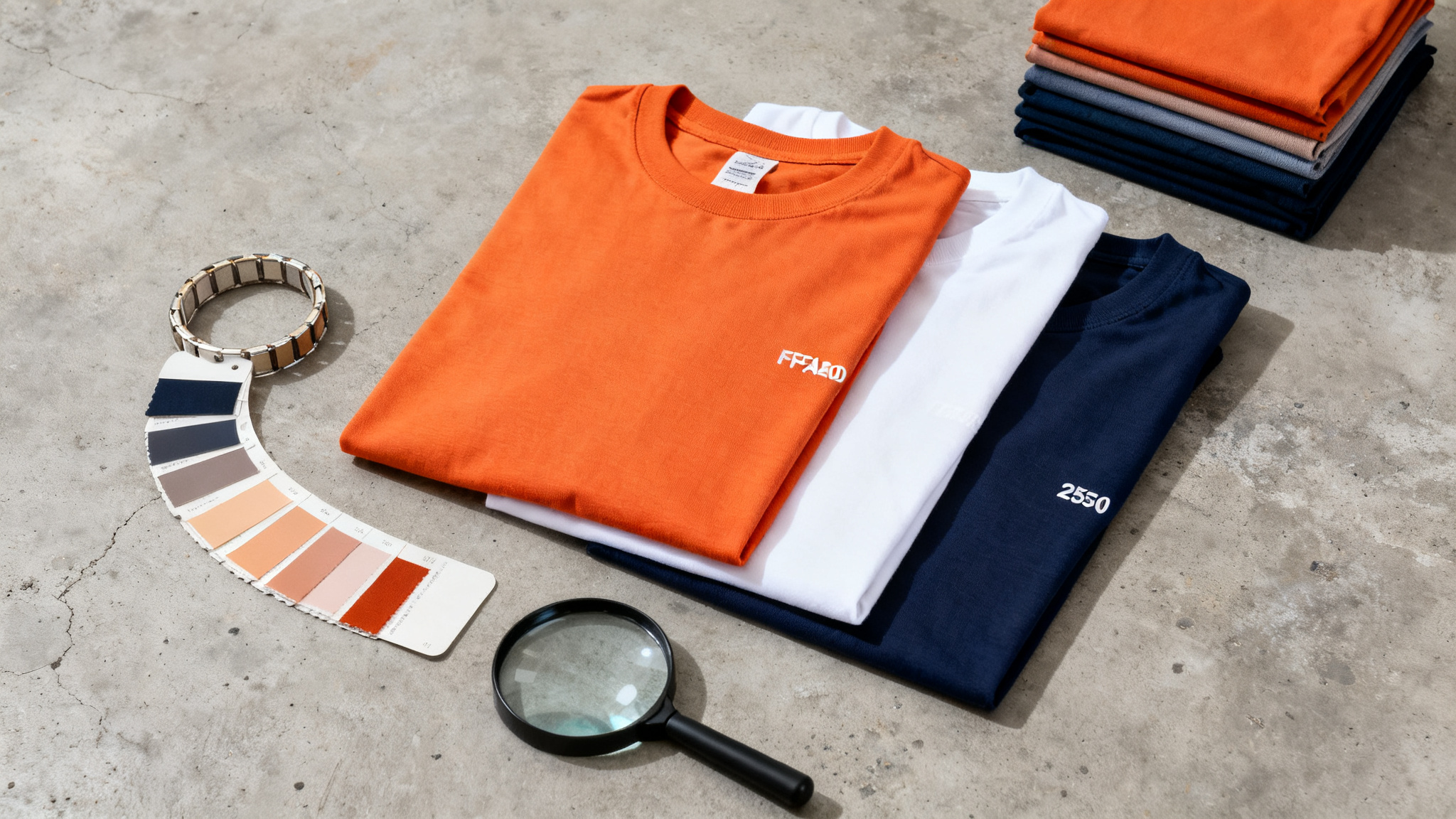
Agree the fabric spec up front — fibre content, yarn type, GSM, colour standard and shrinkage tolerance — and tie your inspector's checks to it. Keep a signed-off swatch as the reference so a mid-run substitution cannot slip through. A partner that welcomes this testing is a good sign; one that resists it rarely produces the premium hand-feel your brand is paying for, so make verification a condition of every order.
Conclusion
Premium streetwear t-shirts are built from the cloth up: combed ring-spun cotton, a considered 220-300 GSM weight, the right blend for drape or stretch, and a finish that survives real washing. Specify the fabric in writing, approve a swatch, and verify before bulk so what your customers feel matches what you promised. When you are ready to put it into production, explore our custom t-shirt manufacturing or talk to our team about the fabrics behind your next drop.
"Cotton - Wikipedia", https://en.wikipedia.org/wiki/Cotton. Reference material on cotton explains the fibre's properties, grades and processing that shape the softness and durability of cotton fabric. Evidence role: context; source type: encyclopedia. Supports: The claim that cotton fibre quality underpins a premium t-shirt. Scope note: Cotton quality varies widely by origin, grade and processing. ↩
"Jersey (fabric) - Wikipedia", https://en.wikipedia.org/wiki/Jersey_(fabric). Descriptions of jersey knit explain its looped structure, stretch and drape that make it the standard knit for t-shirts. Evidence role: mechanism; source type: encyclopedia. Supports: The recommendation of single jersey as the core premium tee fabric. Scope note: Jersey quality depends on yarn, gauge and finishing. ↩
"Units of textile measurement - Wikipedia", https://en.wikipedia.org/wiki/Units_of_textile_measurement. References on textile measurement define GSM (grams per square metre) and related units used to specify fabric weight. Evidence role: definition; source type: encyclopedia. Supports: The guidance that premium tees typically sit around 220-300 GSM. Scope note: Ideal weight is design-dependent and not a fixed rule. ↩
"Ring spinning - Wikipedia", https://en.wikipedia.org/wiki/Ring_spinning. References on ring spinning describe how the process twists fibres into finer, stronger yarn compared with open-end spinning. Evidence role: mechanism; source type: encyclopedia. Supports: The comparison of ring-spun and combed cotton against open-end yarn. Scope note: Yarn performance also depends on fibre length and finishing. ↩
"Viscose - Wikipedia", https://en.wikipedia.org/wiki/Viscose. References on viscose describe the regenerated cellulose fibre's soft drape and sheen and how it is blended with cotton. Evidence role: mechanism; source type: encyclopedia. Supports: The explanation of how blends change drape, feel and stretch. Scope note: Blend ratios and fibre sourcing vary by mill and product. ↩
"Textile manufacturing - Wikipedia", https://en.wikipedia.org/wiki/Textile_manufacturing. Overviews of textile manufacturing cover the stages and quality checks from fibre to finished cloth. Evidence role: mechanism; source type: encyclopedia. Supports: The recommendation to test fabric and approve samples before bulk. Scope note: Specific test methods and tolerances vary by buyer and market. ↩
Ready to make this for your brand?
Adiwe manufactures custom T-shirts, hoodies, jackets, pants, shorts and shirts for brands worldwide — from 50 pcs per style and colour, with private labelling, three-stage QC and a physical sample you approve before bulk.
Custom Hoodie ManufacturingCustom T-Shirt Manufacturing