
Every streetwear brand hits the same fork early: specify 100% cotton or a cotton blend? The choice changes how a garment feels, how it fits after ten washes, how it takes print and embroidery, and what it costs — which is why it is worth getting right before you cut bulk fabric.
For streetwear, 100% cotton is the best default for tees and heavyweight tops because it feels premium, breathes well and takes print and embroidery cleanly, while a cotton blend — cotton mixed with polyester, viscose or a little elastane — is the better pick when you need stretch, shape retention or a lower price point.1
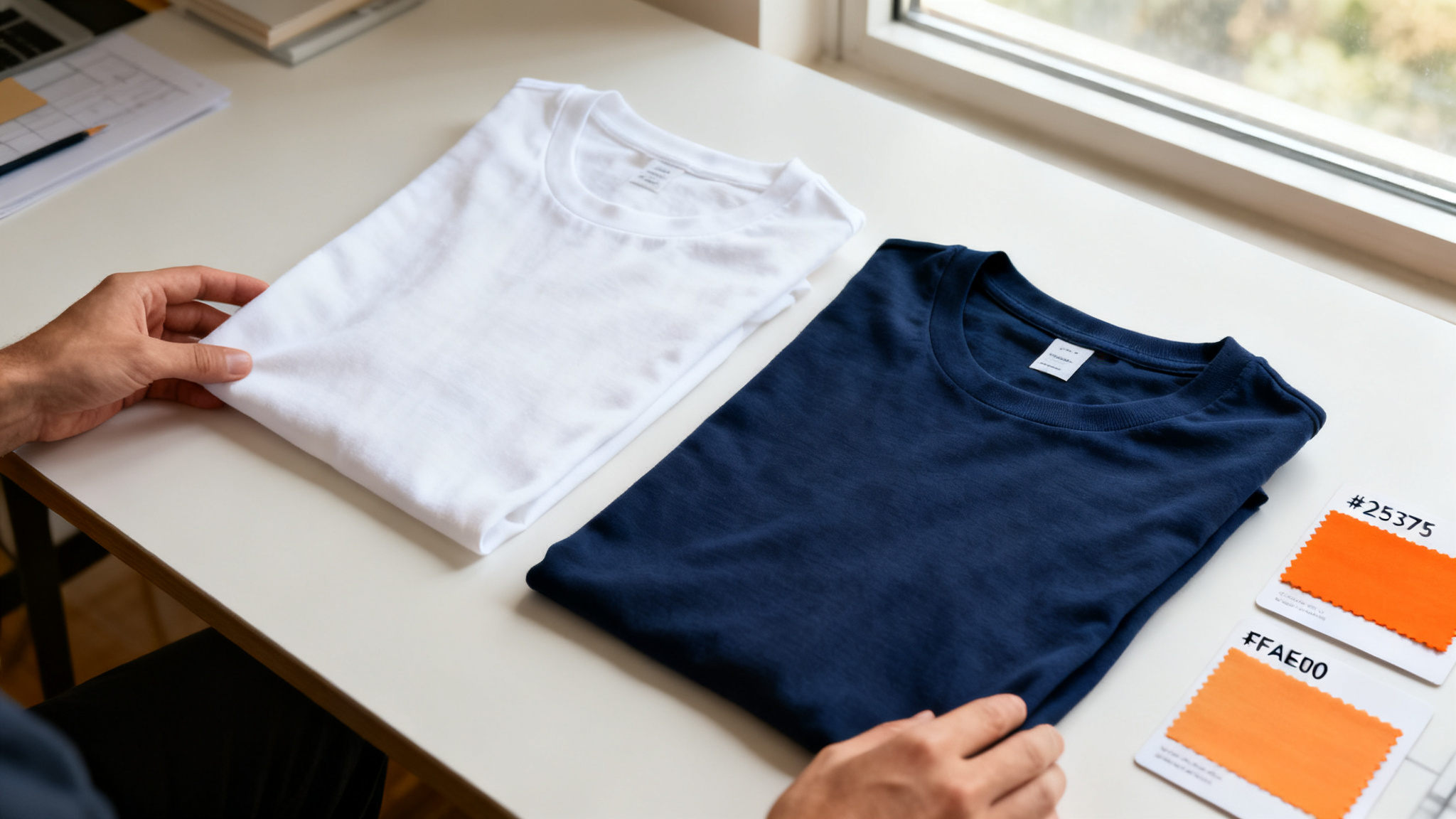
The five questions below work through what each fabric does, when to choose it, and how to lock in the decision so your supplier ships what your brand actually promised.
Is 100% cotton or a cotton blend better for streetwear?
Start with what each fabric is actually made of.
Neither is universally better: 100% cotton gives a natural, breathable, premium hand-feel that holds a brand's value, while a cotton blend trades a little of that natural feel for added stretch, durability, wrinkle resistance or cost savings depending on the garment.2
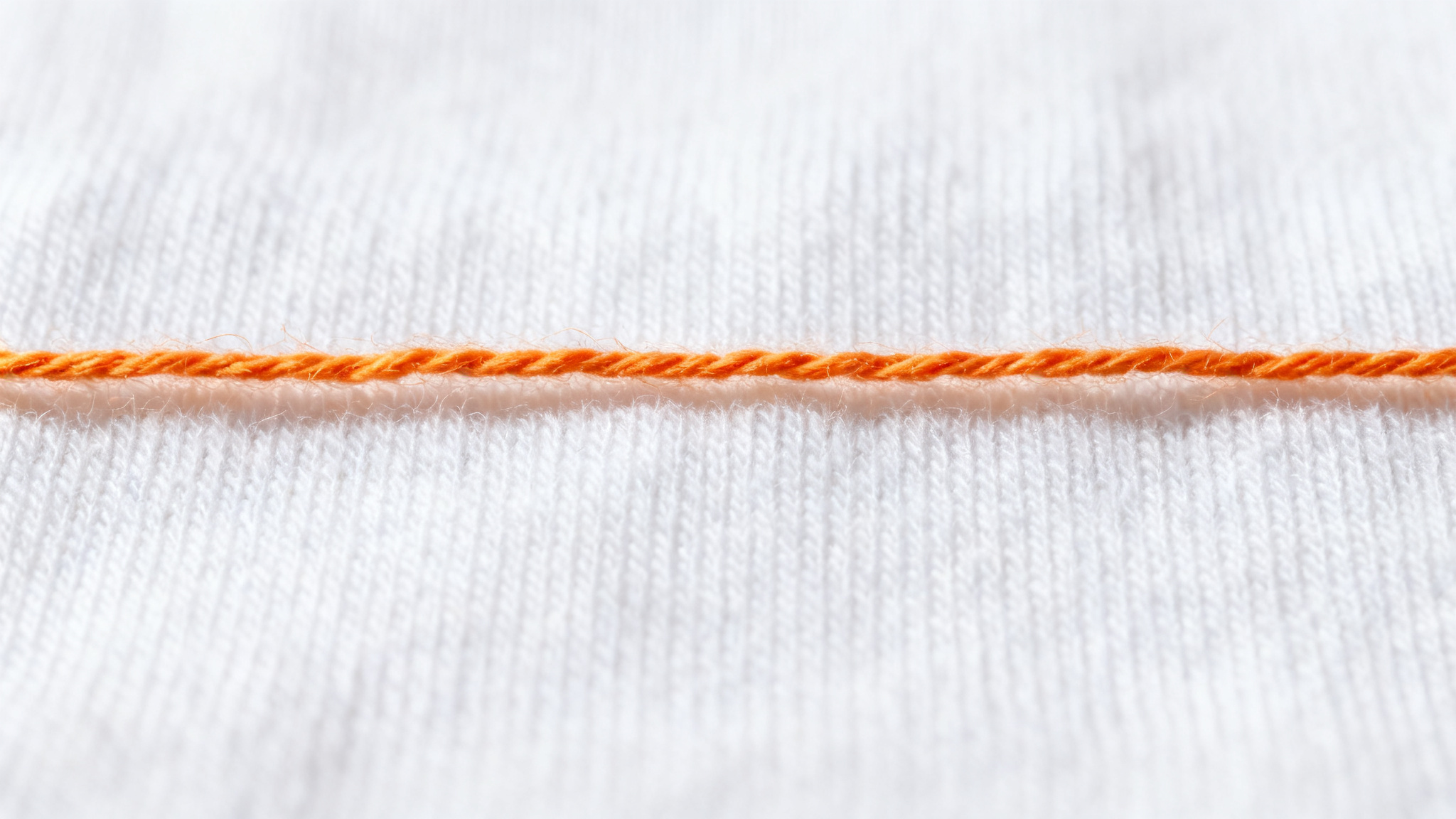
A cotton blend is any fabric where cotton is mixed with other fibres — commonly polyester for durability and lower cost, viscose for drape and sheen, or a few percent elastane for stretch. The right answer depends on what the garment has to do: a boxy heavyweight tee usually wants pure cotton, while a fitted performance tee, a stretchy hoodie cuff or a budget capsule may genuinely be better as a blend.
How does 100% cotton feel and wear compared to a cotton blend?
Feel and wear are the first things a customer judges.
100% cotton feels softer, breathes better and softens with age, while polyester-blended cotton resists shrinking and wrinkles, dries faster and is more durable but can feel slightly less natural and hold odour more than pure cotton.3
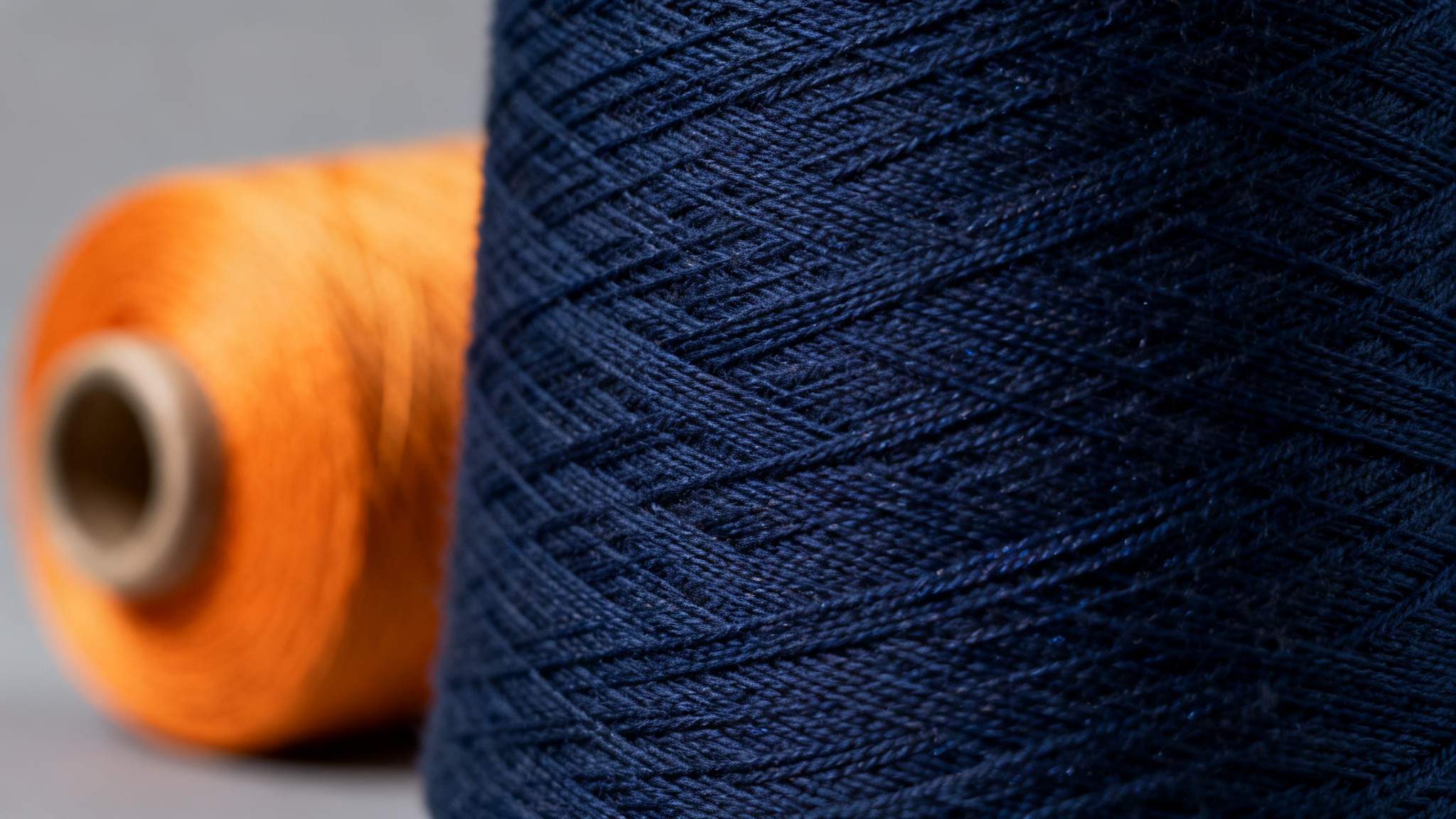
Pure cotton is the reference point for premium streetwear because its long staple fibres give a soft, dense hand-feel that reads as quality. Add polyester and the cloth becomes more dimensionally stable — it shrinks less, keeps its shape and costs less — but it can feel a touch cooler and less luxurious. This is exactly the trade-off premium labels manage: keep cotton dominant so the garment still feels like cotton, and use the blend fibre only for the property you actually need.
When should you choose a cotton blend instead of 100% cotton?
There are clear cases where a blend is the smarter engineering choice.
Choose a cotton blend when the product needs stretch or stretch-recovery — such as fitted tees, joggers and ribbed cuffs — where a small percentage of elastane lets the fabric move and spring back, something pure cotton alone cannot do.4
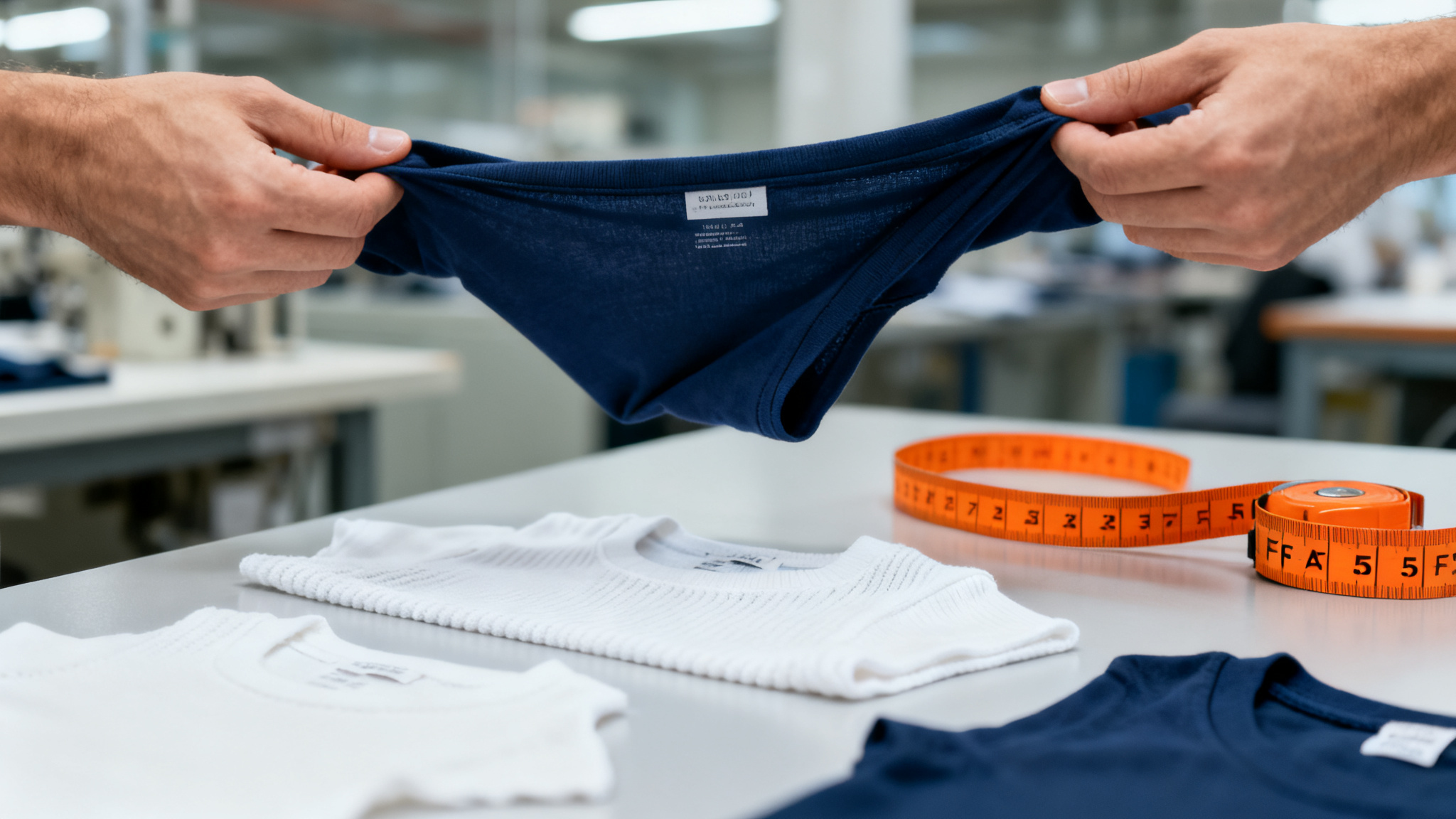
Beyond stretch, blends help when you need wrinkle resistance for travel-friendly pieces, faster drying for activewear, or a lower cost for a high-volume value line. They also help with drape: a cotton-viscose blend flows and hangs in a way that pure cotton often will not. The key is intent — use a blend because the garment needs the property, not simply to shave cost off a product that is supposed to feel premium.
How does cotton vs blend affect printing, embroidery and shrinkage?
The fibre choice changes how your decoration and sizing behave.
Pure cotton takes screen print, DTG and embroidery very reliably and shrinks predictably with the right pre-shrunk finish, while synthetic-containing blends can alter ink adhesion, colour depth and dye behaviour — and blends with elastane need gentler handling to avoid heat damage.5
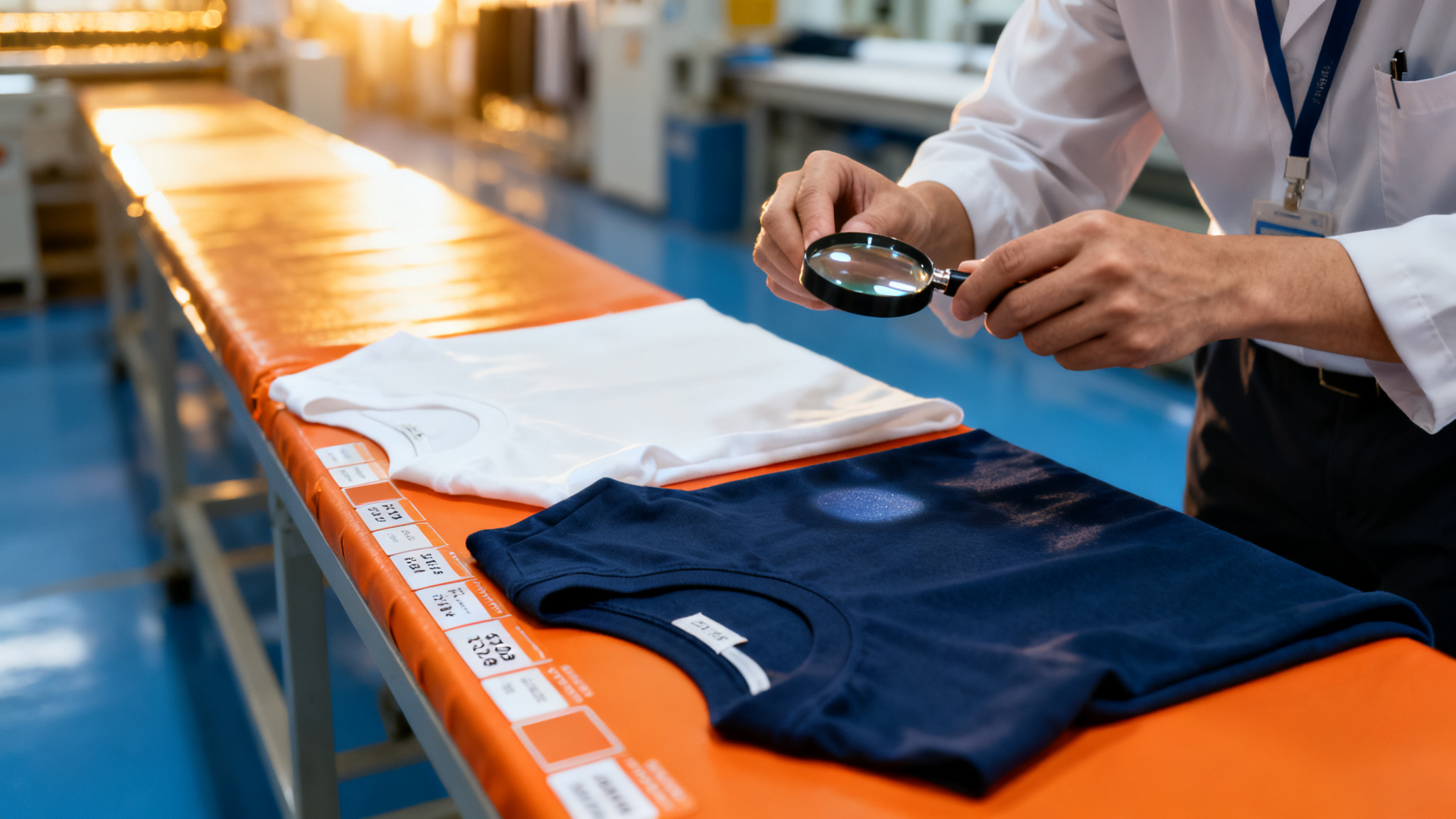
On 100% cotton, water-based and discharge prints sink into the fibre for a soft, vintage look, and embroidery stitches cleanly. On cotton-poly blends, plastisol tends to sit on the surface and colours can look brighter but less integrated, and some discharge effects will not work at all because polyester does not discharge. Shrinkage is the other variable: specify pre-shrunk or compacted cotton, or accept a controlled blend, and always confirm the expected shrinkage tolerance in your tech pack so final sizing is predictable.
How do you decide and verify the cotton vs blend choice before bulk?
The decision is only real once it survives a wash test.
Decide by matching the fibre to the garment's job, then verify with a physical swatch and a pre-production sample tested for shrinkage, colourfastness and pilling before bulk — the fibre content that ships must match the spec you signed off.6
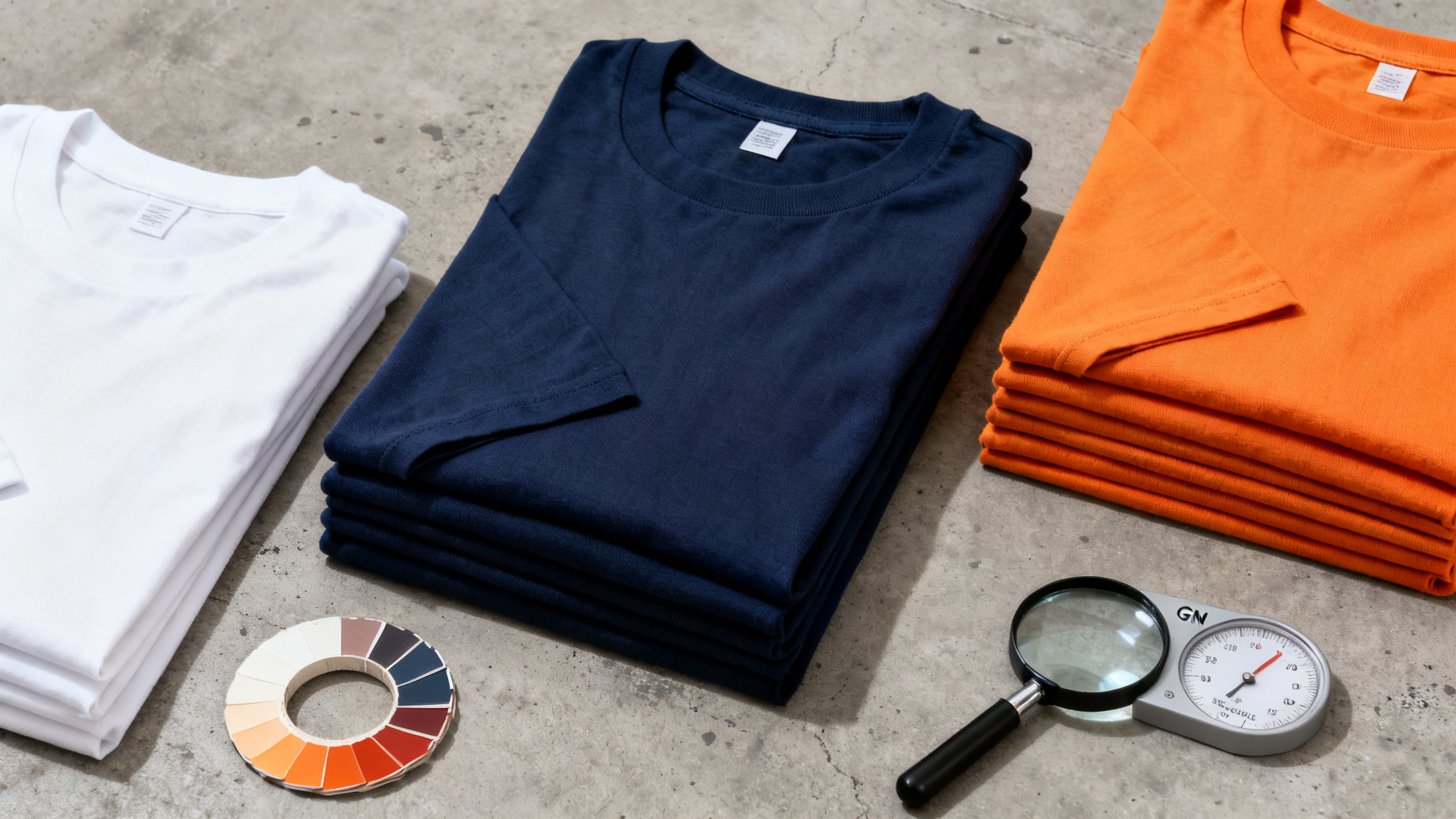
Write the fabric spec in plain numbers — cotton percentage, blend fibre and ratio, yarn type, GSM and shrinkage tolerance — and hold your supplier to it with a signed swatch and a wash-tested sample. A partner that welcomes this testing will protect your brand; one that resists it rarely delivers the hand-feel you paid for. Make verification a standard step of every drop, not a one-off favour.
Conclusion
For most streetwear, start with 100% cotton for its premium feel, breathability and clean decoration, and reach for a cotton blend when the garment genuinely needs stretch, shape retention, easier care or a lower price point. Whichever way you go, specify the exact fibre ratio and finish in writing, approve a swatch, and test before bulk so the fabric your customers feel is the fabric you designed. When you are ready to put it into production, explore our custom clothing manufacturing or talk to our team about the fabrics behind your next drop.
"Cotton - Wikipedia", https://en.wikipedia.org/wiki/Cotton. Reference material on cotton explains the fibre's properties, grades and processing that shape the softness, breathability and durability of cotton fabric. Evidence role: context; source type: encyclopedia. Supports: The claim that 100% cotton underpins a premium, breathable streetwear garment. Scope note: Cotton quality varies widely by origin, grade and processing. ↩
"Blend (textile) - Wikipedia", https://en.wikipedia.org/wiki/Blend_(textile). References on textile blends describe how mixing fibres combines their properties and why blended yarns are used in apparel. Evidence role: definition; source type: encyclopedia. Supports: The explanation of what a cotton blend is and why brands choose one. Scope note: Blend ratios and properties vary by mill and end use. ↩
"Polyester - Wikipedia", https://en.wikipedia.org/wiki/Polyester. References on polyester describe the synthetic fibre's strength, wrinkle resistance, fast drying and lower moisture absorbency compared with natural fibres. Evidence role: mechanism; source type: encyclopedia. Supports: The comparison of how cotton-poly blends wear versus pure cotton. Scope note: Performance depends on blend ratio and fabric construction. ↩
"Spandex - Wikipedia", https://en.wikipedia.org/wiki/Spandex. References on spandex (elastane) explain its high elasticity and use in small percentages to give fabrics stretch and recovery. Evidence role: mechanism; source type: encyclopedia. Supports: The recommendation to use a blend with elastane when a garment needs stretch. Scope note: Elastane content is usually small and adds cost and care considerations. ↩
"Viscose - Wikipedia", https://en.wikipedia.org/wiki/Viscose. References on viscose describe the regenerated cellulose fibre's soft drape, sheen and moisture behaviour when blended with cotton. Evidence role: mechanism; source type: encyclopedia. Supports: The explanation of how blends change drape and handling versus pure cotton. Scope note: Fibre sourcing, dye behaviour and care vary by product. ↩
"Textile manufacturing - Wikipedia", https://en.wikipedia.org/wiki/Textile_manufacturing. Overviews of textile manufacturing cover the stages and quality checks from fibre to finished cloth. Evidence role: mechanism; source type: encyclopedia. Supports: The recommendation to verify fibre content, shrinkage and colourfastness before bulk. Scope note: Specific test methods and tolerances vary by buyer and market. ↩
Ready to make this for your brand?
Adiwe manufactures custom T-shirts, hoodies, jackets, pants, shorts and shirts for brands worldwide — from 50 pcs per style and colour, with private labelling, three-stage QC and a physical sample you approve before bulk.
Custom Hoodie ManufacturingCustom T-Shirt Manufacturing