
An oversized t-shirt lives or dies on fabric weight. The same boxy pattern sewn in 160 GSM jersey collapses into a limp, clingy sack, while the same pattern in 280 GSM cotton stands away from the body and holds the shape your lookbook promised. Weight is the single variable that decides whether an oversized tee reads premium or cheap.
For an oversized t-shirt, choose 240–320 GSM cotton jersey, with 260–300 GSM the sweet spot: heavy enough to hold a boxy shape and drape cleanly, light enough to stay wearable.1
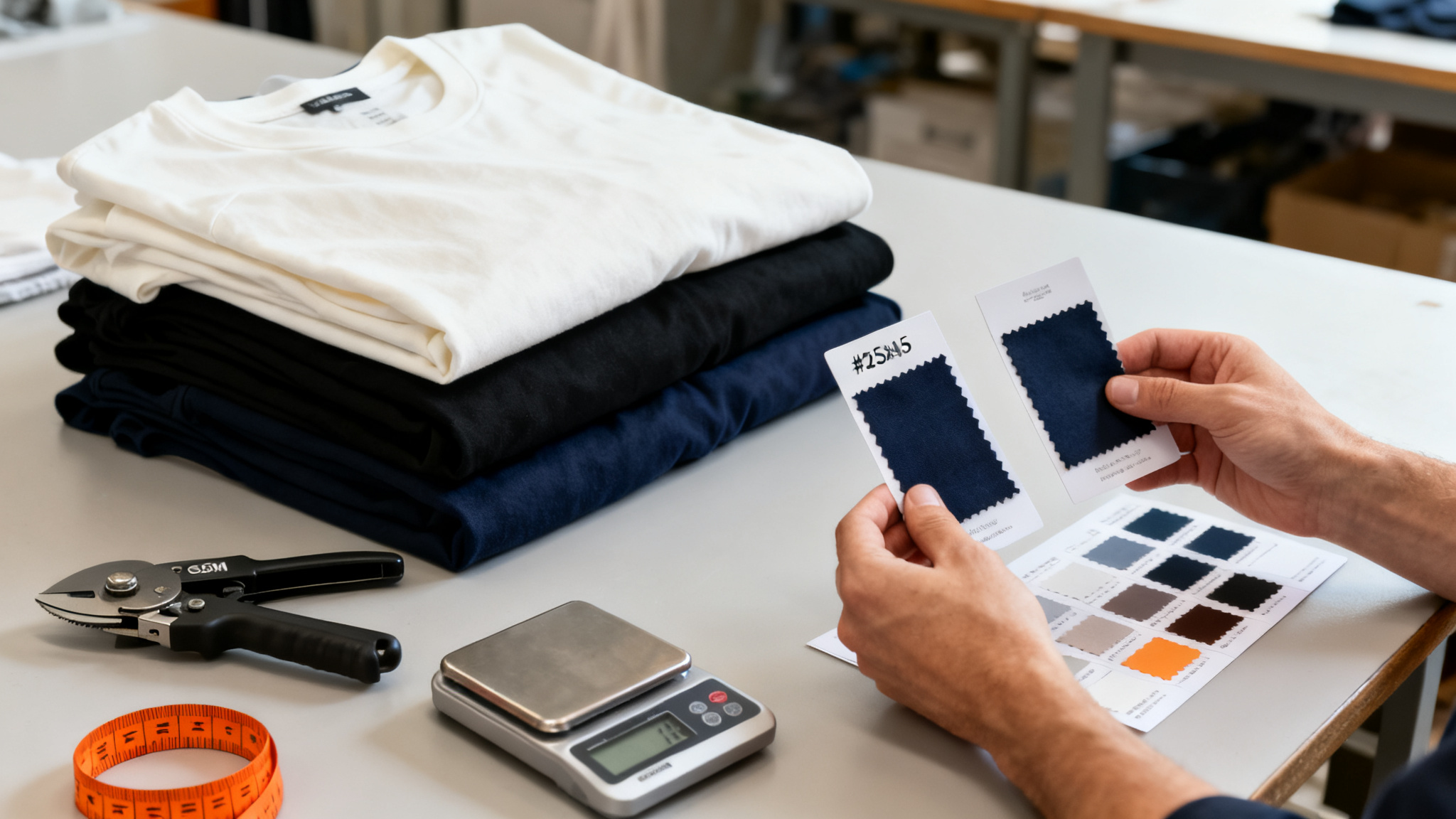
Below is how to pick the number for your silhouette, your season and your price point — and how to check that the fabric you approve is the fabric you receive.
What fabric weight is best for an oversized t-shirt?
Most oversized tees fail for one reason: the fabric is too light for the volume of the pattern.
The best fabric weight for an oversized t-shirt is 240–320 GSM, with 260–300 GSM ideal for a structured boxy drape that keeps its shape without feeling like outerwear.2
Oversized fits add fabric volume across the chest, shoulder and sleeve, so every weakness in the cloth is magnified. A 160–180 GSM jersey that looks fine on a fitted tee will hang flat and show the body underneath once it is cut 10 cm wider. Moving to 260–300 GSM gives the garment enough body to fall in clean vertical folds, hold a dropped shoulder line, and survive repeated washing without going translucent. Above roughly 320 GSM you enter hoodie-territory jersey that feels stiff on bare skin and gets expensive fast, which is why 280 GSM is the most common premium streetwear choice.
Why does GSM matter more on an oversized silhouette?
Volume changes the physics of how cloth hangs.
Heavier jersey resists gravity-driven cling, so a 260–300 GSM knit drapes in structured folds instead of collapsing against the torso the way a 180 GSM knit does.3
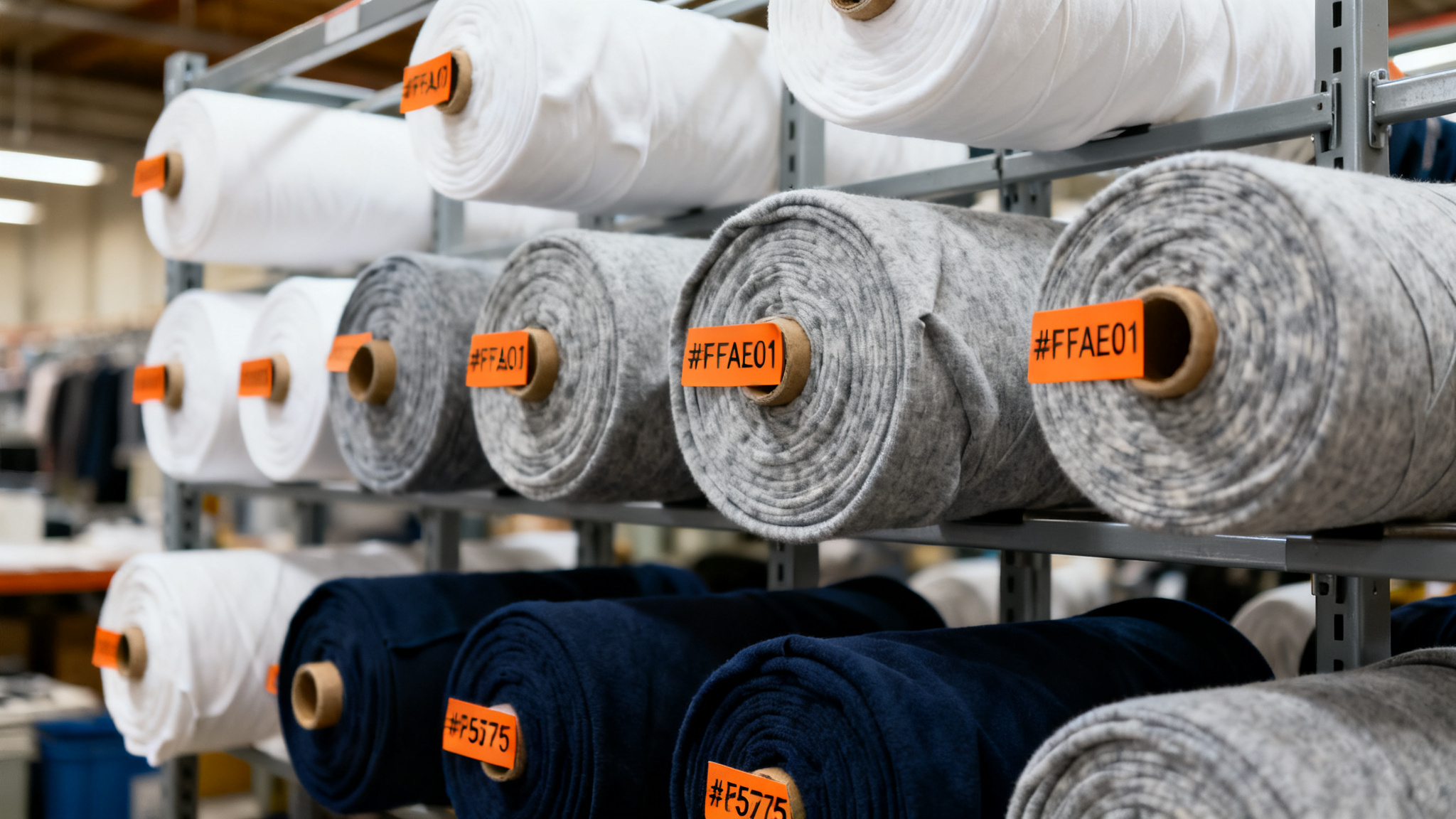
A fitted tee is supported by the body; an oversized tee is supported by its own fabric. That is why weight, not just width, determines whether the silhouette reads as intentional. Heavier knits also hide construction details that lighter fabric exposes: an uneven hem, a twisted side seam or a puckered neckline all become visible when the cloth is thin and the seams have nothing to sit against. The trade-off is drape softness — very heavy cotton needs a garment wash or enzyme finish to avoid feeling board-stiff out of the bag.
How does fabric weight change fit and shrinkage on an oversized tee?
Weight affects more than how the shirt looks on day one.
Heavier cotton knits generally shrink less in length than light single jerseys, but a 280–300 GSM tee can still lose 3–5% after the first wash unless it is pre-shrunk or garment-dyed.4
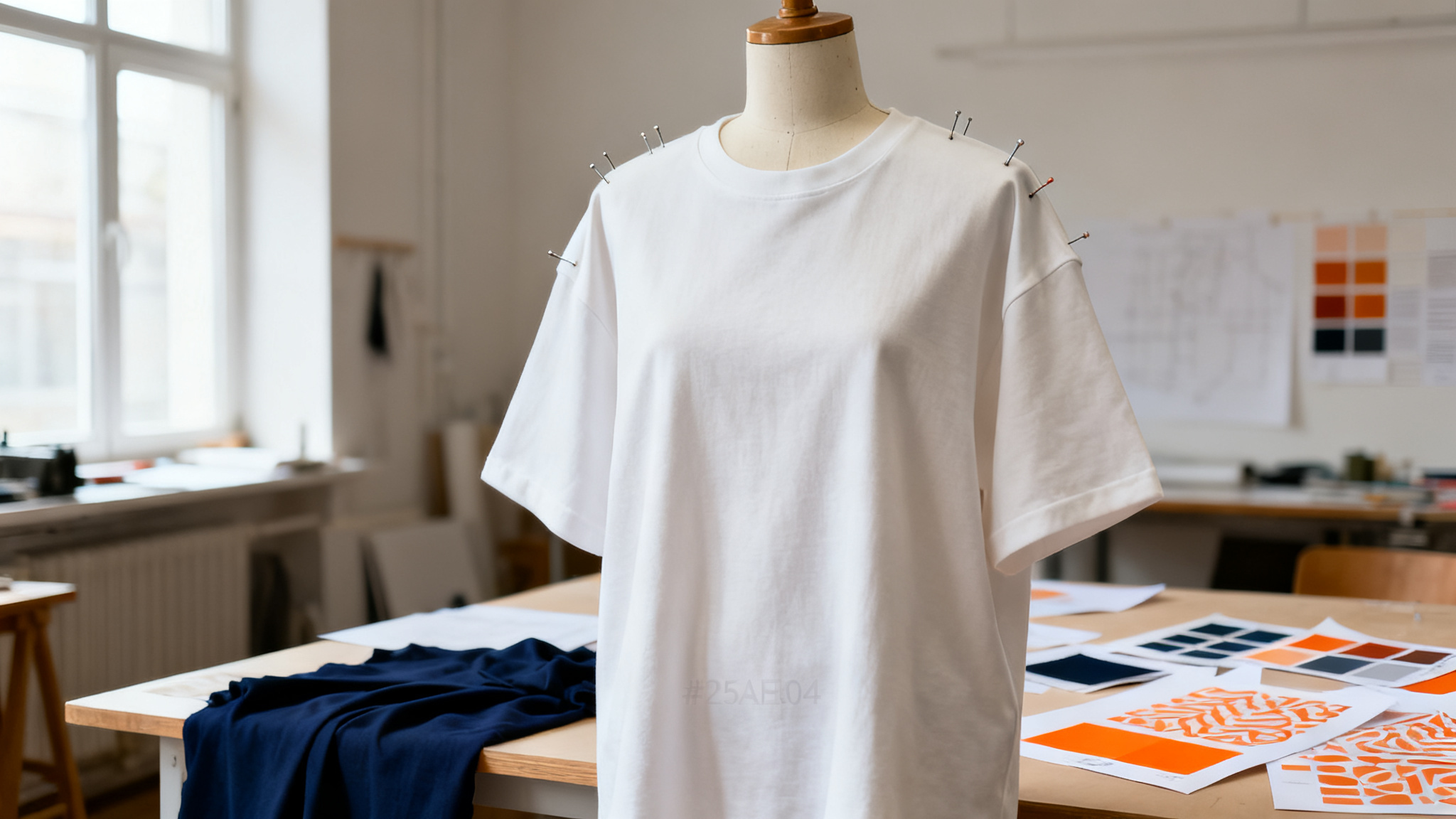
Because an oversized tee already sits at the edge of the wearer's tolerance for length, shrinkage matters disproportionately. A 2 cm drop in body length can turn a relaxed hem into a cropped one. Ask your factory for the finished measurement tolerance and the wash test result of the exact fabric lot, not a generic spec sheet. If the fabric is not pre-shrunk, cut the body 3–5% longer than the target measurement, and lock the pattern after the first wash test rather than after the first sample.
Which fabric weight should you pick for summer versus winter oversized tees?
Season decides how far you can push the weight.
For summer drops, 220–260 GSM keeps an oversized tee breathable; for winter and layering pieces, 280–320 GSM gives the structure and warmth that justify a premium price.5
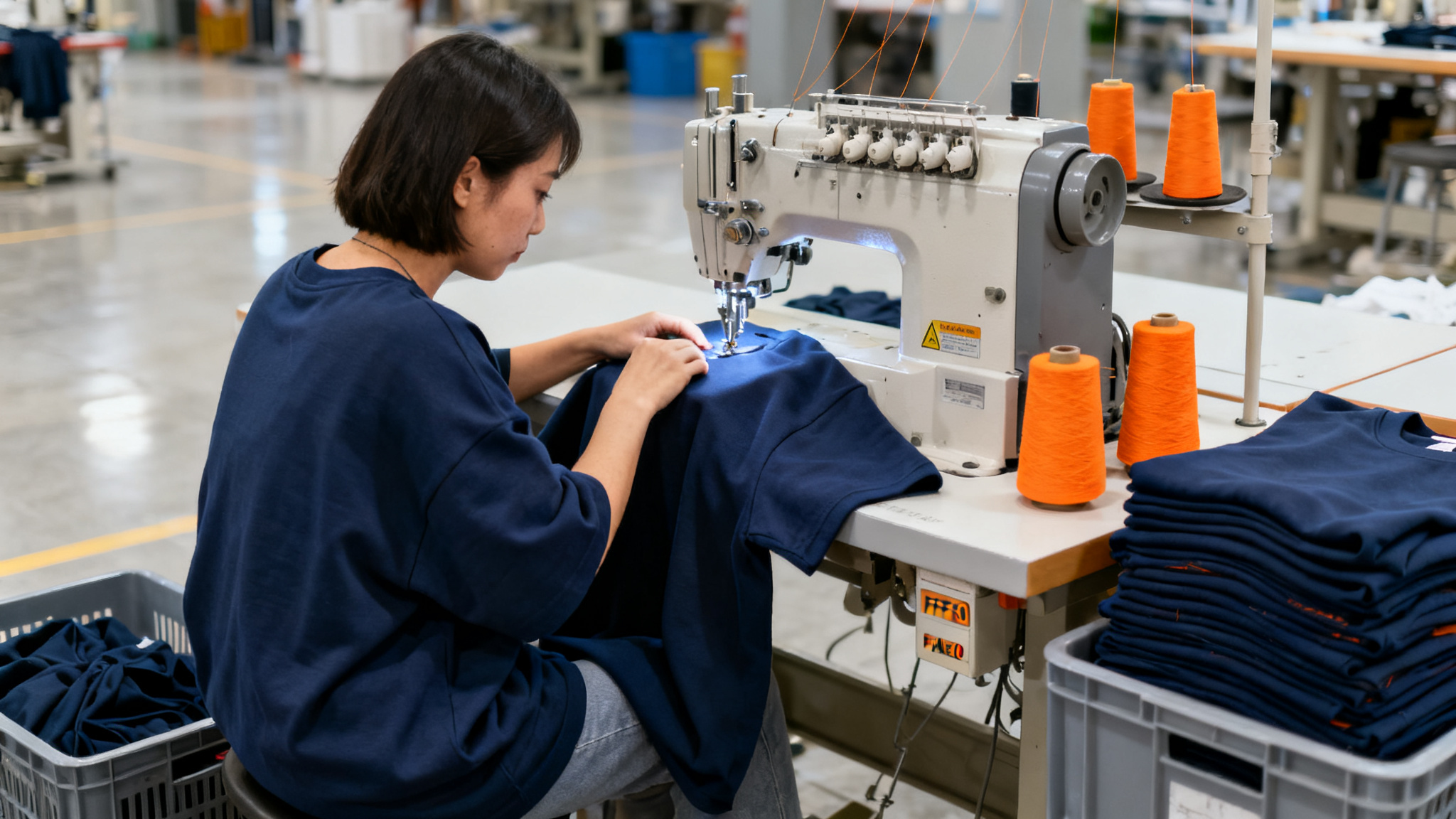
In hot, humid markets a 300 GSM tee becomes a sauna, and returns climb. A 230–250 GSM open-end or combed cotton jersey reads substantial on camera while staying comfortable in 30°C heat. In cooler markets, or for brands whose whole identity is the heavy boxy tee, 280–320 GSM is the product. Mid-weight 260 GSM is the safest single number if you ship globally and do not want to run two fabric qualities in your first season.
How do you verify fabric weight before bulk production?
Never approve a bulk order on the strength of a swatch alone.
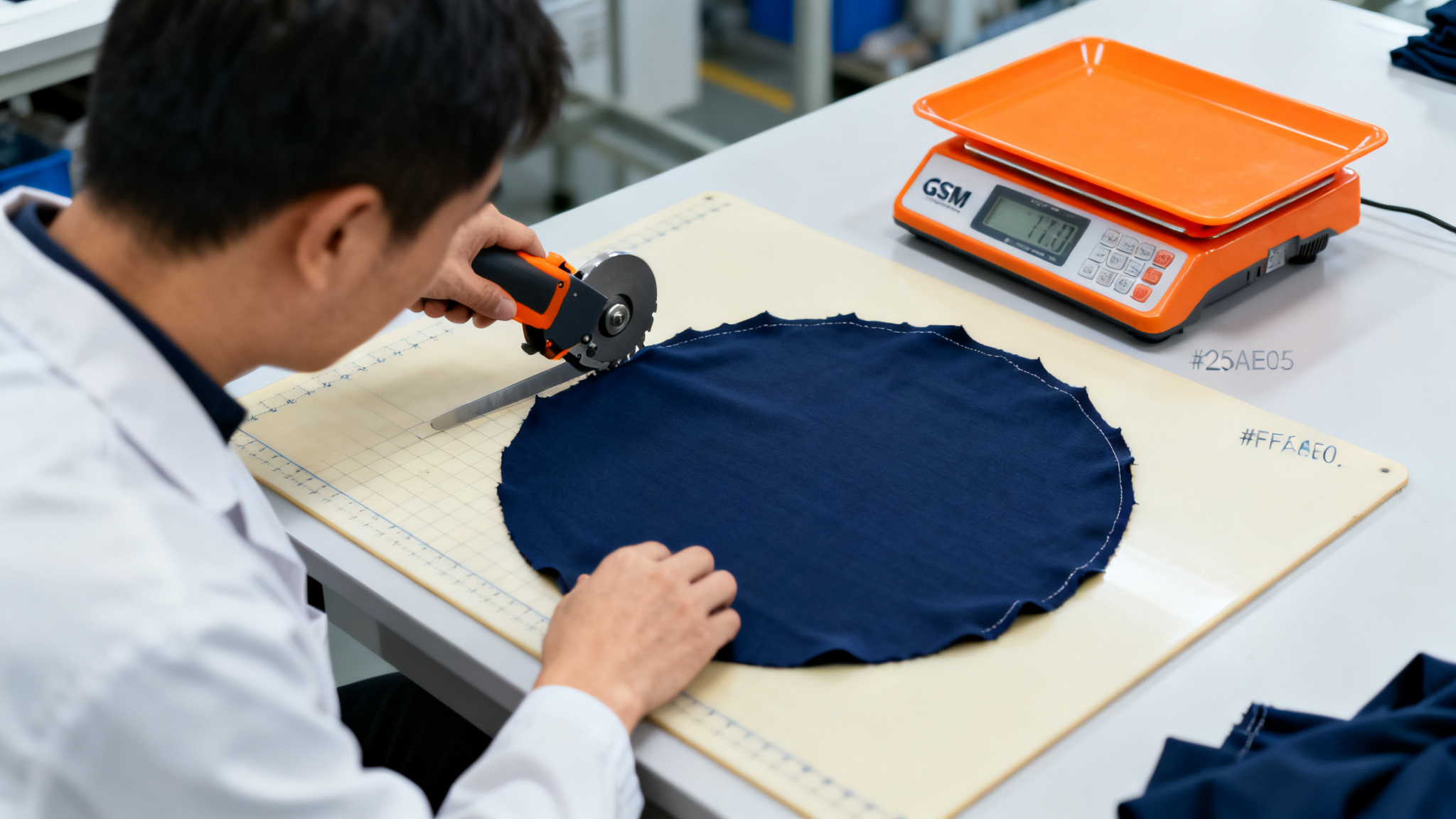
Verify weight with a GSM cutter and calibrated scale on fabric from the actual bulk lot, and accept a tolerance of about ±5% between the approved sample and production.6
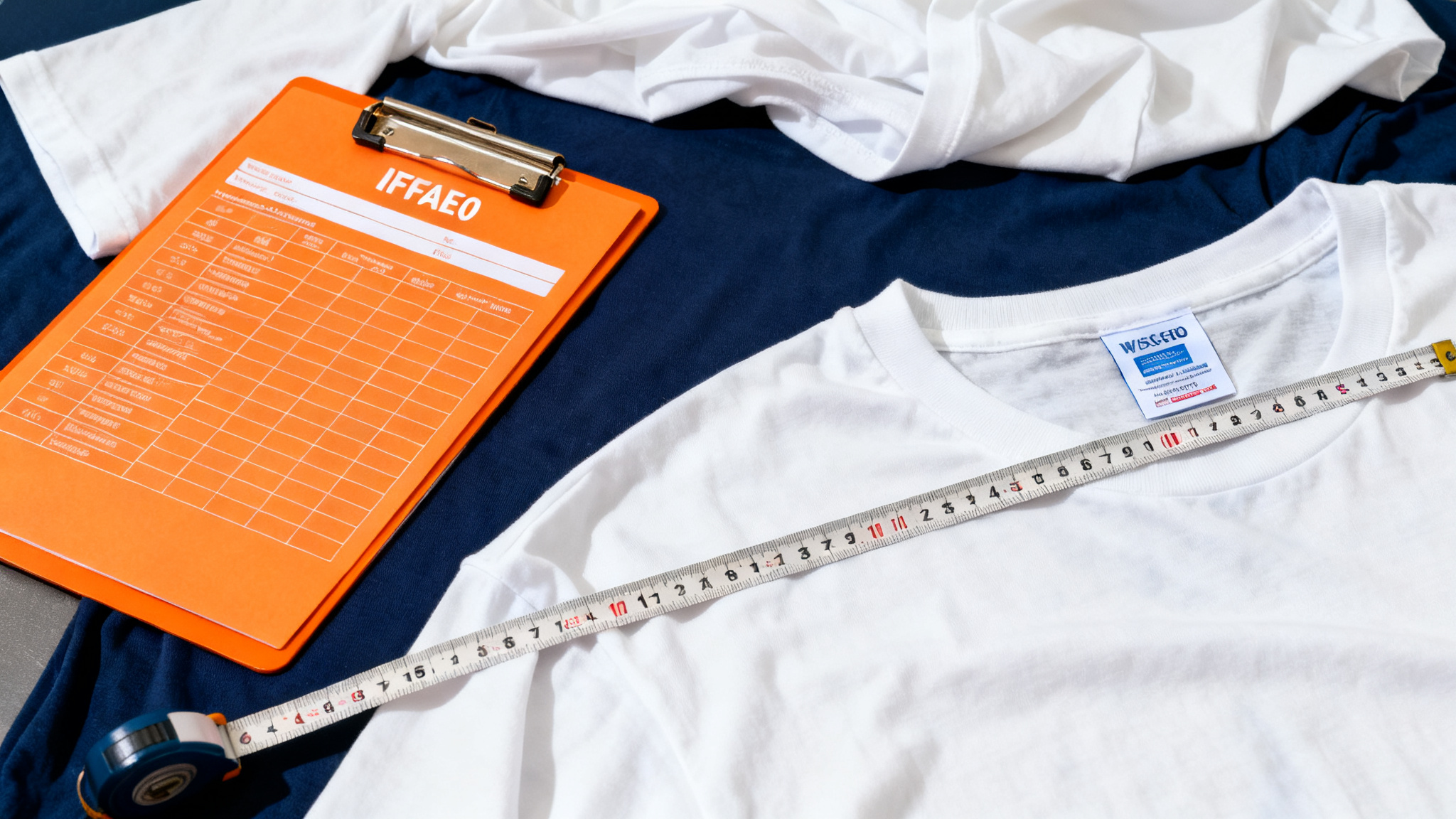
A circular GSM cutter removes a fixed 100 cm² sample, which is then weighed on a digital scale — a test any decent factory runs in minutes. Request the result in writing for the lot that will actually be cut, plus a wash-test report showing shrinkage and torque. Weight drift of 10% or more between sample and bulk is common when factories switch yarn suppliers mid-order, and it is the most frequent reason an oversized tee suddenly feels thin. For a deeper walkthrough of knit selection, see our guide to the best fabrics for premium streetwear t-shirts.
Conclusion
Fabric weight is the cheapest decision you will make and the hardest one to fix later. Pick 260–300 GSM for the classic structured oversized tee, drop to 230–250 GSM for hot-climate summer drops, and push to 300–320 GSM only when the garment is meant to feel heavy. Then verify it with a GSM cutter on the bulk lot, not the sample. If you want the fabric sourced, tested and cut to your spec in one place, Adiwe’s custom t-shirt manufacturing team can quote oversized programs from low MOQs — send your tech pack and target GSM and we will come back with options.
"Units of textile measurement", https://en.wikipedia.org/wiki/Units_of_textile_measurement. Reference table defining grams per square metre (GSM) as fabric mass per unit area and listing related yarn and fabric measurement units. Evidence role: general_support; source type: encyclopedia. Supports: the definition of GSM used throughout this article and the 240–320 GSM range framing. Scope note: explains the unit itself, not recommended weights for specific garments. ↩
"T-shirt", https://en.wikipedia.org/wiki/T-shirt. Overview of t-shirt construction, common knit fabrics and the relationship between fabric weight, drape and end use. Evidence role: general_support; source type: encyclopedia. Supports: the recommended 240–320 GSM range for oversized t-shirts and why weight drives structure. Scope note: general garment overview; does not give manufacturer-specific tolerances. ↩
"Jersey (fabric)", https://en.wikipedia.org/wiki/Jersey_(fabric). Describes single-knit jersey structure, its stretch and drape behaviour, and how heavier knits behave differently from light ones. Evidence role: general_support; source type: encyclopedia. Supports: the claim that heavier jersey resists cling and drapes in structured folds. Scope note: covers knit structure generally, not brand-specific streetwear patterns. ↩
"Cotton", https://en.wikipedia.org/wiki/Cotton. Reference on cotton fibre properties, yarn formation and the shrinkage behaviour of cotton textiles after washing. Evidence role: general_support; source type: encyclopedia. Supports: the 3–5% shrinkage estimate and the advice to pre-shrink or cut longer. Scope note: shrinkage varies by knit, yarn and finishing; treat the figure as a planning range. ↩
"Textile manufacturing", https://en.wikipedia.org/wiki/Textile_manufacturing. Covers fibre-to-fabric production stages including spinning, knitting, dyeing and finishing. Evidence role: general_support; source type: encyclopedia. Supports: how finishing and garment washing change the hand and performance of heavier knits. Scope note: industrial process overview; no seasonal weight recommendations. ↩
"Clothing sizes", https://en.wikipedia.org/wiki/Clothing_sizes. Explains body measurement, garment measurement and sizing tolerance conventions used in apparel production. Evidence role: general_support; source type: encyclopedia. Supports: the measurement-based verification approach and the ±5% tolerance framing. Scope note: focuses on sizing systems rather than fabric testing equipment. ↩
Ready to make this for your brand?
Adiwe manufactures custom T-shirts, hoodies, jackets, pants, shorts and shirts for brands worldwide — from 50 pcs per style and colour, with private labelling, three-stage QC and a physical sample you approve before bulk.
Custom Hoodie ManufacturingCustom T-Shirt Manufacturing