A brand prices a t-shirt at $35, does the math, and assumes the biggest line item is the garment itself. Then the first quote comes back higher than the retail math allows, and the second quote comes back half the price with vague spec sheets. Neither number is wrong, and neither is complete. Custom t-shirt manufacturing cost is a stack of ingredients that move in different directions, and until you can see each layer you cannot tell a fair quote from a cheap one that will hurt you at the reorder.
A custom t-shirt typically costs about $3 to $12 per piece to manufacture, with the final price set by fabric weight and quality, order quantity, the number of decoration techniques, and finishing details — and the per-piece price drops sharply as order size rises because setup costs are spread across more units.1
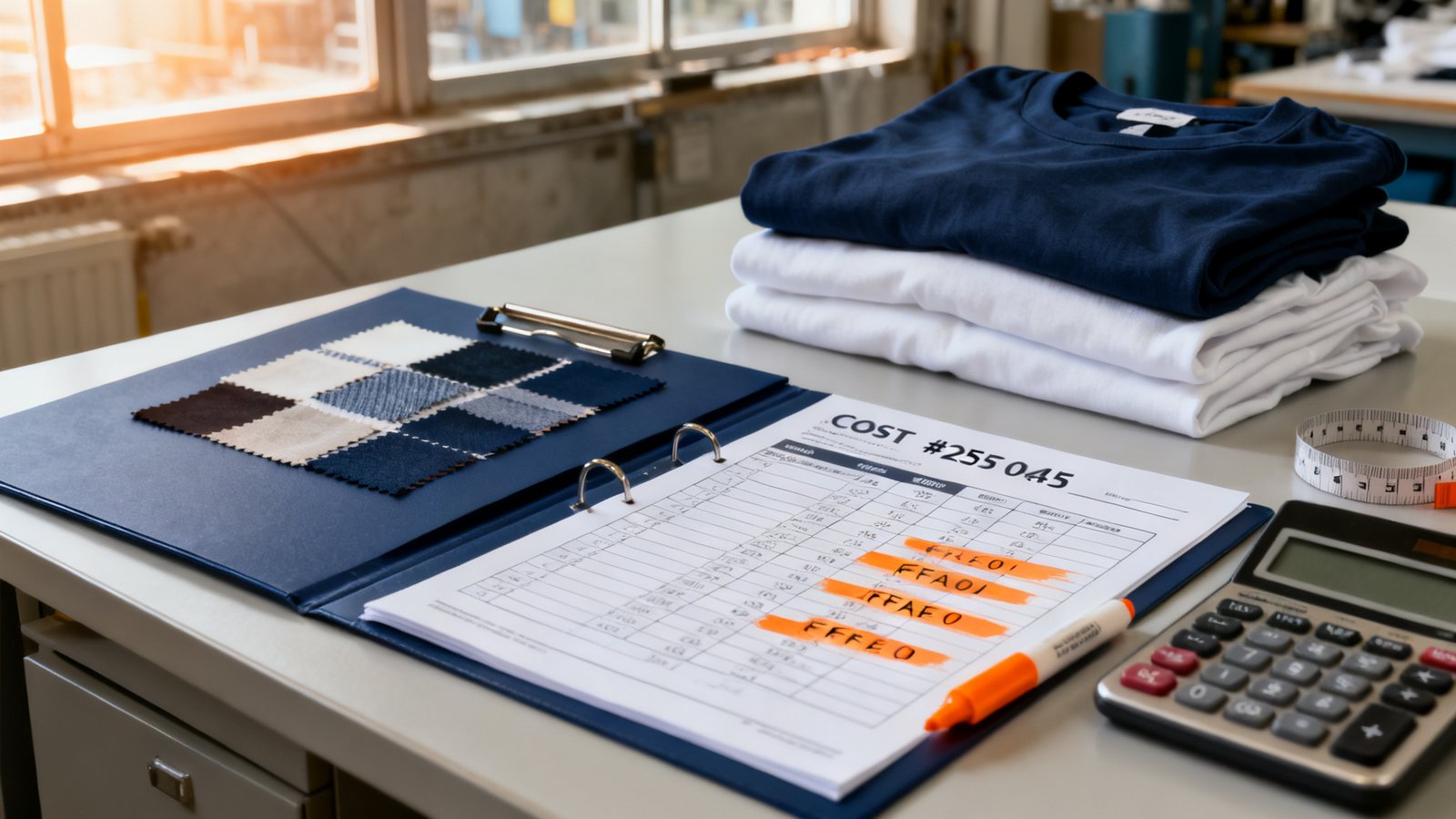
The useful way to think about it is as three layers: the blank garment, the decoration, and everything that happens between the two, from fabric inspection to finishing and packing. Each layer has a fixed part and a variable part, and the order size decides which one dominates.
What factors make up the cost of a custom t-shirt?
Before asking for a number, it helps to know which dials move that number.
The cost of a custom t-shirt is built from fabric (weight, fibre and colour), cutting and sewing labour, decoration (print, embroidery or both), trims and labels, quality control and finishing, plus freight and any import costs — with fabric and labour usually the two largest components.2
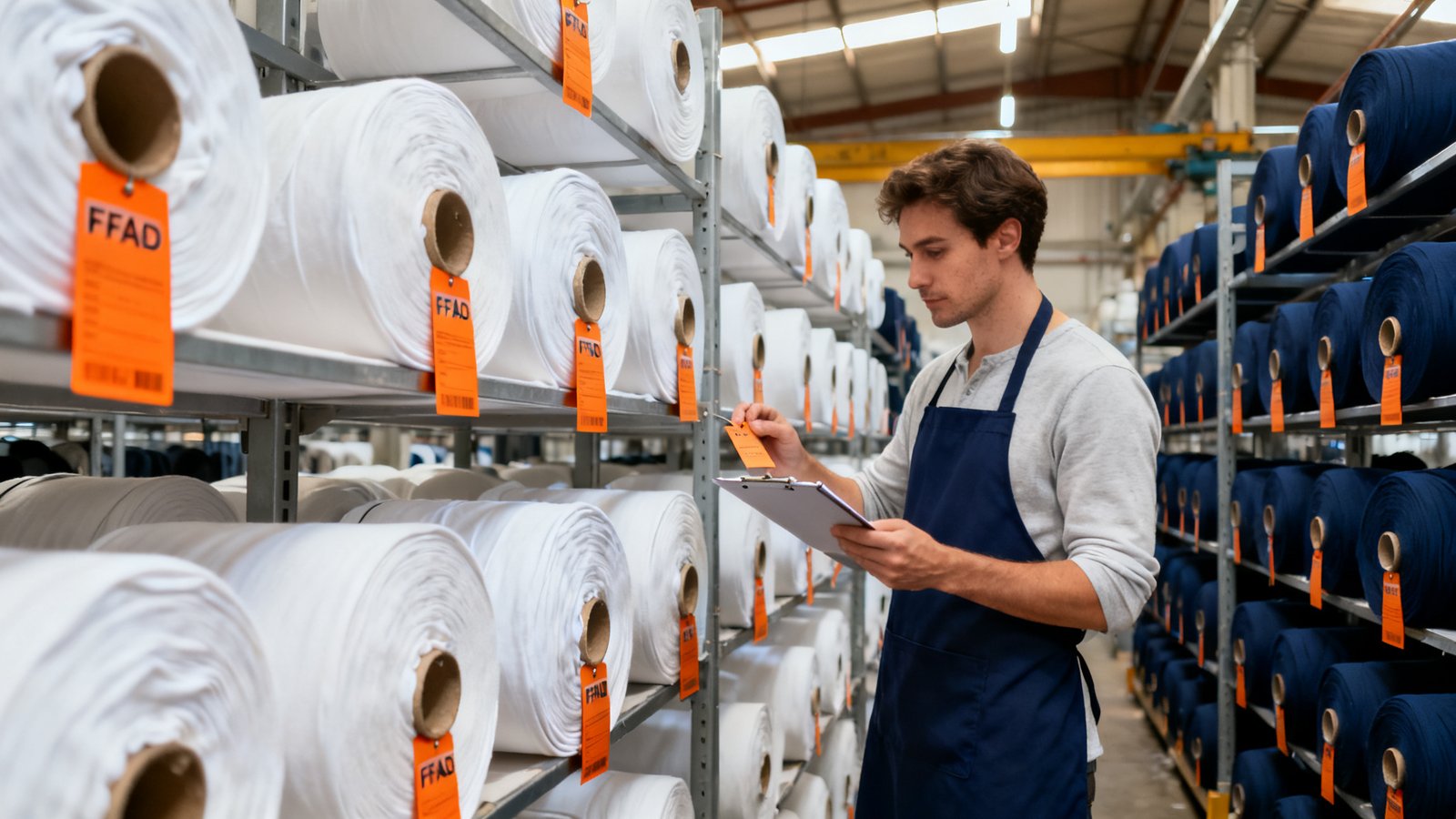
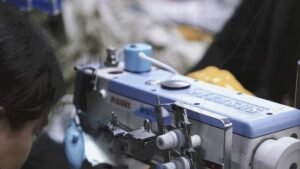
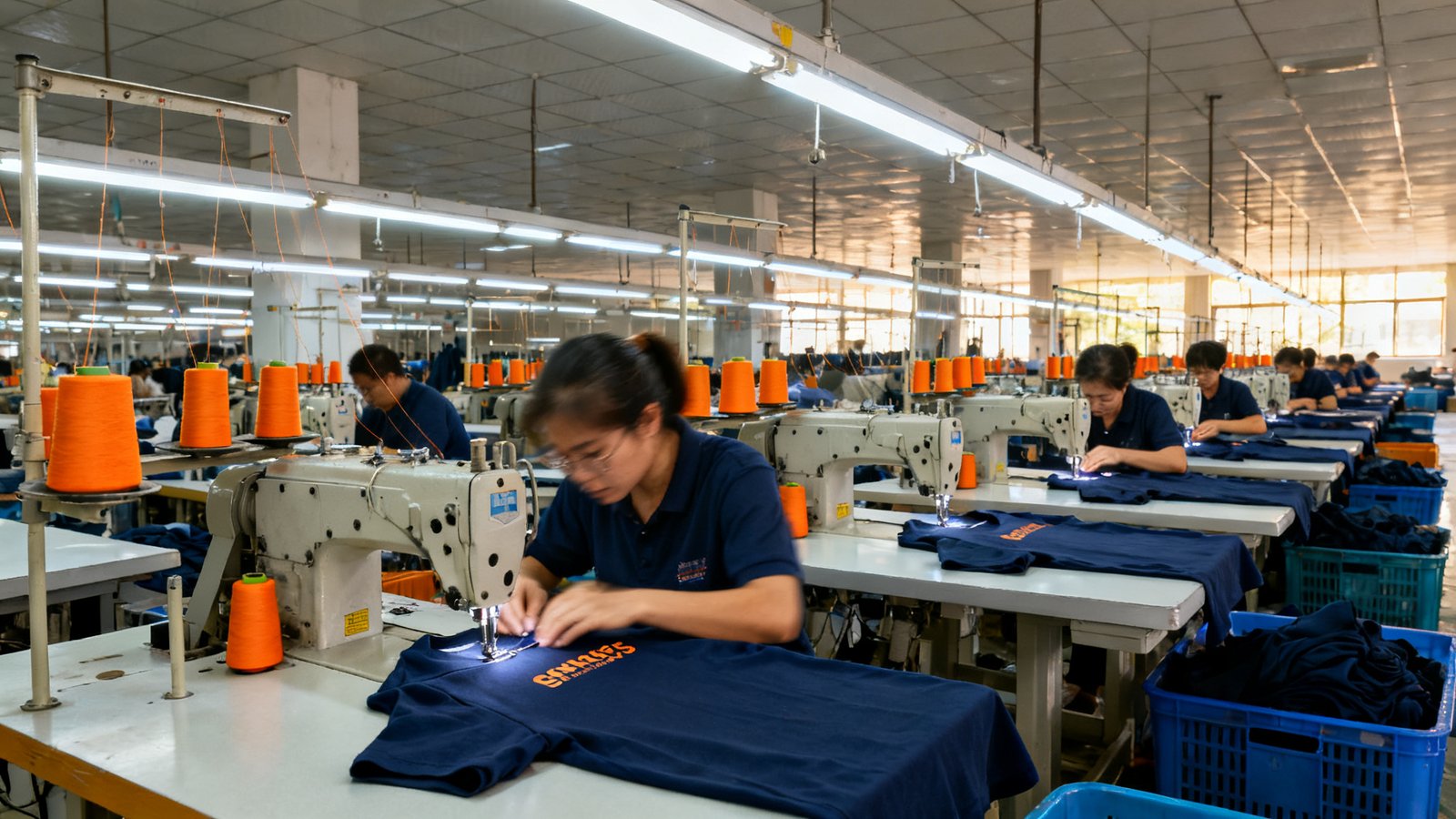
Fabric is the heaviest single lever because it sets the floor for everything else. A 180 gsm open-end cotton jersey costs noticeably less per metre than a 240 gsm combed ring-spun cotton, and that difference passes straight through to every unit. Sewing labour is the second big lever and is mostly driven by construction complexity: a boxy one-piece body with a rib neckband is cheap to sew, while side seams, twin-needle hems, a woven neck label and a chain-stitch detail each add operation time. Decoration stacks on top as its own line, and it is usually quoted separately for a reason.
How much does a custom t-shirt cost per piece?
Per-piece pricing is meaningless without a quantity attached, but the ranges are predictable.
For most custom t-shirts the manufacturing cost runs roughly $3 to $8 per piece at mid-range quantities, with premium heavyweight blanks and multi-location decoration pushing toward $10 to $12 or more, while a plain lightweight blank can fall below $3 at high volume.3
Treat any single figure as a snapshot, not a rate card. A 180 gsm tee with a one-colour chest print at 1,000 pieces will land near the bottom of that range, while a 240 gsm garment-dyed blank with a puff print, woven label, custom hangtag and fold-pack finishing will land near the top. The gap between a $4.20 quote and a $4.80 quote matters far less than the gap in what each quote actually specifies, which is why the spec sheet, not the number, is what you should compare first.
Why does the price per t-shirt drop with larger orders?
The classic volume discount is not a favour; it is fixed cost being divided by a bigger number.
Per-piece cost falls with quantity mainly because setup costs such as screens, sampling, pattern making and machine changeovers are fixed and get amortised across more units, while fabric and labour stay roughly linear per piece.4
This is why a 50-piece order can cost two to three times per unit what a 500-piece order costs. The screen setup, the sample approval, the fabric colour-matching and the first cutting marker all cost the same whether you make 50 pieces or 5,000. Fabric is the partial exception: buying one roll at a time means paying retail-ish cloth prices, while committing to several rolls gets you a mill price break, so the fabric line itself also bends downward with volume. If a quote does not move when you triple the quantity, ask whether it is genuinely itemised or just a flat rate with extra margin hidden inside.
The number on the quote is not the number that leaves your bank account.
Hidden costs that routinely sit outside a headline unit price include sampling and freight fees, pre-treatment for printing, custom label and hangtag minimums, import duties and taxes, and reworks or rejects — all of which belong in your landed cost per piece.5
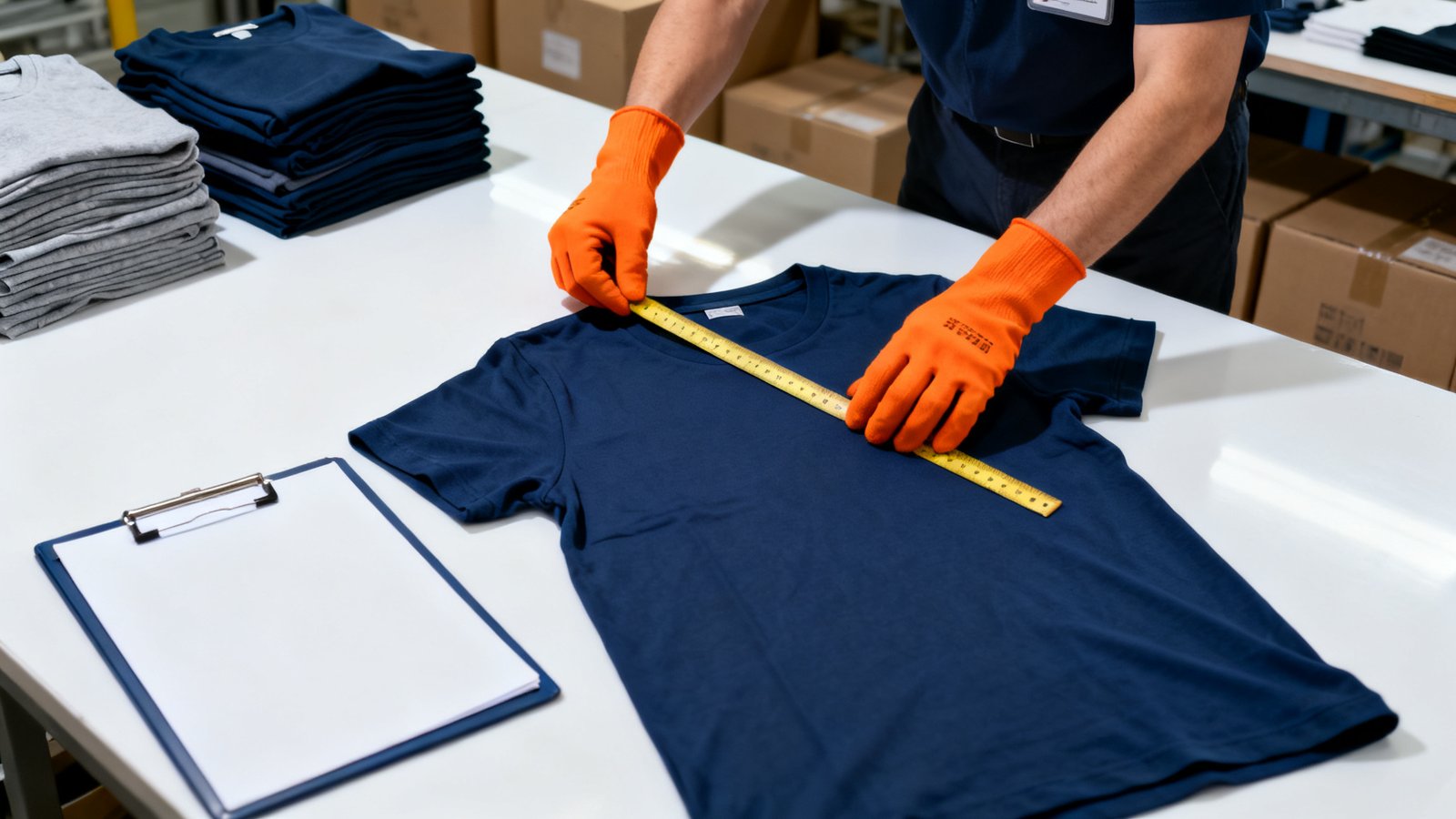
Ask any factory to break the quote into fabric, cut-make-trim, decoration, sampling, freight and any other charges, and to state what is included in each. Watch especially for three classic gaps: sampling fees that are not credited against the bulk order, freight and duty quoted as "at cost" without a number, and decoration priced on one print location when your artwork actually needs two. Rejects and reworks are the quietest cost of all, and the only real defence is a written quality standard and a pre-shipment inspection, so a slightly higher quote with those built in is usually cheaper than a lower quote without them.
How can you get an accurate t-shirt manufacturing quote?
An accurate quote is a function of an accurate brief, not of a clever factory.
To get an accurate quote, specify the exact fabric composition, weight, colour and finish, the full size breakdown, the precise decoration per location, and the required labels and packing — because cotton prices and yarn quality vary, an unstated spec lets the factory assume the cheapest version.6
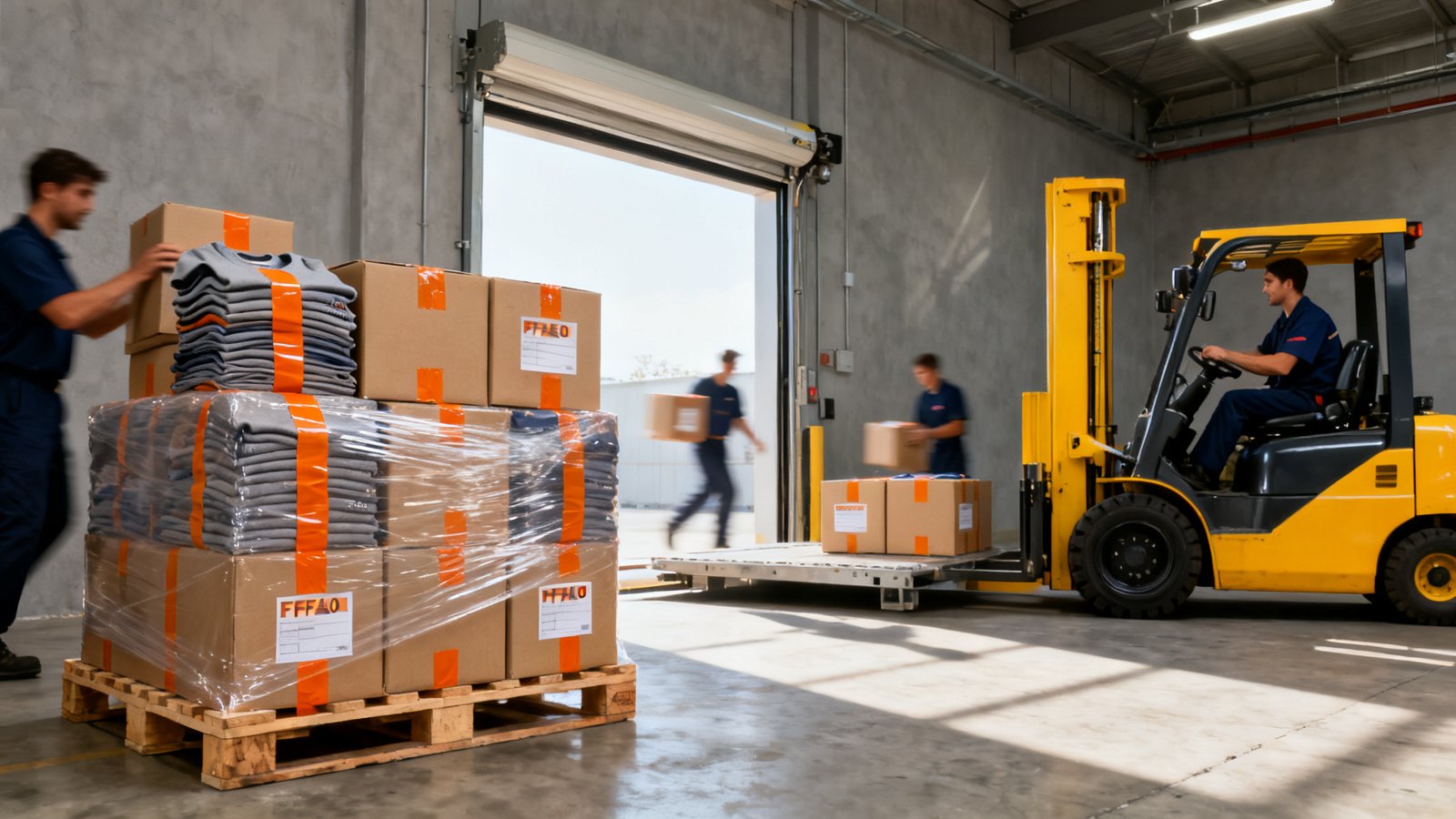
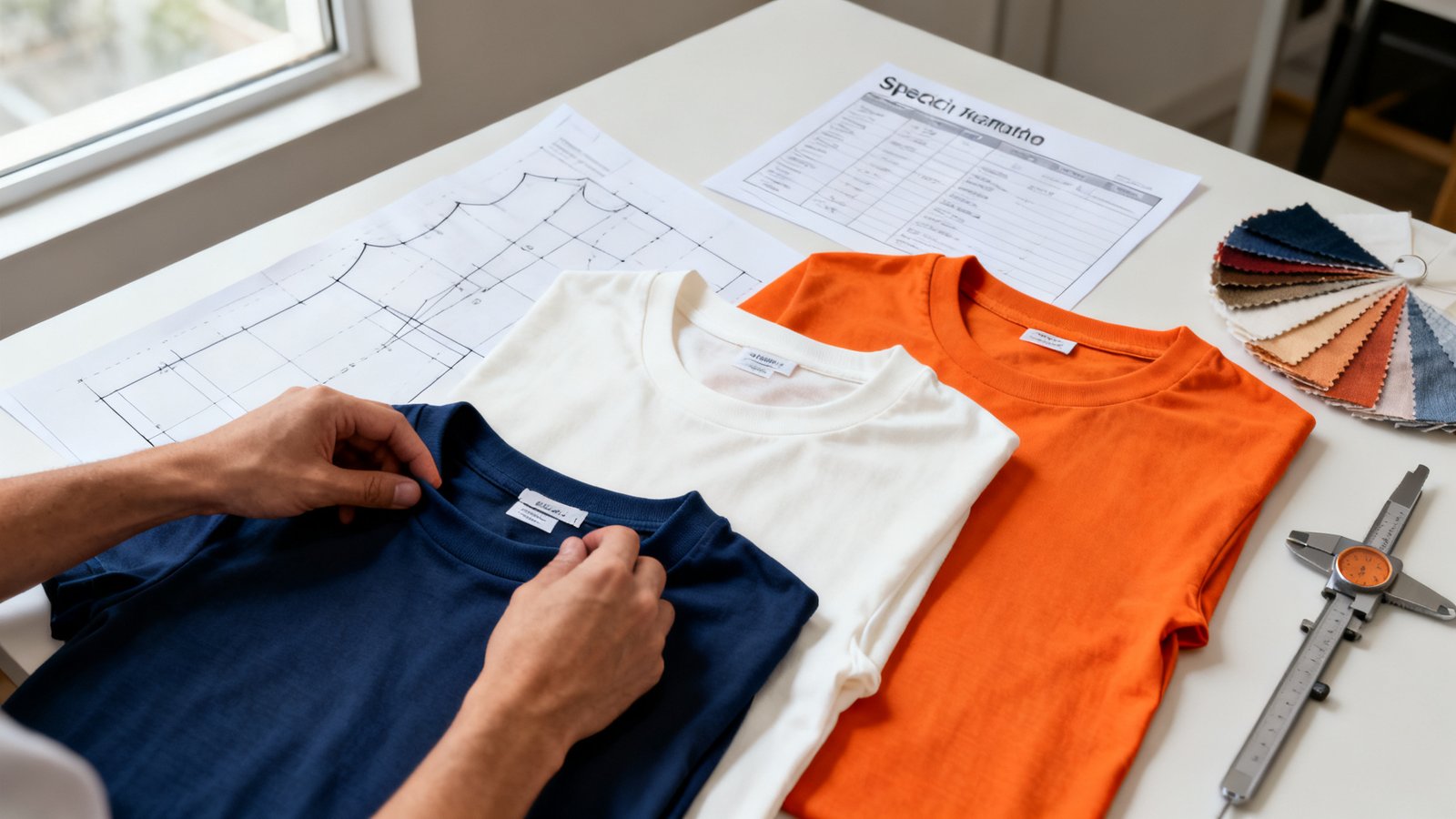
Send the same information to every factory you are comparing: fabric weight and composition, garment colour and dyestuff, size run with quantities, print or embroidery placement and colour count, label and hangtag spec, packing instructions and target quantity. Ask each to return the same itemised breakdown, then compare line by line rather than by headline number. If you want the fabric, decoration and finish chosen together so there is nothing left to assume, our custom t-shirt manufacturing page shows the blanks and techniques we run every day, and our custom clothing manufacturing team quotes the full landed breakdown before you commit.
Conclusion
Custom t-shirt manufacturing cost is a stack you can control: fabric and construction set the floor, decoration and finishing set the top, and order size decides how much of the fixed setup each piece must carry. A fair per-piece price for a quality custom tee sits around $3 to $12 depending on those dials, with the honest number found in an itemised, landed-cost quote rather than a headline figure. Specify everything, compare line by line, and build quality control into the price. Ready to price your next drop properly? Send us your spec and target quantity and we will return a full itemised breakdown.
"T-shirt", https://en.wikipedia.org/wiki/T-shirt. Describes the t-shirt as a mass-produced garment and covers the typical materials, construction and decoration methods that drive its production cost. Evidence role: general_support; source type: encyclopedia. Supports: the answer-first claim that per-piece cost is set by fabric, order size and decoration, with price falling as quantity rises. Scope note: general garment overview; gives no current per-piece pricing, MOQ breakpoints or factory rates. ↩
"Textile manufacturing", https://en.wikipedia.org/wiki/Textile_manufacturing. Explains the stages of textile production from fibre through yarn and fabric, including the processes that determine fabric cost and quality. Evidence role: general_support; source type: encyclopedia. Supports: the claim that fabric is the largest single cost lever and that weight, fibre and finish set the floor price. Scope note: process-level overview; does not price specific fabrics, yarn counts or mill minimums. ↩
"Clothing industry", https://en.wikipedia.org/wiki/Clothing_industry. Covers how garments are manufactured at scale, including the role of cut-make-trim labour and the cost structure of apparel production. Evidence role: general_support; source type: encyclopedia. Supports: the typical $3-$8 mid-range per-piece band and the labour-driven cost structure behind it. Scope note: industry-level context; does not state current unit prices, wages or regional labour rates. ↩
"Manufacturing cost", https://en.wikipedia.org/wiki/Manufacturing_cost. Defines fixed versus variable manufacturing costs and explains how setup and overhead are amortised across the units produced. Evidence role: general_support; source type: encyclopedia. Supports: the explanation of why per-piece cost falls with volume as fixed setup costs are spread over more units. Scope note: general cost-accounting concept; does not give apparel-specific setup values or volume curves. ↩
"Cost of goods sold", https://en.wikipedia.org/wiki/Cost_of_goods_sold. Explains what belongs in the direct cost of producing goods, including materials, labour and attributable overheads such as freight. Evidence role: general_support; source type: encyclopedia. Supports: the claim that freight, duties, sampling and overhead belong in a landed per-piece cost rather than sitting outside the headline unit price. Scope note: accounting framework; does not list apparel import duty rates or freight pricing. ↩
"Cotton", https://en.wikipedia.org/wiki/Cotton. Describes cotton as a commodity fibre and explains how fibre quality, staple length and market price vary, affecting the cost of cotton yarn and fabric. Evidence role: general_support; source type: encyclopedia. Supports: the point that an unstated fibre and yarn spec lets a factory assume the cheapest version, so quotes must lock the exact fabric. Scope note: fibre and market context; does not give live cotton index prices or yarn conversion costs. ↩
Ready to make this for your brand?
Adiwe manufactures custom T-shirts, hoodies, jackets, pants, shorts and shirts for brands worldwide — from 100 pcs per style and colour, with private labelling, three-stage QC and a physical sample you approve before bulk.
Custom Hoodie ManufacturingCustom T-Shirt Manufacturing