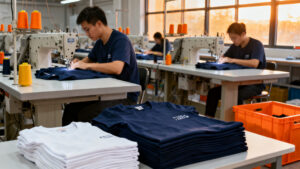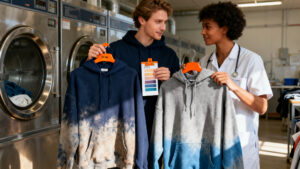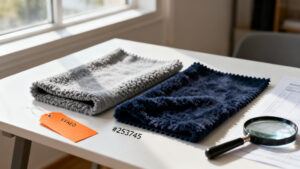
A founder approves a print sample, the drop sells through, and then the reorder arrives with graphics that look thinner, duller and slightly the wrong size. Nine times out of ten the fabric did not change and the artwork did not change — the decoration method did. Screen printing and direct-to-garment printing are not interchangeable options on a quote sheet. They fail in different ways, they cost differently at different quantities, and they change how a garment feels in the hand.
For most streetwear brands, screen printing is the better choice for simple, bold graphics at volume because it lays down a thick, opaque ink film at a low cost per piece, while DTG is the better choice for detailed, photographic or unlimited-colour artwork and for very small runs.1
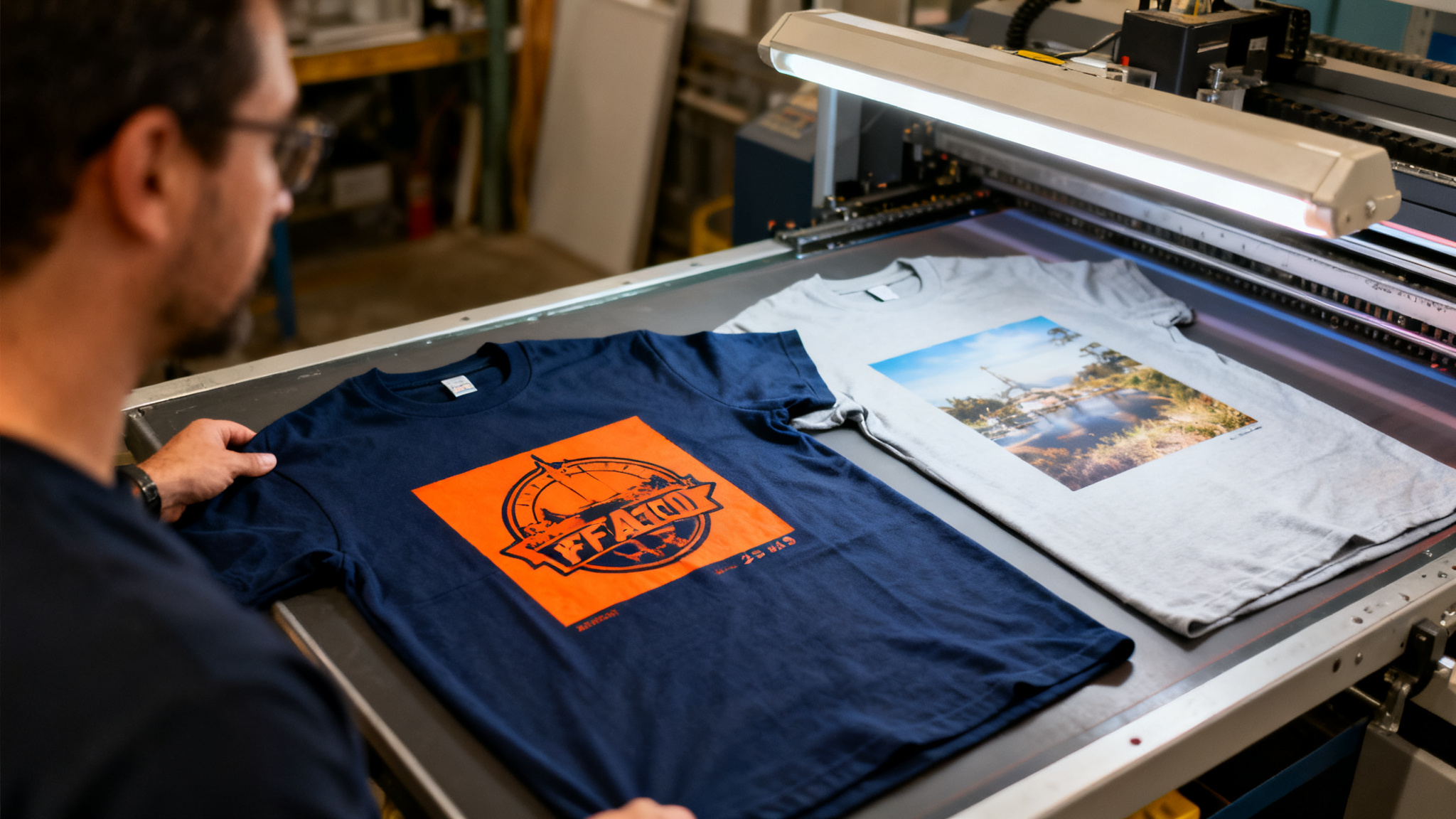
The decision usually comes down to four things: how many colours the artwork needs, how many pieces you are ordering, how the print must feel and last, and how much of the fabric the design covers. Get those four right and the method chooses itself.
What is the difference between screen printing and DTG?
The two processes are built on opposite logic, which is why they behave so differently in production.
Screen printing pushes ink through a mesh stencil one colour at a time, so each colour needs its own screen and pass, while DTG printing works like an inkjet printer and jets water-based ink directly onto the garment in a single pass.2
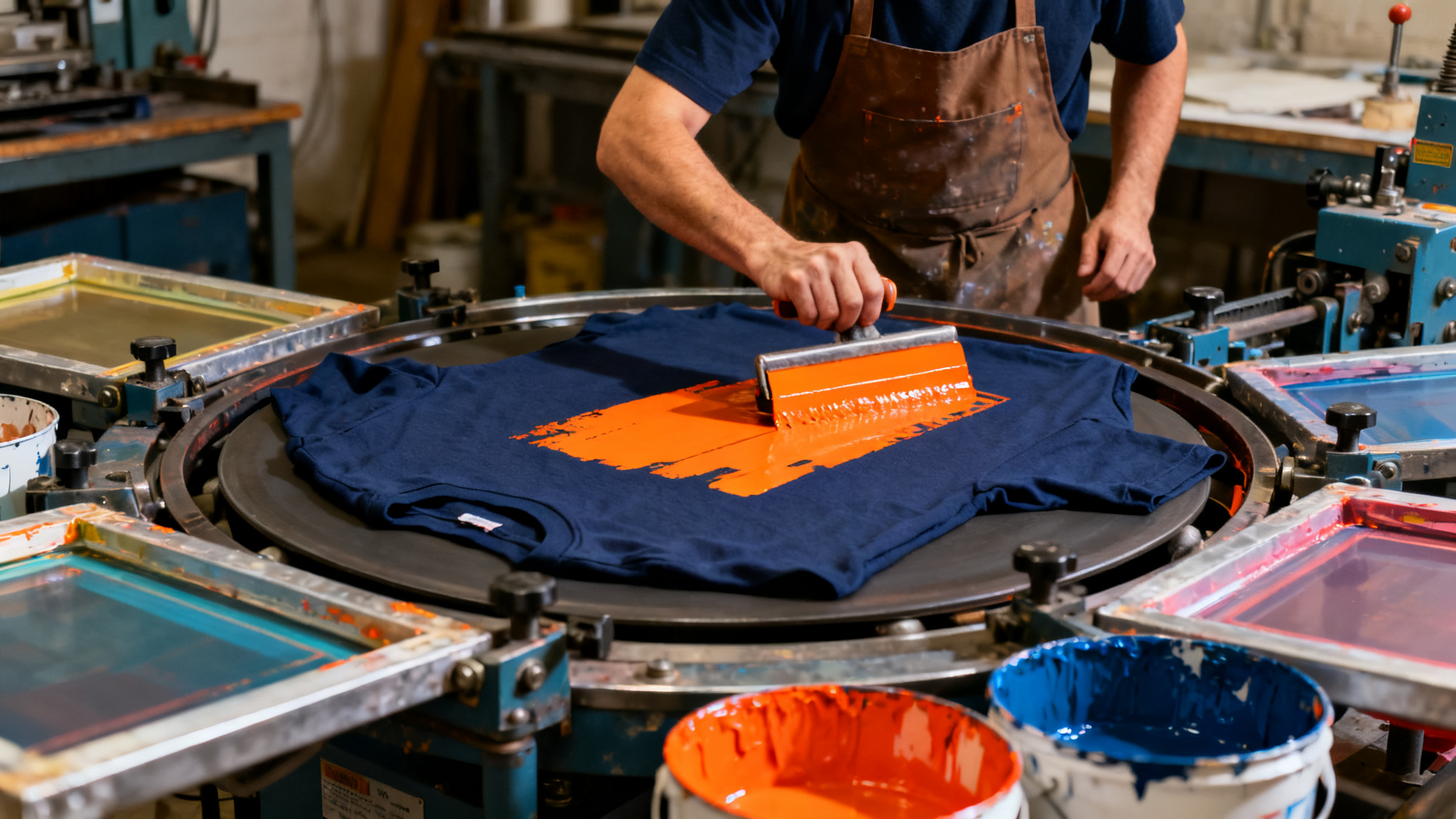
Screen printing builds a physical ink layer on top of the fabric. Every colour adds a screen, a setup and a pass down the dryer, so setup cost is high and marginal cost per piece is low. DTG loads a pre-treated shirt on a platen and prints the file as-is, so setup is essentially zero and every piece costs roughly the same. That single structural difference explains almost every practical trade-off later in this article — and it is why a six-colour graphic and a full-colour photograph should not be quoted on the same method.
Which is cheaper for a streetwear brand: screen printing or DTG?
Cost per piece is the question everyone asks first, and the honest answer is that the crossover point is real and predictable.
Screen printing becomes dramatically cheaper per unit as quantity rises because the ink and screens are amortised across the run, whereas DTG carries a flat per-garment cost that barely falls with volume, so DTG is cheaper only at very low quantities and for high-colour artwork.3
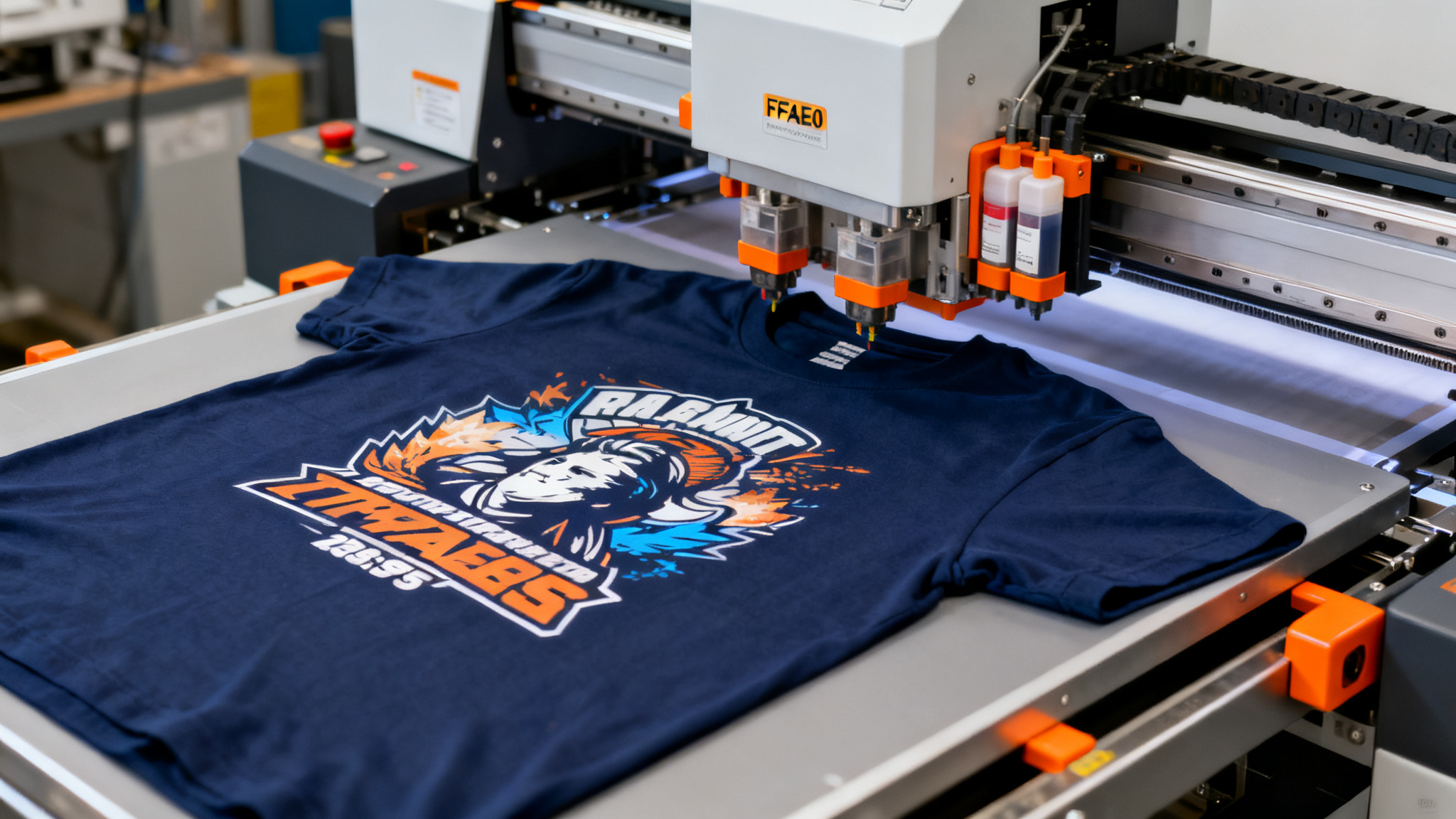
A one-colour chest print at 500 pieces is routinely a fraction of the DTG price for the same garment, because the screen is paid for once. Flip the artwork to a photographic back print with gradients and twelve colours and screen printing needs twelve screens, twelve passes and a very confident printer; DTG charges the same as it did for one colour. The practical rule: below roughly 24 to 50 pieces, or above four to six colours, price DTG first; above 100 pieces with a simple graphic, price screen printing first. Ask for both quotes on your actual artwork rather than a rate card, and check whether pre-treatment, freight and reprints are included.
When should a streetwear brand choose DTG?
DTG is not the budget option. It is the flexibility option, and it solves specific problems well.
DTG is the right call for photographic or gradient-heavy artwork, unlimited colour counts, sample and one-off production, and print-on-demand models, because it needs no screens and reproduces a digital file directly with fine detail.4
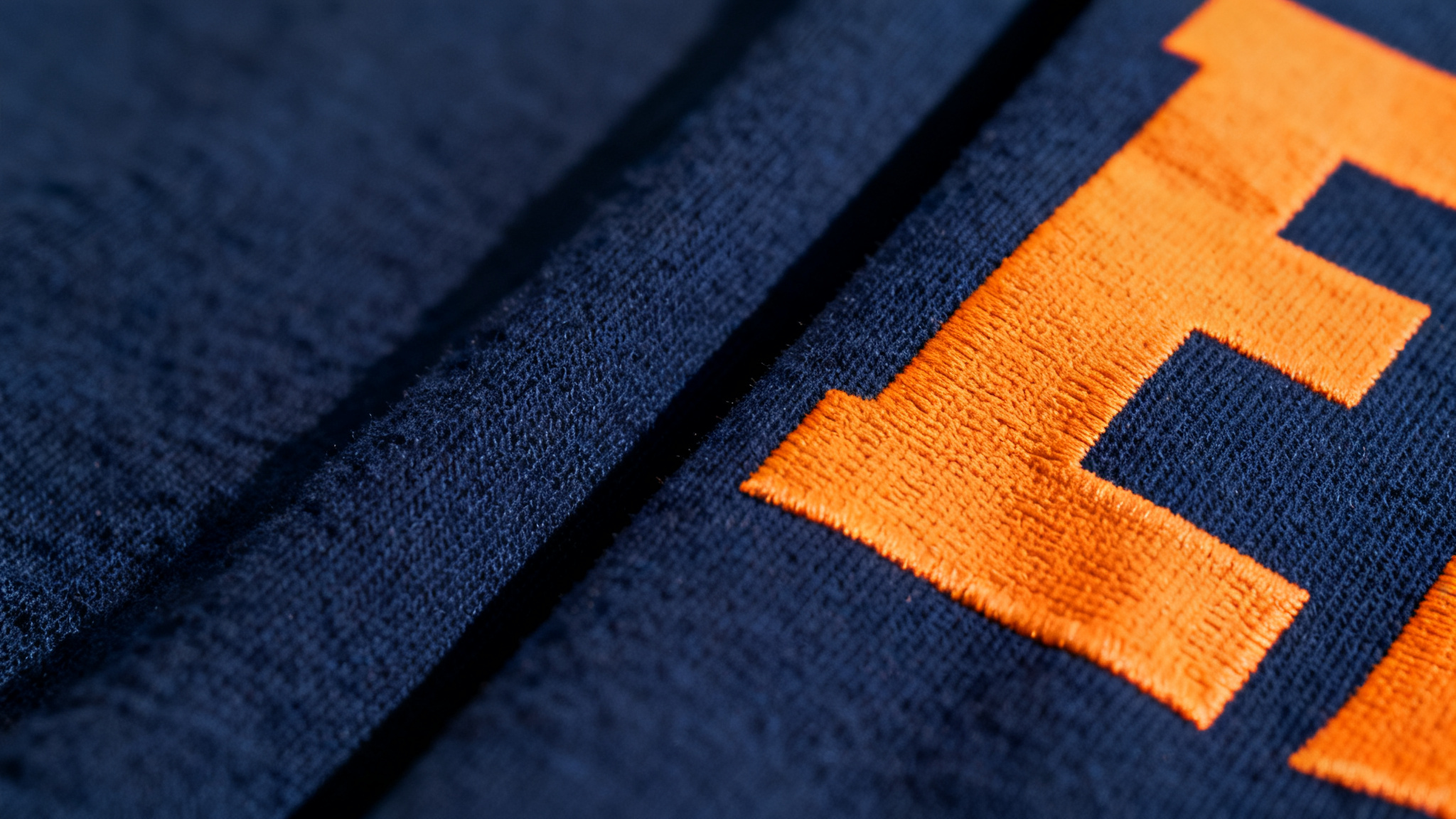
Where DTG earns its place in streetwear is in the details a screen cannot hold: fine linework, halftones, photographic collages, all-over placement without a colour limit, and short-run artist capsules where committing to screens makes no sense. It is also the standard route for sampling a graphic before you commit to screens, and for brands testing designs before a bulk drop. Two cautions: DTG needs pre-treatment on dark garments, especially cotton, and it sits inside the fabric rather than on top of it, so the hand feel is softer but the colours are less punchy on deep navy and black than a thick plastisol layer.
How do the two prints hold up after washing?
Durability is where the cheapest quote often stops being the cheapest option.
A correctly cured plastisol screen print typically outlasts a DTG print over repeated washing, because the ink forms a flexible plastic film bonded to the surface, while DTG water-based inks sit in the fibre and fade gradually with abrasion and washing.5
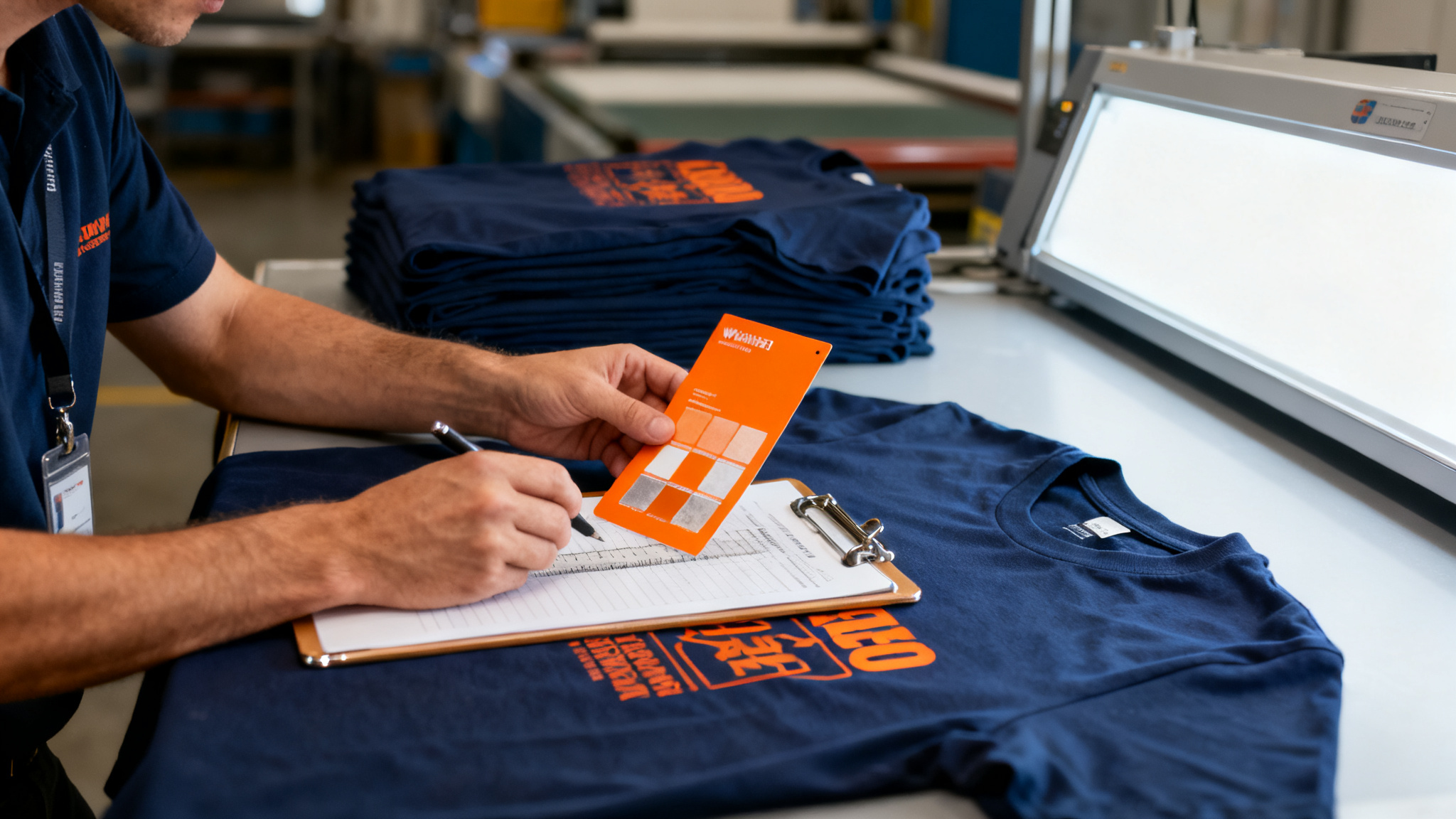
Both methods fail for the same underlying reason: under-curing. A plastisol print that was pulled too fast or run too cool through the dryer will crack and wash out in five cycles no matter how thick it looks on day one, and a DTG print without proper pre-treatment will look washed-out from the first laundry load. So the useful question is not "which ink lasts longer" but "what is your cure temperature, dwell time and wash-test standard, and can I see the result of five home washes?" Run a wash test on your own fabric before bulk: three to five washes at 30°C inside out, then compare against the approved sample under the same light.
What should you check before approving a print sample?
The sample is the only place where a print problem is still cheap to fix.
Print quality depends on the fabric as much as the method — cotton’s absorbency, surface texture and colour affect ink pickup and opacity, so samples must be printed on the exact production fabric, colour and weight, not on a stock blank.6
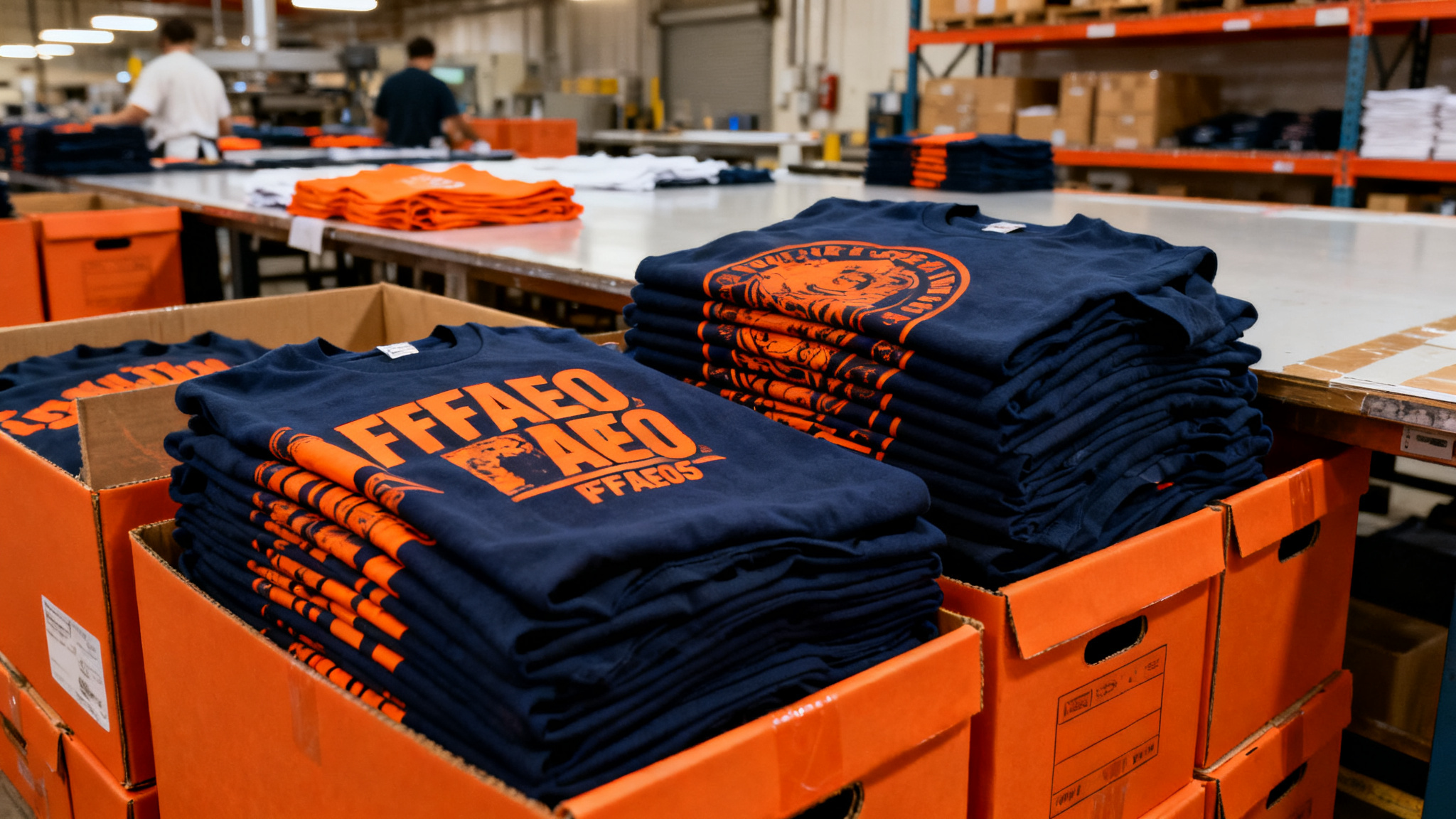
Approve against a checklist, not a feeling: print placement measured in centimetres from collar and centre, print size, Pantone or hex match under D65 light, ink coverage and opacity on the actual garment colour, hand feel, and stretch recovery across the print. For screen printing, confirm the mesh count, the number of passes and the flash schedule; for DTG, confirm pre-treatment, print resolution and the wash-test result. Photograph the approved sample from the front, the back and a macro of the ink surface, keep it sealed, and make it the bulk standard. If you want the method, fabric and print spec chosen together rather than guessed, our custom clothing manufacturing team quotes both routes on the same artwork, and our custom t-shirt manufacturing page covers fabric weights that print cleanly.
Conclusion
Screen printing gives you thick, punchy, durable graphics at a low cost per piece once volume absorbs the setup, which is why it still owns bold streetwear graphics. DTG gives you unlimited colours, photo-real detail and no minimum, which is why it owns samples, capsules and print-on-demand. Choose by artwork complexity and order size, then lock the fabric, the cure parameters and a wash-tested sealed standard so the reorder matches the drop. If you are deciding between the two for an upcoming collection, send us the artwork and target quantity and we will quote both methods side by side.
"T-shirt printing", https://en.wikipedia.org/wiki/T-shirt_printing. Overview of the main methods used to decorate t-shirts, including screen printing and digital direct-to-garment printing, with their typical strengths and limitations. Evidence role: general_support; source type: encyclopedia. Supports: the answer-first claim that screen printing suits bold graphics at volume while DTG suits detailed, multi-colour and short-run work. Scope note: general process overview; does not give current pricing, MOQs or factory-specific capability. ↩
"Screen printing", https://en.wikipedia.org/wiki/Screen_printing. Describes the screen printing process, in which ink is forced through a mesh stencil, and explains that each colour requires a separate screen and pass. Evidence role: general_support; source type: encyclopedia. Supports: the explanation of why screen printing carries per-colour setup cost and builds a physical ink layer. Scope note: covers the process broadly; garment-specific mesh counts, flash schedules and cure settings are supplier dependent. ↩
"Plastisol", https://en.wikipedia.org/wiki/Plastisol. Explains plastisol as a suspension of PVC particles in plasticiser that fuses into a flexible film when heated, the base of most textile screen-printing inks. Evidence role: general_support; source type: encyclopedia. Supports: the claim that screen printing lays down a durable, opaque film whose per-unit cost falls as setup is amortised across a run. Scope note: chemistry and material focus; does not address per-piece pricing, MOQ breakpoints or regional labour costs. ↩
"Digital textile printing", https://en.wikipedia.org/wiki/Digital_textile_printing. Covers digital printing methods for textiles, including direct-to-garment inkjet printing, and notes the absence of screens and the ability to print variable, full-colour designs. Evidence role: general_support; source type: encyclopedia. Supports: the recommendation of DTG for photographic artwork, unlimited colours, samples and print-on-demand. Scope note: broader textile-printing context; specific pre-treatment recipes and colour-fastness results vary by ink system and fabric. ↩
"Colour fastness", https://en.wikipedia.org/wiki/Colour_fastness. Defines colour fastness as the resistance of a colour to fading and bleeding, and describes the standard test methods used to grade wash, rub and light fastness. Evidence role: general_support; source type: encyclopedia. Supports: the comparison of print durability under repeated washing and the recommendation to run a wash test before bulk. Scope note: describes test standards and grading, not the expected lifespan of any particular ink brand or print method. ↩
"Cotton", https://en.wikipedia.org/wiki/Cotton. Describes cotton as a natural cellulose fibre and explains how fibre properties, absorbency and surface structure affect dye and ink uptake. Evidence role: general_support; source type: encyclopedia. Supports: the point that print results depend on the exact fabric and garment colour, so samples must be made on production fabric. Scope note: fibre-science overview; does not cover garment printing practice, pre-treatment chemistry or inspection lighting. ↩
Ready to make this for your brand?
Adiwe manufactures custom T-shirts, hoodies, jackets, pants, shorts and shirts for brands worldwide — from 50 pcs per style and colour, with private labelling, three-stage QC and a physical sample you approve before bulk.
Custom Hoodie ManufacturingCustom T-Shirt Manufacturing