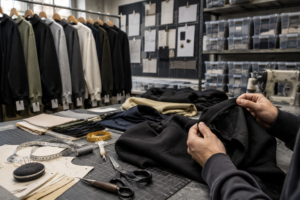
Choosing the right fabric weight is one of the first decisions that shapes how a streetwear t-shirt feels, drapes, and sells. Ask five factories for the "best" GSM and you may get five different answers, so it pays to know exactly what the number measures and which range fits your brand.
For most streetwear t-shirts, 180–220 GSM is the best all-round choice for everyday wear, while 240–300 GSM suits heavyweight, premium and oversized styles.1
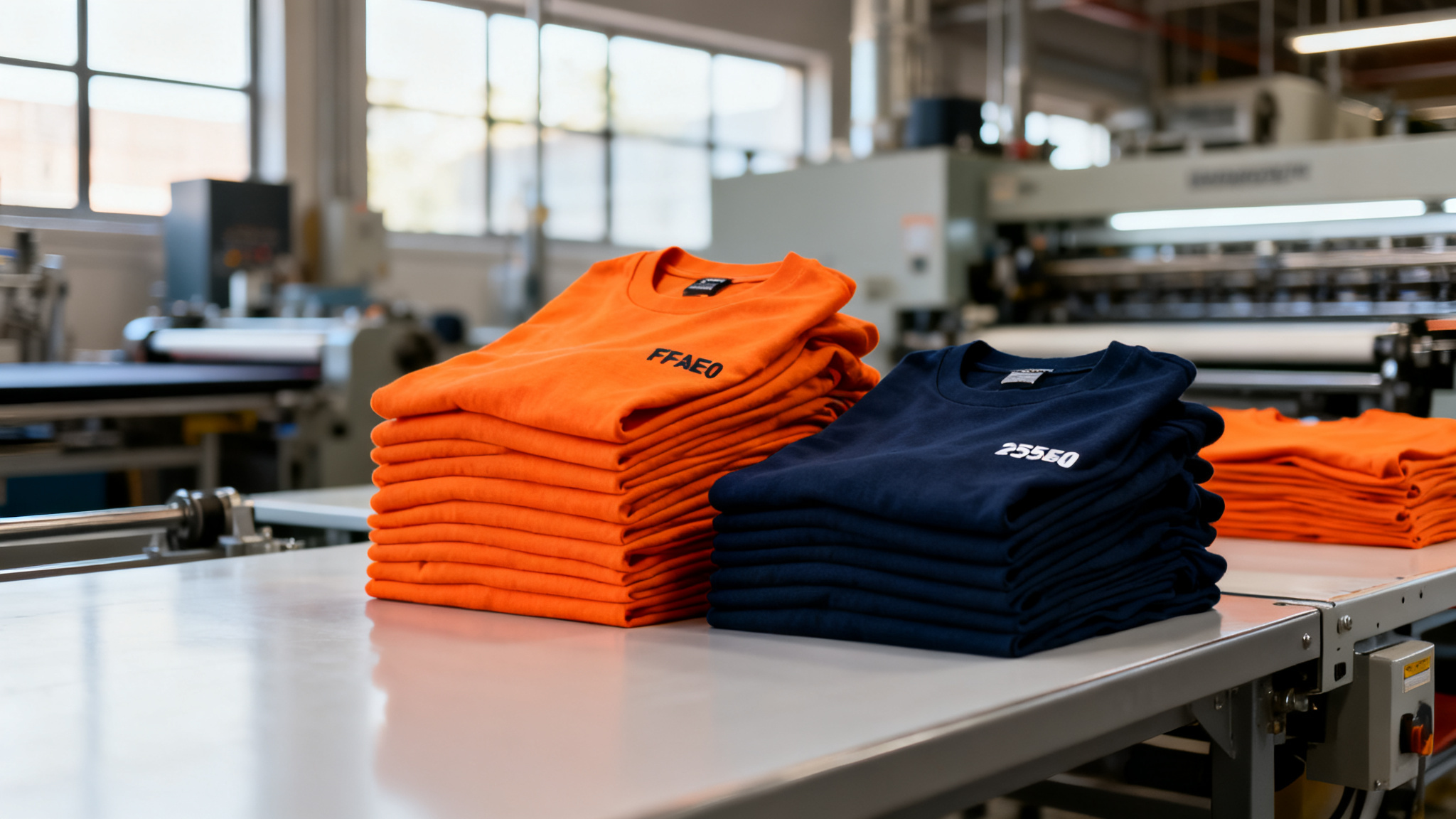
This guide explains what GSM really measures, the best weight for different streetwear styles, and the other fabric factors that decide whether a tee feels cheap or premium.
What does GSM actually mean for a t-shirt?
GSM appears on every fabric spec sheet, yet it is one of the most misunderstood numbers in apparel.
GSM (grams per square meter) measures the mass and density of a knitted fabric — the higher the number, the heavier and more substantial the cloth.2
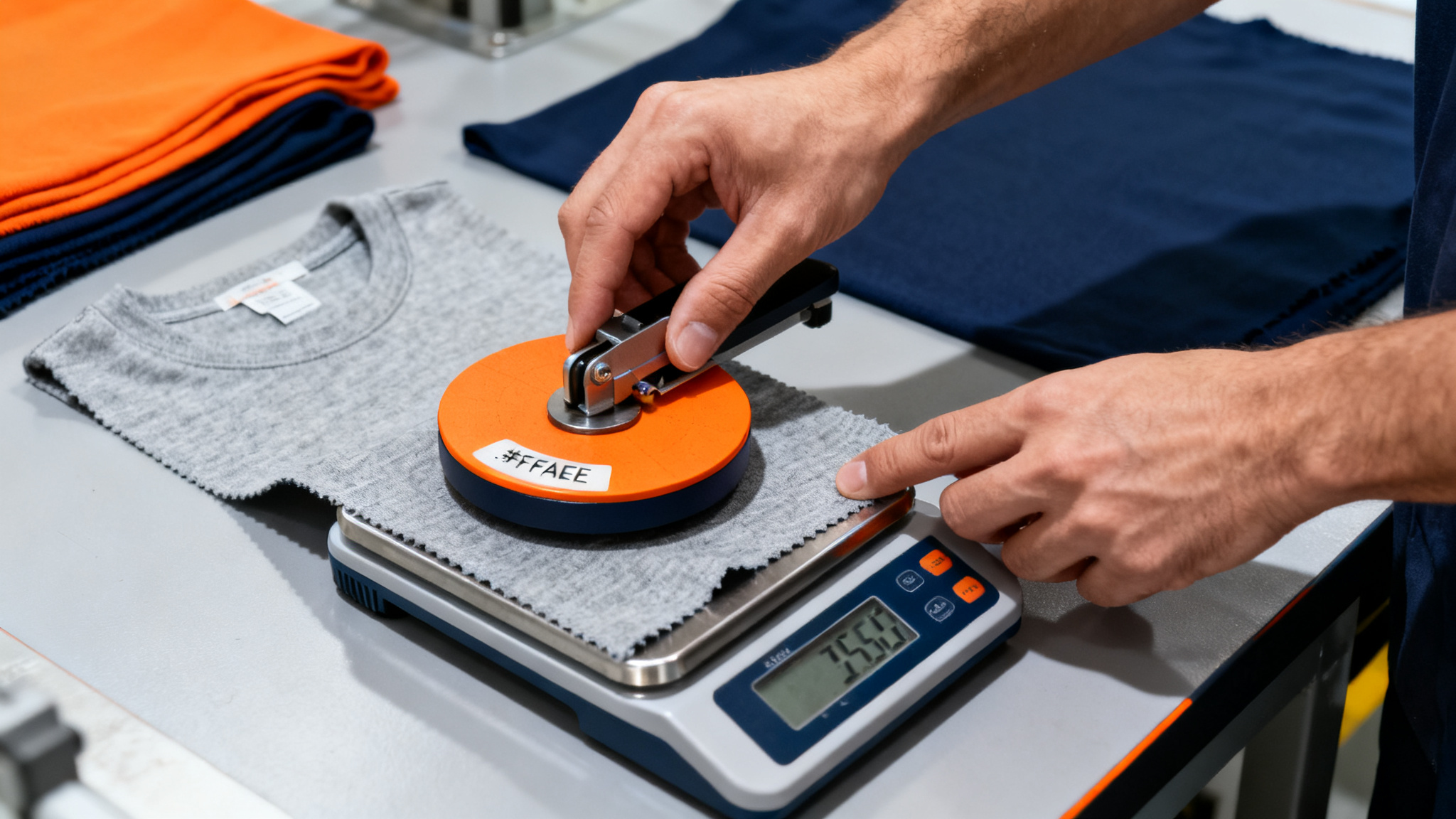
GSM is a standardised measure of mass per unit area. On knit t-shirt fabric it correlates closely with how solid the cloth feels: a 150 GSM jersey is light and airy, while a 300 GSM knit feels dense and structured. It is not the same as thread count or yarn size, although heavier fabrics generally use thicker yarns. Because the unit is standardised, it lets brands compare quotes from different factories on an equal footing instead of relying on vague terms like “thick cotton”.
What GSM is best for everyday streetwear t-shirts?
For a tee people reach for again and again, comfort and structure have to balance.
A 180–220 GSM cotton jersey is the best choice for everyday streetwear t-shirts, offering enough body to look premium without feeling heavy.3
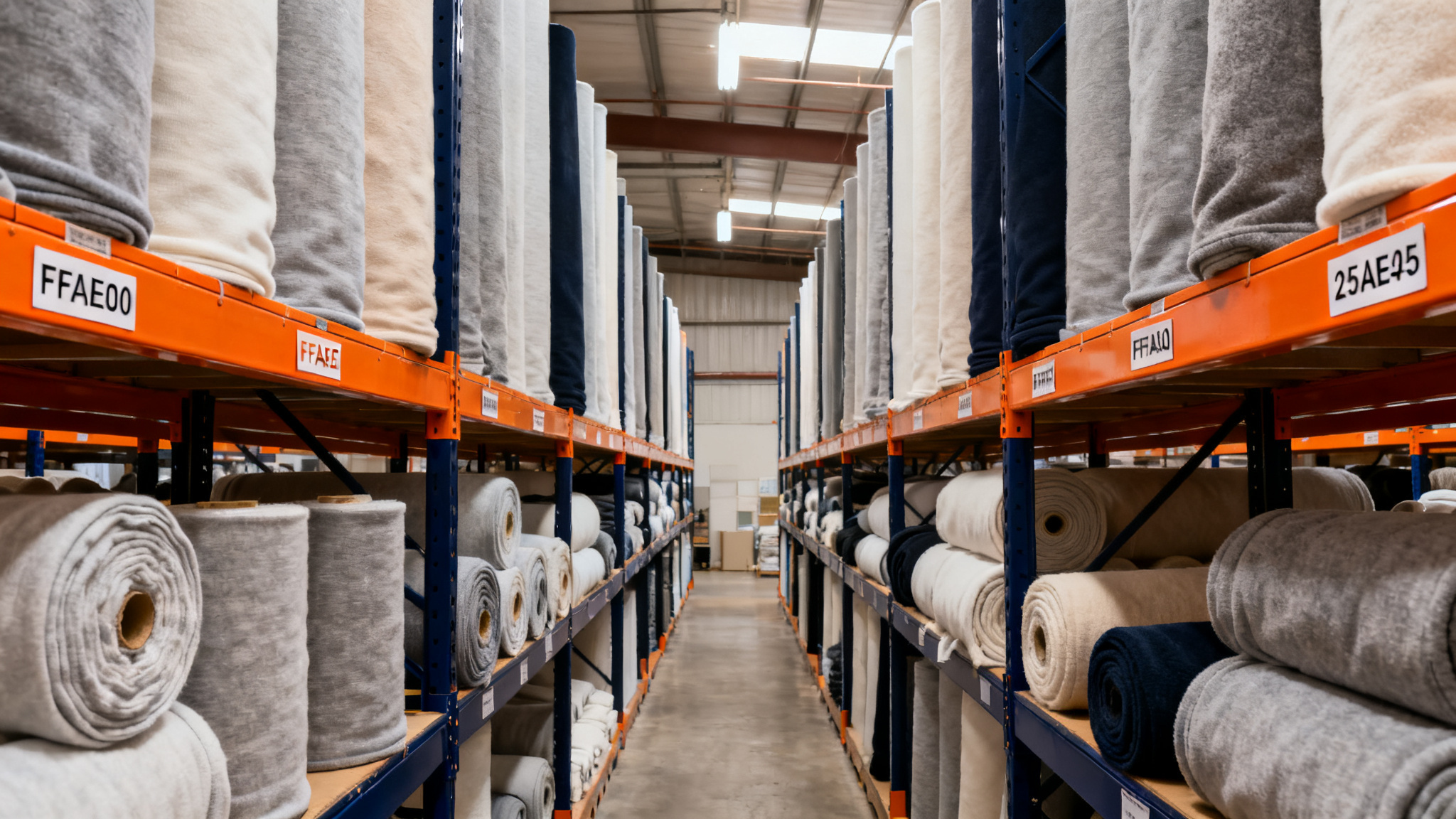
This range keeps the shirt opaque, holds a clean neckline, and still breathes in warm weather. It prints well with both screen printing and DTG, and it survives repeated washing without turning flimsy. For most retail and DTC basics, 190 GSM is a dependable default, and it is the weight custom t-shirt manufacturing projects land on most often.
When should you go heavier — 240 GSM or more?
Heavier fabric is not automatically better; it suits a specific look and feel.
For premium, boxy or oversized streetwear tees, choose 240–300 GSM so the garment holds its shape and falls with a deliberate, heavyweight drape.4
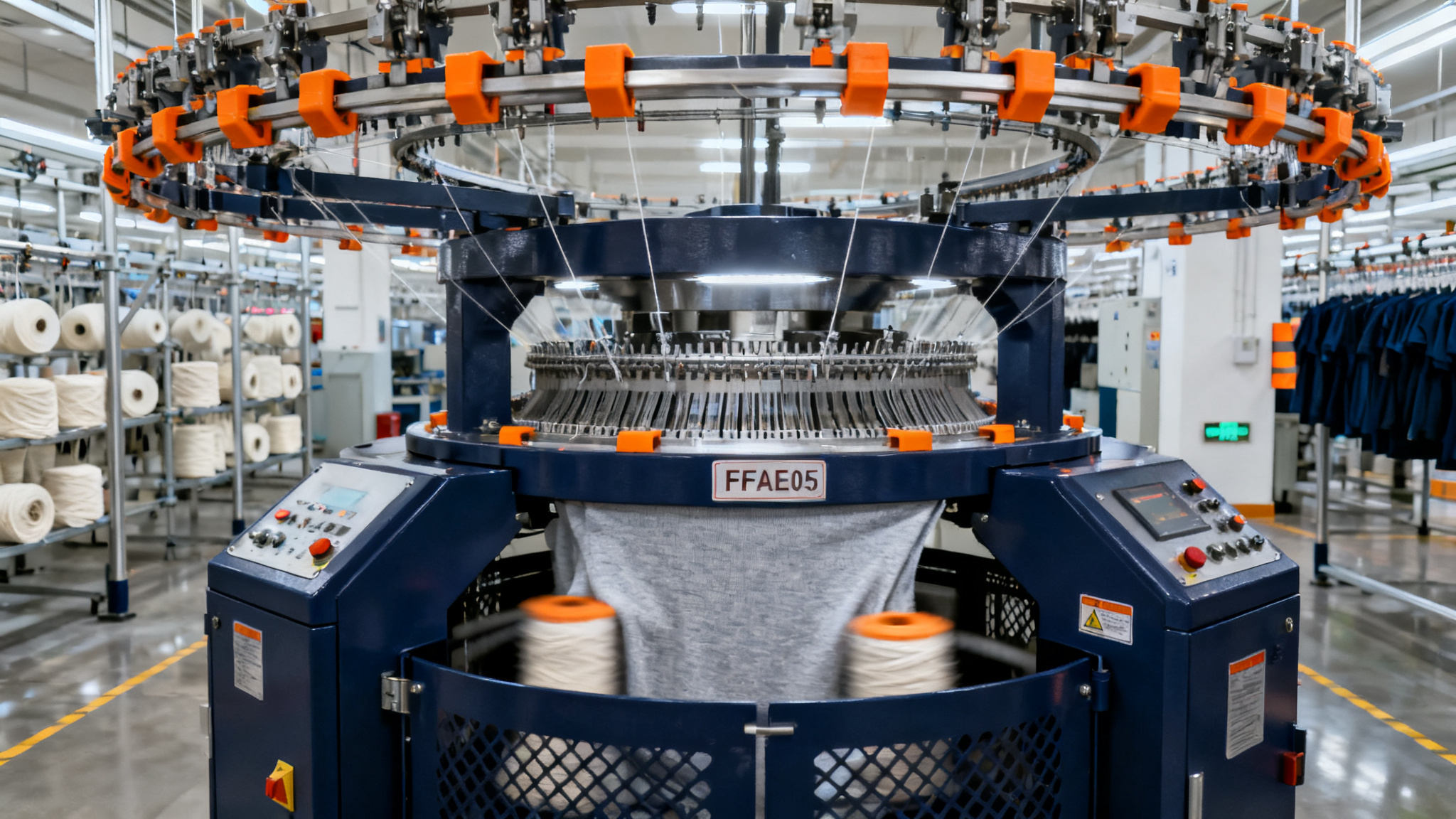
A 240–300 GSM knit gives the structured, almost jacket-like hand-feel that premium streetwear relies on. It supports wide, boxy cuts without collapsing at the shoulders and resists the clinging that light fabric sometimes shows. The trade-offs are cost, warmth and a longer production time, so reserve heavyweight fabric for hero pieces rather than every drop.
How does GSM change fit, drape and printing?
Fabric weight quietly shapes how a t-shirt looks on the body and under decoration.
Higher-GSM fabrics drape more heavily, hold structure better, and usually accept screen prints, puff prints and embroidery with less distortion.5
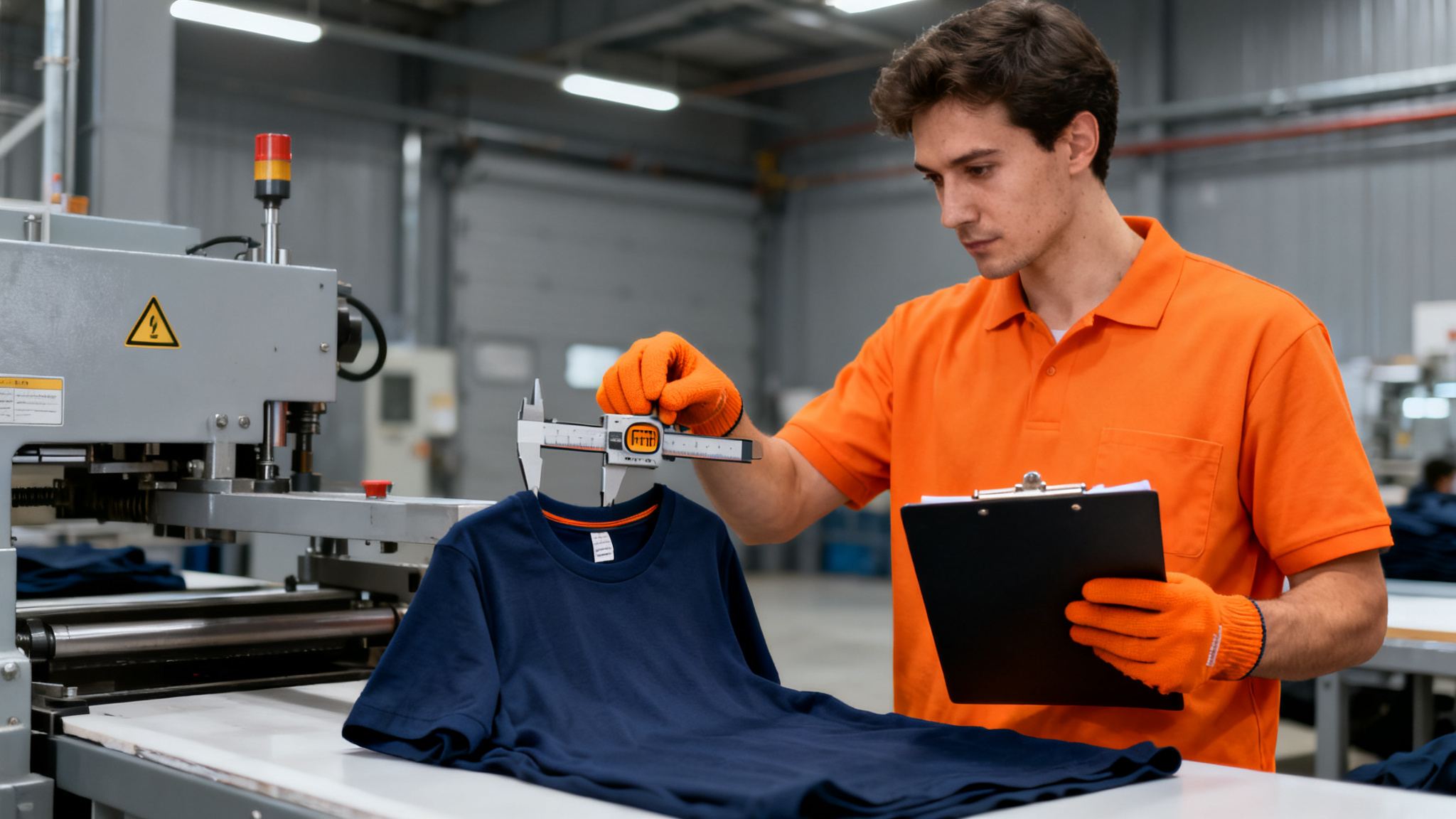
Heavier cloth hangs in straighter lines, which flatters oversized silhouettes, while lighter jersey hugs and stretches. On the decoration side, a more substantial surface resists ink bleed and holds raised puff print and dense embroidery more cleanly. If your design leans on bold graphics, a 220–260 GSM base often delivers the sharpest result.
What matters besides GSM?
GSM is a useful headline number, but it is far from the whole story.
Yarn quality, cotton staple length, knitting method, finishing and shrinkage control can matter as much as the GSM figure when judging how premium a t-shirt feels.6
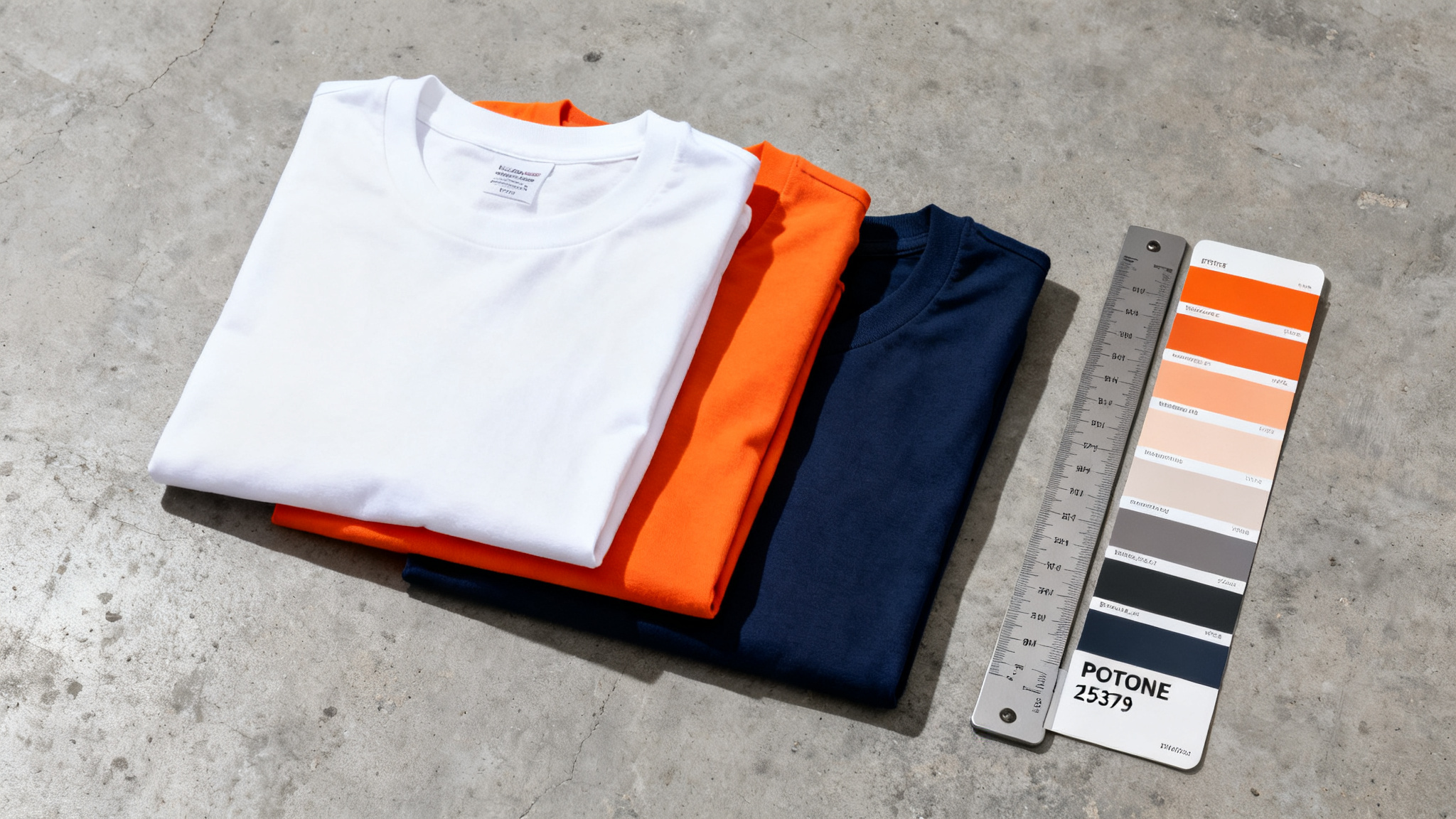
Long-staple or combed cotton feels smoother and pills less than short-staple yarn at the same weight. A tightly controlled knitting gauge, pre-shrunk finishing and consistent dyeing all affect how the tee looks after a season of wear. Always judge a sample in person against your target price point rather than choosing a fabric on GSM alone.
Conclusion
There is no single magic number, but the pattern is simple: 180–220 GSM works best for everyday streetwear t-shirts, 240–300 GSM delivers the heavyweight premium feel, and everything below 160 GSM tends to read as disposable. Match the weight to your silhouette, test a real sample, and weigh yarn quality alongside the GSM figure. If you want help choosing the right fabric for your drop, talk to our team and we will send swatches at the weight you need.
"Units of textile measurement - Wikipedia", https://en.wikipedia.org/wiki/Units_of_textile_measurement. Standard textile measurement references define grams per square meter (GSM) as the mass of a fabric per unit area and explain how the unit is used across the industry. Evidence role: general_support; source type: encyclopedia. Supports: The source should confirm that GSM is the standard measure of fabric weight used to compare textiles. Scope note: GSM describes weight, not quality; identical GSM fabrics can differ in yarn and construction. ↩
"Jersey (fabric) - Wikipedia", https://en.wikipedia.org/wiki/Jersey_(fabric). Fabric references describe jersey as a single knit used widely for t-shirts and explain how knit structure and density affect the cloth’s weight and handle. Evidence role: mechanism; source type: encyclopedia. Supports: The source should explain why denser, heavier knits feel more substantial. Scope note: Knit properties vary with yarn, gauge and finishing. ↩
"T-shirt - Wikipedia", https://en.wikipedia.org/wiki/T-shirt. Overviews of the t-shirt describe its typical cotton jersey construction and the role of fabric weight in comfort and appearance. Evidence role: general_support; source type: encyclopedia. Supports: The source should contextualise how everyday t-shirts are made and worn. Scope note: Regional and seasonal preferences shift the ideal weight. ↩
"Cotton - Wikipedia", https://en.wikipedia.org/wiki/Cotton. References on cotton describe fibre properties such as staple length and how they influence the weight, strength and hand-feel of finished fabric. Evidence role: mechanism; source type: encyclopedia. Supports: The source should link cotton fibre characteristics to heavier, more premium fabrics. Scope note: Agricultural and processing conditions affect fibre quality. ↩
"Textile manufacturing - Wikipedia", https://en.wikipedia.org/wiki/Textile_manufacturing. Manufacturing references outline how yarn is knit into fabric and how construction affects drape, stability and suitability for decoration. Evidence role: mechanism; source type: encyclopedia. Supports: The source should explain how fabric weight and construction influence drape and printing. Scope note: Decoration performance also depends on ink type and finishing. ↩
"Streetwear - Wikipedia", https://en.wikipedia.org/wiki/Streetwear. Background on streetwear shows how the category values fabric quality, fit and brand feel, making material choice central to the product. Evidence role: context; source type: encyclopedia. Supports: The source should contextualise why fabric quality beyond GSM matters to streetwear brands. Scope note: Streetwear trends and buyer expectations vary by market. ↩
Ready to make this for your brand?
Adiwe manufactures custom T-shirts, hoodies, jackets, pants, shorts and shirts for brands worldwide — from 50 pcs per style and colour, with private labelling, three-stage QC and a physical sample you approve before bulk.
Custom Hoodie ManufacturingCustom T-Shirt Manufacturing