Want stylish menswear without harming the planet? Choosing sustainable brands feels right, but navigating claims and finding truly eco-conscious options can be confusing. How do you know who's genuinely committed?
The "best" sustainable men's clothing brands prioritize eco-friendly materials (organic cotton, recycled fibers), ethical production, transparent supply chains, and durable designs. Look for certifications like GOTS or Fair Trade and brands openly discussing their practices.
As a manufacturer working with global brands, including those focusing on trends and quality for markets like North America and Europe, I see the growing demand for sustainability firsthand. It's not just a buzzword; it's becoming a core requirement for many clients. Let's explore what makes a brand truly sustainable.
Which Clothing Brand is Truly the Most Sustainable?
Trying to crown one single "most sustainable" brand? It's tough because sustainability is complex, involving materials, labor, water use, waste, and more. Different brands excel in different areas.
No single brand is universally "the most" sustainable. Leaders like Patagonia excel in environmental activism and materials, while others focus heavily on circularity or fair labor. Assess brands based on transparency and specific practices relevant to your values.
!
From my perspective running Adiwe, a factory producing streetwear like hoodies and t-shirts, sustainability isn't a simple label. It involves choices at every step. Some clients prioritize organic cotton, while others focus on recycled polyester or demand audits ensuring fair wages.
Evaluating Sustainability: A Multi-faceted Approach
Instead of seeking one "best," consider these key areas where brands demonstrate commitment:
- Materials:
- Eco-Friendly Choices: Use of organic cotton (less water, no pesticides), recycled materials (like PET bottles for polyester), Tencel™ (lyocell from sustainable wood pulp), linen, hemp.
- Avoidance: Minimizing virgin polyester, conventional cotton, and harmful dyes.
- Manufacturer's Role: We source certified materials when requested and ensure proper handling. Discussing fabric options is key – we offer customizable fabrics to meet these needs.
- Production Processes:
- Water & Energy Use: Implementing water-saving dyeing techniques, using renewable energy in factories.
- Waste Reduction: Designing for minimal fabric waste (optimizing cutting), recycling scraps.
- Chemical Management: Using non-toxic dyes and finishes (e.g., OEKO-TEX® certification).
- Ethical Labor:
- Fair Wages & Conditions: Ensuring workers are paid fairly and work in safe environments. Certifications like Fair Trade or SA8000 provide assurance.
- Transparency: Brands openly sharing information about their factory partners. As a factory owner, transparency builds trust with clients like Fifty Fifty who value ethical sourcing.
- Circularity & Longevity:
- Durability: Making high-quality clothing designed to last, reducing the need for frequent replacement. Quality craftsmanship is crucial here.
- Repair & Resale Programs: Offering services to extend the garment's life.
- Recycling Initiatives: Taking back old garments to recycle into new fibers.
| Sustainability Aspect | Key Indicator | Example Brand Focus (Illustrative) | Manufacturer's Contribution (Adiwe) |
|---|---|---|---|
| Materials | Use of organic cotton, recycled polyester, Tencel™ | Patagonia, Outerknown | Sourcing certified fabrics, material advice |
| Process | Waterless dyeing, renewable energy, waste reduction | Levi's (Water<Less), Nudie Jeans | Implementing efficient techniques |
| Labor | Fair Trade Certified™, transparent factory list | Everlane (historically), Known Supply | Adhering to standards, facilitating audits |
| Circularity | Repair programs, take-back schemes, durable design | Eileen Fisher, Nudie Jeans | Focusing on quality construction |
Ultimately, the "best" brand aligns with your priorities within these areas. Look for brands that are transparent about their efforts and continually improving.
Is Uniqlo a Sustainable Fashion Brand?
Wondering if a huge global retailer like Uniqlo fits the sustainable mold? They offer basics at accessible prices, but their sustainability status often sparks debate among consumers and experts.
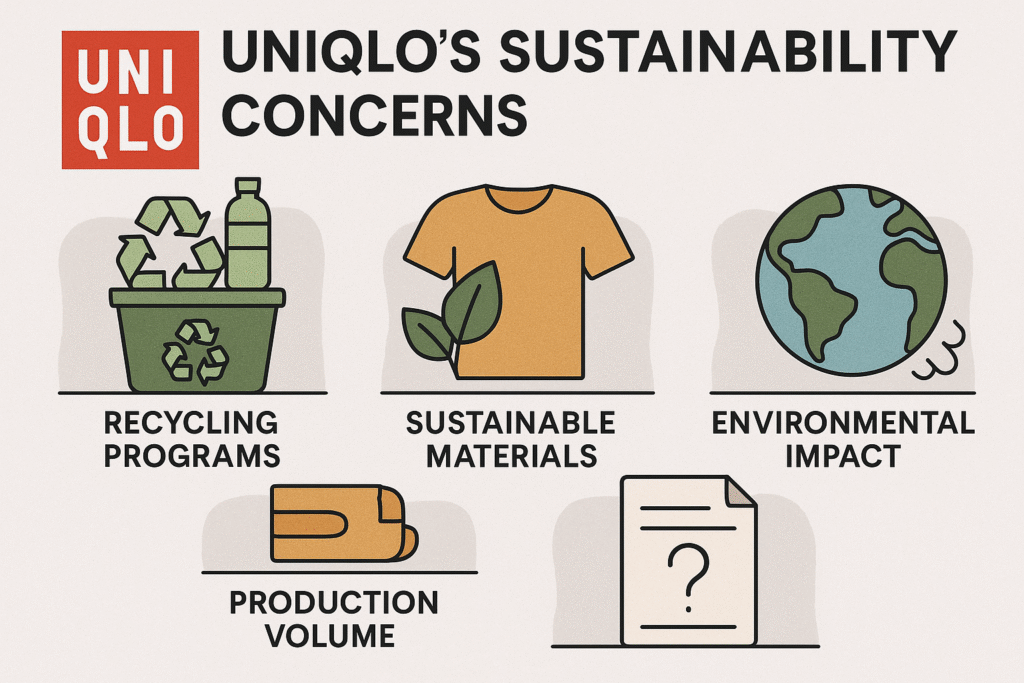
Uniqlo has sustainability initiatives (recycling programs, some sustainable materials), but as a large fast-fashion adjacent retailer, its overall model faces scrutiny regarding production volume, transparency, and the environmental impact of scale.
Working in the manufacturing sector in China, we see brands of all sizes. Large players like Uniqlo have significant influence but also face big challenges in shifting their massive supply chains towards sustainability. It's a different ballgame than a niche eco-brand.
Analyzing Uniqlo's Sustainability Efforts
Let's break down their position:
- Positive Steps:
- Material Innovation: They use recycled materials in some products (e.g., down, polyester derived from PET bottles).
- Product Longevity Focus: Their "LifeWear" concept emphasizes durable basics intended for longer use compared to typical fast fashion trends.
- Recycling Program (RE.UNIQLO): They collect used Uniqlo garments for reuse (donation) or recycling into new materials or fuel.
- Social Contributions: Parent company Fast Retailing has various social programs.
- Areas of Concern/Scrutiny:
- Scale and Volume: Like any major retailer producing millions of items, the sheer volume inherently has a large environmental footprint (resource consumption, shipping). This model contrasts with the "buy less, buy better" philosophy often central to sustainability.
- Transparency: While they publish lists of core fabric mills and garment factories, detailed transparency across their entire complex supply chain can be challenging for observers to fully assess. Concerns about wages and working conditions in partner factories sometimes arise, typical for large brands sourcing globally.
- Pace of Material Transition: While incorporating some sustainable materials, the proportion compared to conventional materials across their vast product range is a factor. Transitioning a huge supply chain takes time.
- "Fast Fashion" Proximity: Although promoting longevity, their pricing and global scale place them close to the fast fashion sector, which is often criticized for encouraging overconsumption.
| Aspect | Uniqlo's Approach | Sustainability Considerations |
|---|---|---|
| Materials | Uses some recycled materials, promotes "LifeWear" | Proportion of sustainable vs. conventional materials? |
| Transparency | Publishes lists of Tier 1 & 2 suppliers | Full supply chain visibility? Depth of labor practice audits? |
| Circularity | RE.UNIQLO take-back program | Focus primarily on donation/downcycling vs. closed-loop recycling |
| Business Model | High volume, accessible pricing | Encourages consumption? Environmental impact of scale? |
So, is Uniqlo sustainable? It's not a simple yes or no. They are taking some steps, especially compared to ultra-fast fashion brands. However, their large scale and business model present inherent environmental and social challenges that smaller, dedicated eco-brands may navigate differently. Consumers need to weigh the initiatives against the impact of the overall model.
Which is Generally Considered the Best Brand for Men's Clothing Quality and Style?
Looking for brands known for great quality and style in menswear? This is subjective, but certain names consistently come up among consumers and fashion followers, balancing aesthetics with durability.
Defining the "best" is subjective, but brands often praised for quality and timeless style include names known for heritage (like Barbour), durable workwear-inspired gear (like Carhartt WIP), or premium basics (like Sunspel).
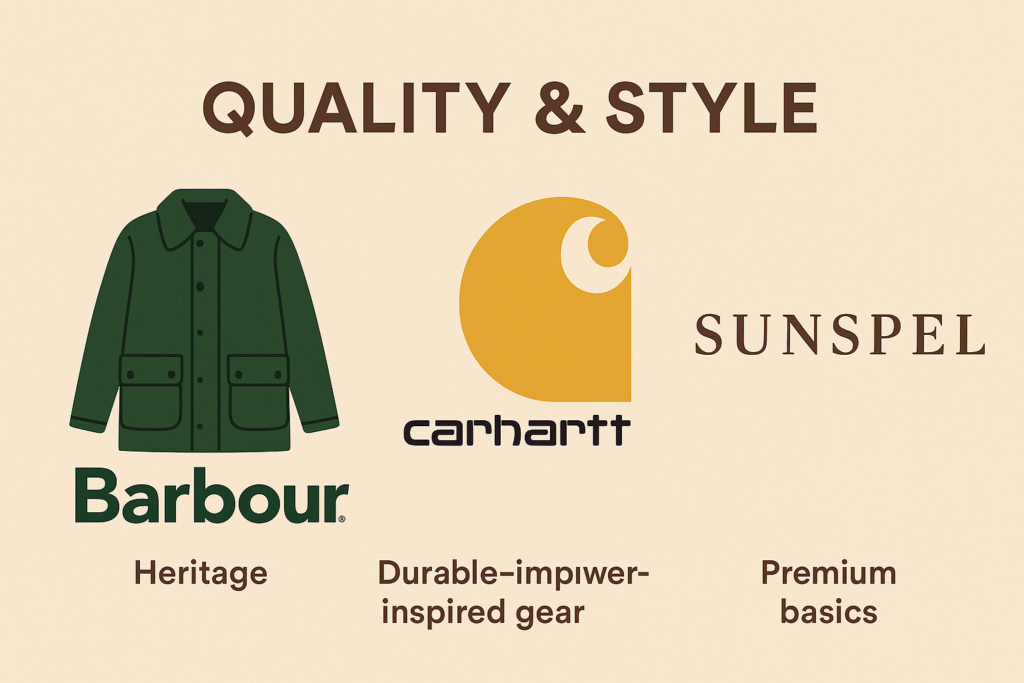
As a manufacturer (Adiwe) focused on top quality for B2B streetwear clients, I understand the importance of construction, materials, and design execution. Brands build reputations on these factors. Whether it's a complex hoodie for a client like Fifty Fifty or a perfectly crafted tee, quality matters.
Factors Defining "Best" in Quality and Style
What makes a brand stand out? It's usually a combination of:
- Materials: Using premium fabrics that feel good, wear well, and last. This could be high-grade cotton, wool, durable synthetics, or innovative textiles. Our clients often specify high-quality fabrics, knowing it's key to their brand image.
- Construction & Craftsmanship: How the garment is made. Attention to detail in stitching, seams, finishing, and durability of hardware (zippers, buttons). This is where factory expertise really shows. We pride ourselves on executing complex designs with precision.
- Design & Aesthetics: The overall look and feel. This is highly personal, ranging from classic and minimalist to bold and trend-driven. "Best" often implies a strong, consistent design identity. Streetwear brands, for example, need designs that are current and culturally relevant.
- Fit & Comfort: How the clothes feel and drape on the body. Good patterns and sizing consistency are essential.
- Brand Reputation & Heritage: Sometimes, a long history of quality or a strong brand ethos contributes to being perceived as "the best."
| Category | Examples (Illustrative - Style Varies) | Key Quality/Style Aspects | Adiwe's Role |
|---|---|---|---|
| Heritage/Outdoor | Barbour, Filson | Durability, timeless design, weather resistance | Understanding robust construction techniques |
| Workwear Inspired | Carhartt WIP, Dickies | Tough materials, functional design, durability | Sourcing durable fabrics, reinforced stitching |
| Premium Basics | Sunspel, James Perse, Reigning Champ | High-quality fabrics (e.g., Supima cotton), fit | Expertise in premium jersey, precise cutting |
| Contemporary/Street | A.P.C., Aimé Leon Dore, Stüssy | Trend awareness, unique designs, quality feel | Executing complex streetwear designs, quality |
| Business Casual | Ralph Lauren, J.Crew | Versatile pieces, consistent quality, classic cuts | N/A (Adiwe focuses on streetwear) |
The "best" brand for you depends heavily on your personal style, budget, and what specific items you're looking for (a rugged jacket vs. a soft t-shirt). However, brands that consistently invest in materials, craftsmanship, and design tend to earn reputations for being among the best in their respective niches. As manufacturers, our job is to deliver that quality for the brands we partner with.
Conclusion
Choosing sustainable or high-quality men's clothing involves looking beyond labels. Assess brands based on materials, ethics, transparency, and craftsmanship that align with your values and style needs.
Ready to make this for your brand?
Adiwe manufactures custom T-shirts, hoodies, jackets, pants, shorts and shirts for brands worldwide — from 50 pcs per style and colour, with private labelling, three-stage QC and a physical sample you approve before bulk.
Custom Hoodie ManufacturingCustom T-Shirt Manufacturing