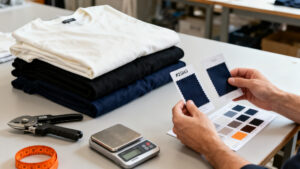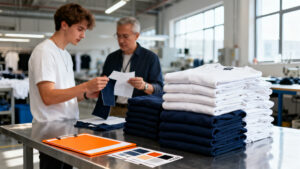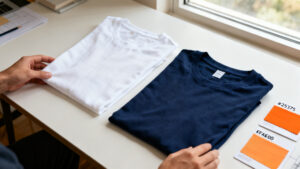
Starting a clothing brand feels exciting, but getting samples can be tricky. You might feel lost on where to begin, unsure of the best way to turn your ideas into actual clothes.
To start sourcing samples, first define your product vision, then research manufacturers specializing in your niche. Next, prepare a detailed tech pack and communicate clearly with potential partners about your design and production needs.
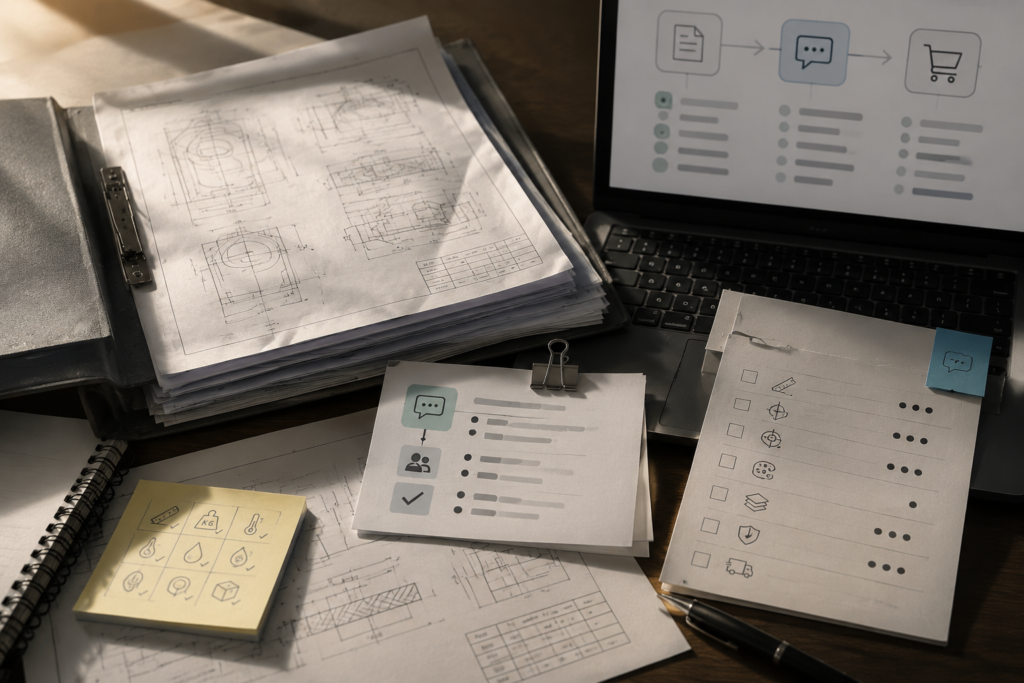
Getting your first sample right sets the tone for your whole brand. It can make the difference between a successful launch and a collection that never quite hits the mark. Let's walk through the steps to make sure your sampling process goes smoothly from start to finish.
How to find the right manufacturer for your streetwear brand?
You have a killer design idea for your streetwear brand, but finding someone to make it feels like finding a needle in a haystack. You worry about factories not understanding your unique style or being able to handle small orders.
To find the right manufacturer, focus on those with proven experience in streetwear apparel, strong communication, and flexibility for your specific needs, such as smaller MOQs or unique fabric sourcing.
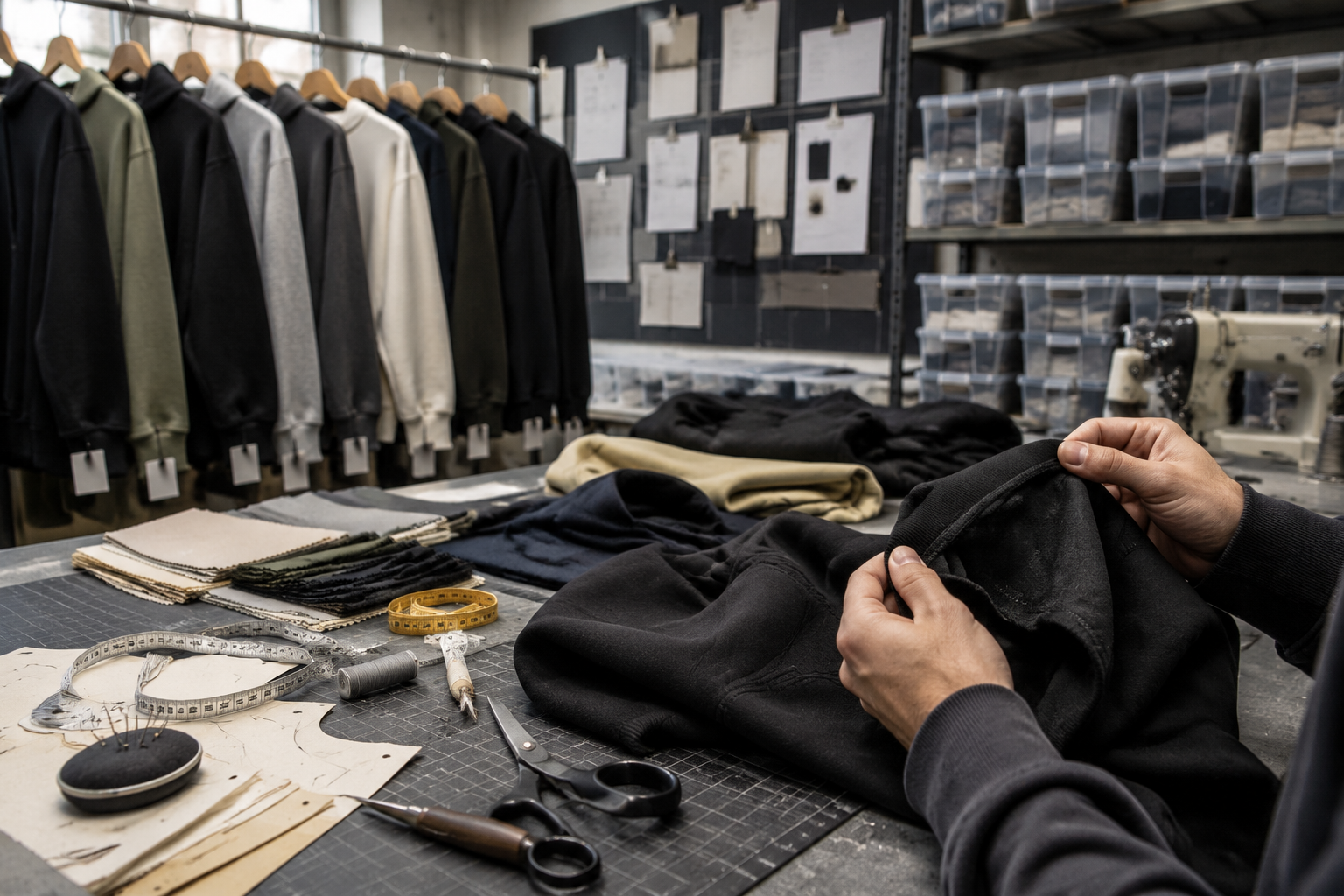
Finding the perfect manufacturing partner is more than just searching online. It means finding someone who truly understands the streetwear aesthetic. This means oversized fits, specific washes, and unique graphic applications. I remember when I first started, I wasted so much time talking to factories that didn't get my vision. It felt like they spoke a different language when I talked about distressed denim or custom embroidery patterns. You need a partner who speaks your language. My team at adiwe specializes in this. We know streetwear culture inside and out. We help brands like yours bring their unique ideas to life. Start by looking at manufacturers' portfolios. Check if they have produced similar styles. Look for reviews or testimonials from other streetwear brands. Online platforms like Alibaba are a good start, but also independent websites and industry trade shows can lead to better, more specialized partners. When you talk to them, ask about their minimum order quantities (MOQs). This is important for small, independent brands. Make sure their capabilities match your needs, such as specific printing techniques or fabric types. Clear communication is key from the first email.
| Criteria | What to Look For | Why It Matters |
|---|---|---|
| Niche Specialization | Focus on streetwear apparel | Ensures understanding of specific styles and trends |
| Portfolio/Samples | Evidence of past work, similar designs and quality | Shows their capability and aesthetic alignment |
| MOQ Flexibility | Willingness to work with smaller order volumes | Crucial for new and smaller brands like yours |
| Communication | Clear, responsive, and understands your design language | Prevents misunderstandings and speeds up the process |
| Capabilities | Ability to handle specific fabrics, prints, embroidery | Ensures they can execute your unique design elements |
| Lead Times | Reasonable timelines for sampling and production | Helps you plan your product launches effectively |
What information do manufacturers need to create your sample?
You've found a great manufacturer, but now you worry about sending them the right details. You don't want them to make a mistake, leading to wasted time and money. You want them to understand your vision perfectly.
Manufacturers need a comprehensive tech pack to create your sample. This document includes detailed sketches, fabric specifications, color codes, sizing charts, and precise instructions for all branding and finishing elements.
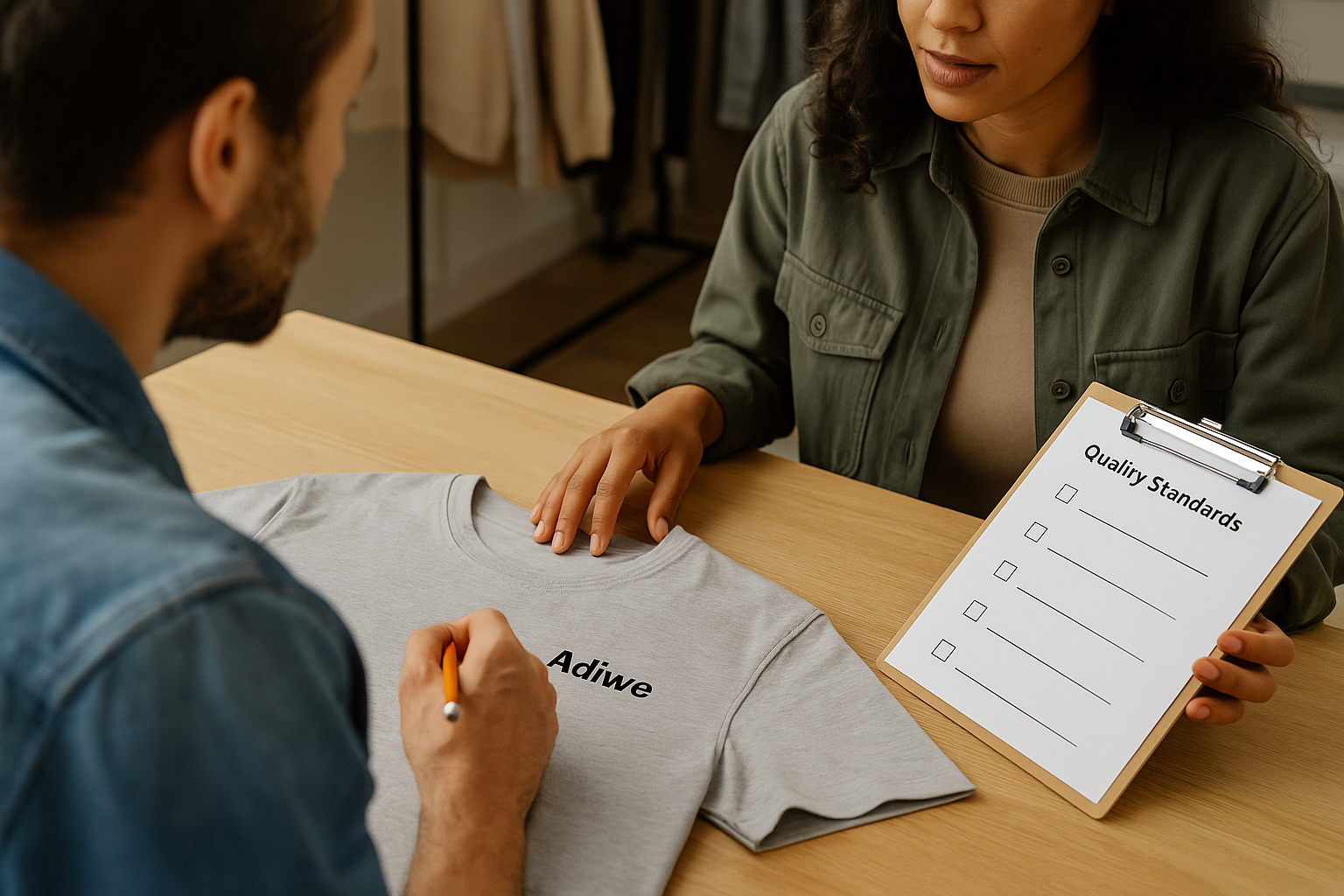
Sending a complete and clear tech pack is like giving your manufacturer a detailed blueprint for your clothing item. It removes guesswork. It makes sure everyone is on the same page. Once, a client sent me a sketch on a napkin and just said, "make it cool." I knew exactly what they meant because I understand streetwear, but my production team needed more concrete details. We then helped them build a proper tech pack. The result was an incredible product that matched their vision perfectly. Your tech pack should include every single detail about your design. Start with flat sketches for the front, back, and any unique details. Clearly show all seams, pockets, and closures. Specify the fabric type, weight, and composition. For example, "280 GSM 100% cotton fleece" is much better than just "fleece." Give Pantone codes for all colors. This ensures color accuracy. Provide a detailed size chart with all measurements. This prevents fit issues. Don't forget about branding elements. Include vector files for any prints or embroidery. Specify the placement of labels, tags, and any other unique finishes. The more information you provide, the closer your first sample will be to your final product. This saves time and money.
| Element | Description | Importance |
|---|---|---|
| Design Sketches | Flat drawings (front, back, side views), close-ups of details | Visual guide for construction and aesthetics |
| Fabric Specs | Type, weight, composition (e.g., 100% cotton, 280 GSM) | Determines drape, feel, and quality |
| Color Codes | Pantone Matching System (PMS) codes for all colors | Ensures accurate color reproduction |
| Size Chart | Detailed measurements for each size (chest, length, sleeve) | Critical for consistent fit and grading |
| Print/Embroidery | Vector files, placement, size, stitch types | Specifies graphic elements and branding |
| Trims & Labels | Buttons, zippers, drawstrings, main label, care label details | Defines hardware and internal branding |
| Construction Notes | Stitch type, seam allowance, finishing details (e.g., French seams) | Guides the sewing process for quality and durability |
How can you get the best sample for your streetwear design?
You've sent your tech pack, but now you're anxious. You want the sample to be perfect. You worry about potential misinterpretations or small details getting overlooked. You want to make sure your brand's unique identity shines through.
To get the best sample, maintain open and constant communication with your manufacturer, ask for progress photos or videos, and provide clear, constructive feedback on the initial sample to guide necessary revisions.
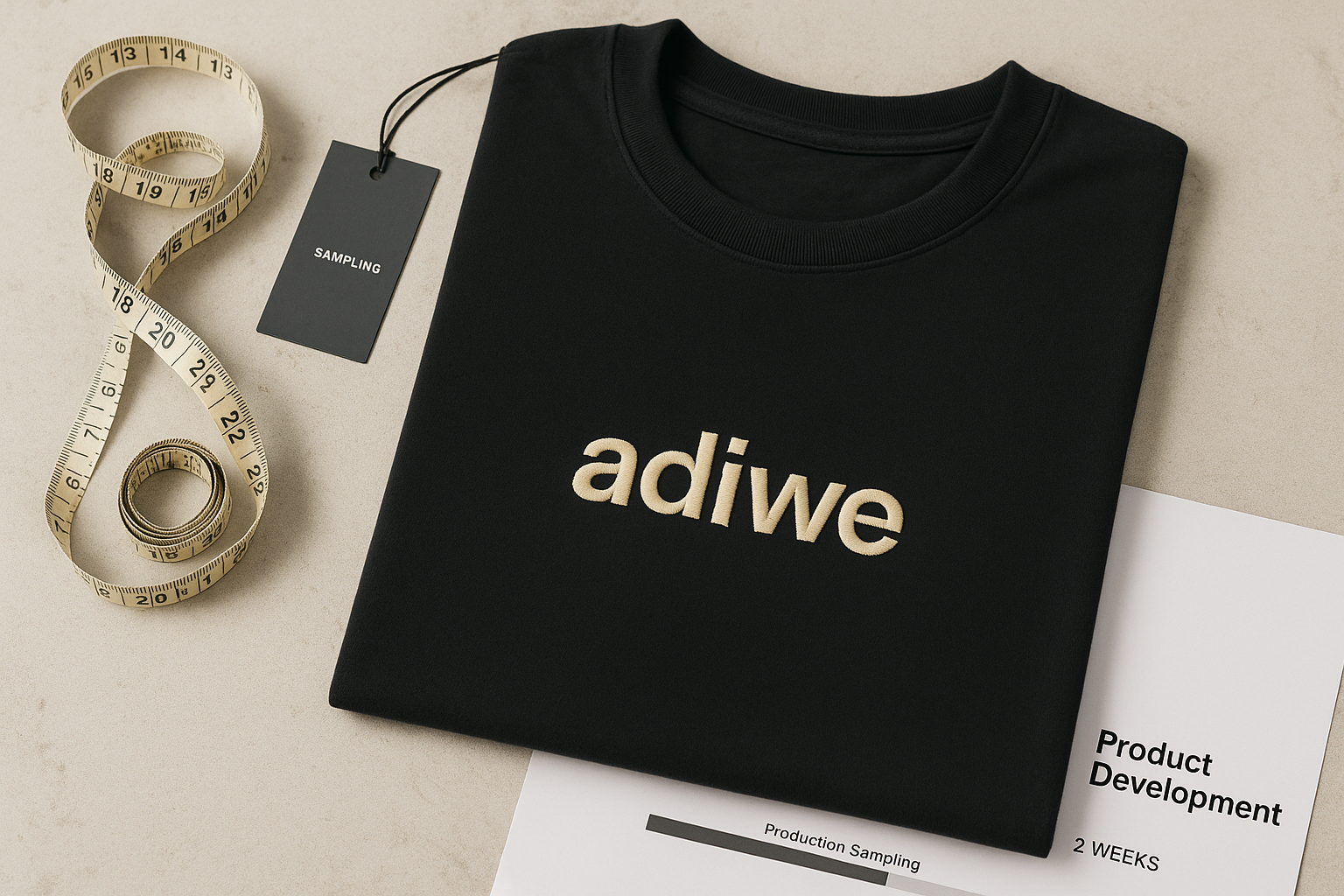
Getting a sample is not a one-and-done process. It's often an iterative journey. My team at adiwe always tells our clients that the first sample is just a conversation starter. It's the physical representation of your tech pack, but it also opens up dialogue. We once had a client who wanted a very specific vintage wash on their hoodies. It took three samples to get the exact faded effect and soft hand feel they envisioned, but their patience paid off. The final product was exactly what their brand stood for. Throughout the sampling process, ask your manufacturer for updates. Request photos or videos of the sample in progress. This helps you catch potential issues early. Before the physical sample ships, review any digital mock-ups or material swatches they send. Give very specific feedback. Instead of saying, "make it look better," say "the neckline needs to be 1 inch wider" or "the print color is too dark, try PMS 186 C." This kind of clear feedback is invaluable. Be prepared for at least one round of revisions. This is normal. It shows that you are committed to quality. A good manufacturer will work with you until the sample meets your standards. It is about patience and precision.
| Stage of Sampling | Key Action | Why It Helps |
|---|---|---|
| Initial Review | Ask for digital mock-ups, material swatches | Visualize before physical production, check material specs |
| Mid-Process Checks | Request progress photos/videos | Catch potential errors early, ensure adherence to design |
| First Sample Receipt | Thoroughly inspect every detail against tech pack | Identify all areas needing adjustment or improvement |
| Providing Feedback | Be specific, provide measurements, reference images | Guides manufacturer precisely on what to change |
| Revision Sample | Re-evaluate changes, ensure all feedback was applied | Confirm that corrections are implemented correctly |
| Final Approval | Confirm sample meets all expectations, sign off for production | Signals readiness to move forward, prevents future disputes |
What should you check when your clothing sample arrives?
Your sample has finally arrived. You are excited, but you also feel nervous. You know this is a critical moment. You worry about missing something important that could affect your whole production run.
When your clothing sample arrives, meticulously inspect it for design accuracy, fit, fabric quality, stitching, and all branding elements. Compare every detail against your original tech pack to ensure it perfectly matches your vision.
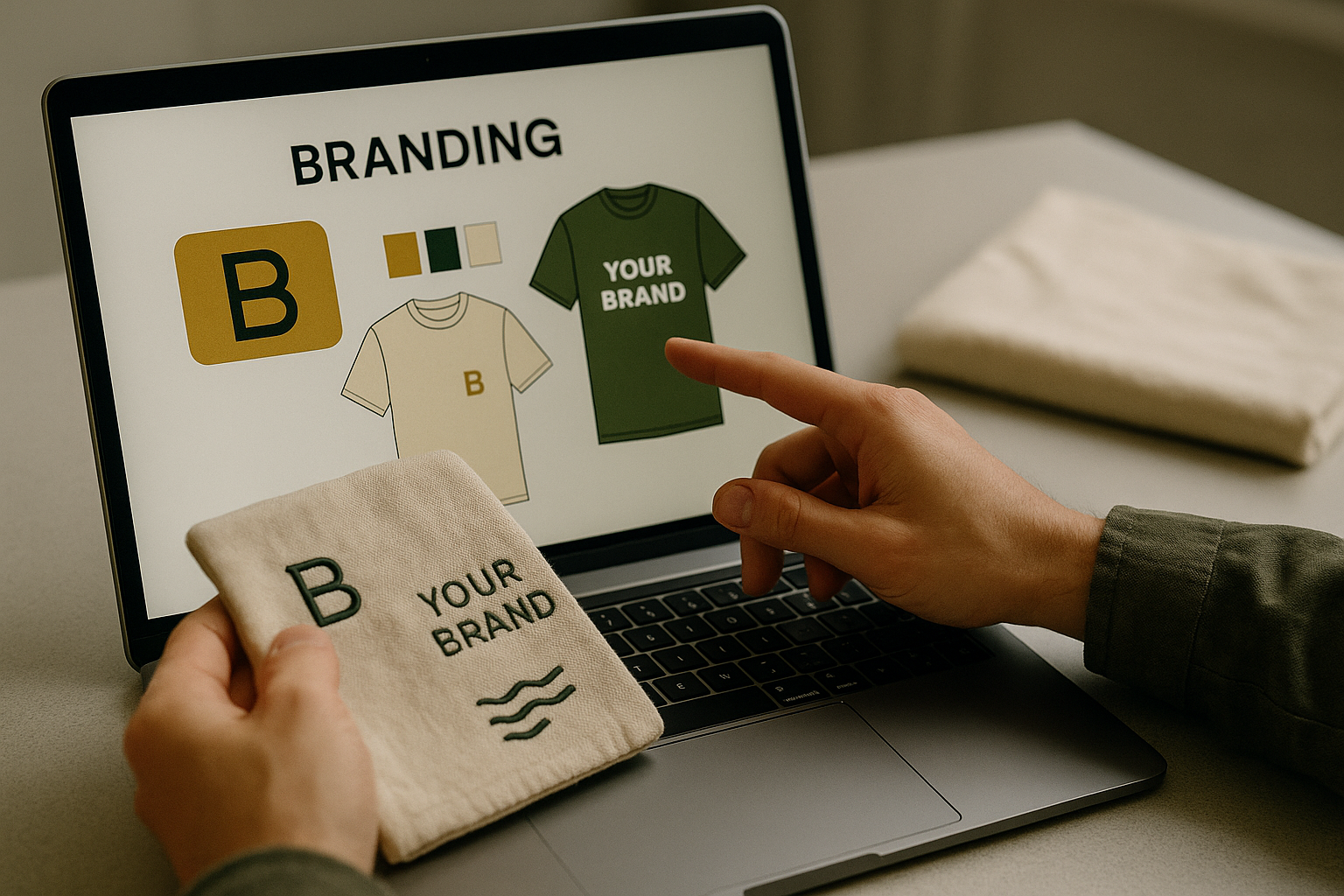
Receiving your sample is a big moment, but it's not the time to relax. It's time for a thorough inspection. I remember receiving a sample once that looked perfect in the photos. But when I touched it, the fabric felt wrong. It taught me to always prioritize the tactile experience and not just the visual. Your brand's reputation depends on the quality of your product. First, try the garment on. This is crucial for streetwear, where fit is everything. Does it drape correctly? Is the sizing true to your chart? Check all measurements against your tech pack. Next, examine the fabric. Does it feel as specified? Is the color accurate to your Pantone codes? Look closely at the stitching. Are seams neat and consistent? Are there any loose threads or uneven stitches? Check all embellishments. For prints, is the placement correct? Is the color vibrant? Is the print quality smooth and durable? For embroidery, are the stitches clean and dense? Finally, inspect all your branding elements. Are your labels sewn in correctly? Is the hang tag attached properly? This careful check now saves you from costly mistakes later during mass production. Take photos of any issues you find. Document everything clearly before sending feedback back to your manufacturer.
| Inspection Area | Specific Details to Check | Why It's Important |
|---|---|---|
| Overall Design | Matches sketches, all components present (pockets, collars) | Ensures visual integrity and brand consistency |
| Fit & Sizing | Compare to size chart, try it on, check drape and comfort | Critical for customer satisfaction and returns |
| Fabric Quality | Hand feel, weight, stretch, color accuracy | Affects comfort, durability, and brand perception |
| Stitching/Seams | Straightness, strength, consistency, loose threads | Indicates manufacturing quality and garment lifespan |
| Printing/Embroidery | Placement, size, color accuracy, quality, durability | Represents your brand's visual identity |
| Trims & Hardware | Functionality, quality, attachment security | Zippers, buttons, drawstrings must work and look good |
| Branding/Labels | Placement, correct logo, care instructions | Ensures brand recognition and legal compliance |
| Finishing | Cleanliness, pressing, packaging (if applicable) | Reflects attention to detail and professional presentation |
Conclusion
Sourcing samples is a fundamental step in launching your clothing brand. By carefully choosing manufacturers, providing detailed tech packs, giving clear feedback, and thoroughly inspecting samples, you ensure your vision becomes a high-quality reality.
Ready to make this for your brand?
Adiwe manufactures custom T-shirts, hoodies, jackets, pants, shorts and shirts for brands worldwide — from 50 pcs per style and colour, with private labelling, three-stage QC and a physical sample you approve before bulk.
Custom Hoodie ManufacturingCustom T-Shirt Manufacturing