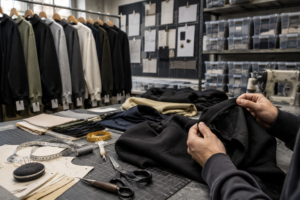
Finding the right garment manufacturing service can feel overwhelming. The options are endless, but choosing the wrong one can cost you time, money, and your brand’s reputation.
Garment manufacturing services can be found through online platforms, trade shows, industry directories, referrals, or directly contacting factories in key manufacturing hubs like China, Vietnam, and Bangladesh.1
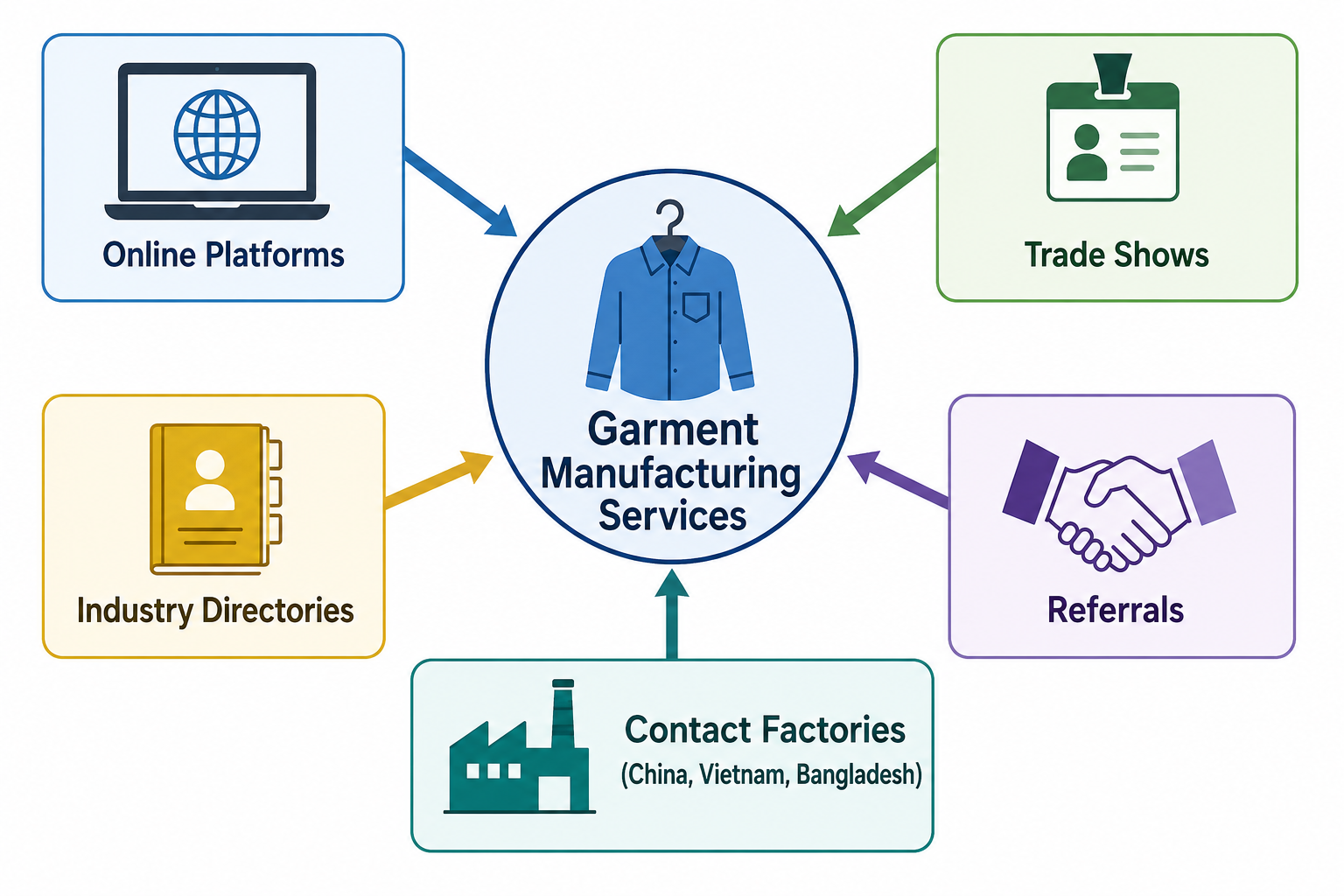
Exploring options requires some legwork, but when done correctly, it ensures a smoother production process. Let’s dig into where these services are available and how to make the best choice for your needs.
How can you find manufacturers online?
The internet is packed with resources for garment sourcing. But oversaturation and mixed experiences make it tough to navigate.
Popular platforms like Alibaba, Global Sources, or individual factory websites are reliable entry points to search for garment manufacturers offering a variety of capabilities in dozens of countries.2
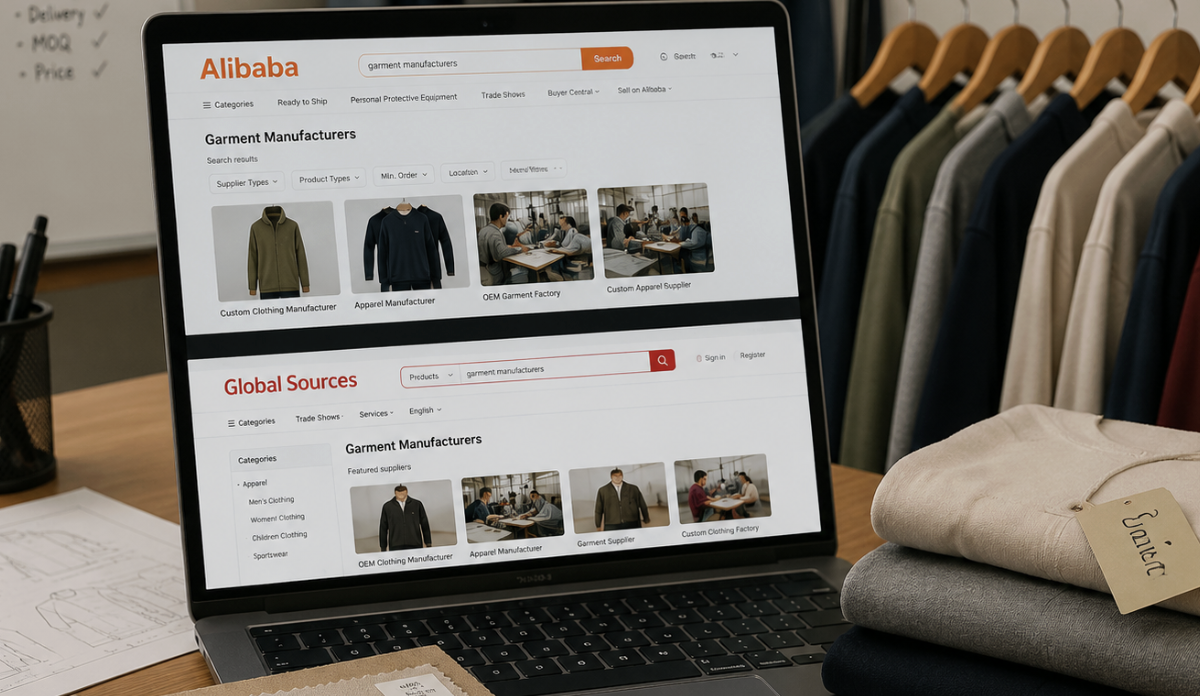
When using online platforms, focus on filtering factories by their expertise in material types or production methods close to your needs. A supplier with credible product photos, customer reviews, and certifications usually indicates reliability. That said, always go beyond listing profiles by initiating discussions to understand response times and adaptability to custom orders. Direct engagement often helps identify whether a factory aligns with your business expectations.
Should you attend garment trade shows?
Trade shows give suppliers and brands an unparalleled opportunity to meet face-to-face. It’s a fast way to assess your options.
Garment trade shows like MAGIC Las Vegas, Canton Fair, or Texworld USA host hundreds of manufacturers displaying samples and discussing collaborations.3
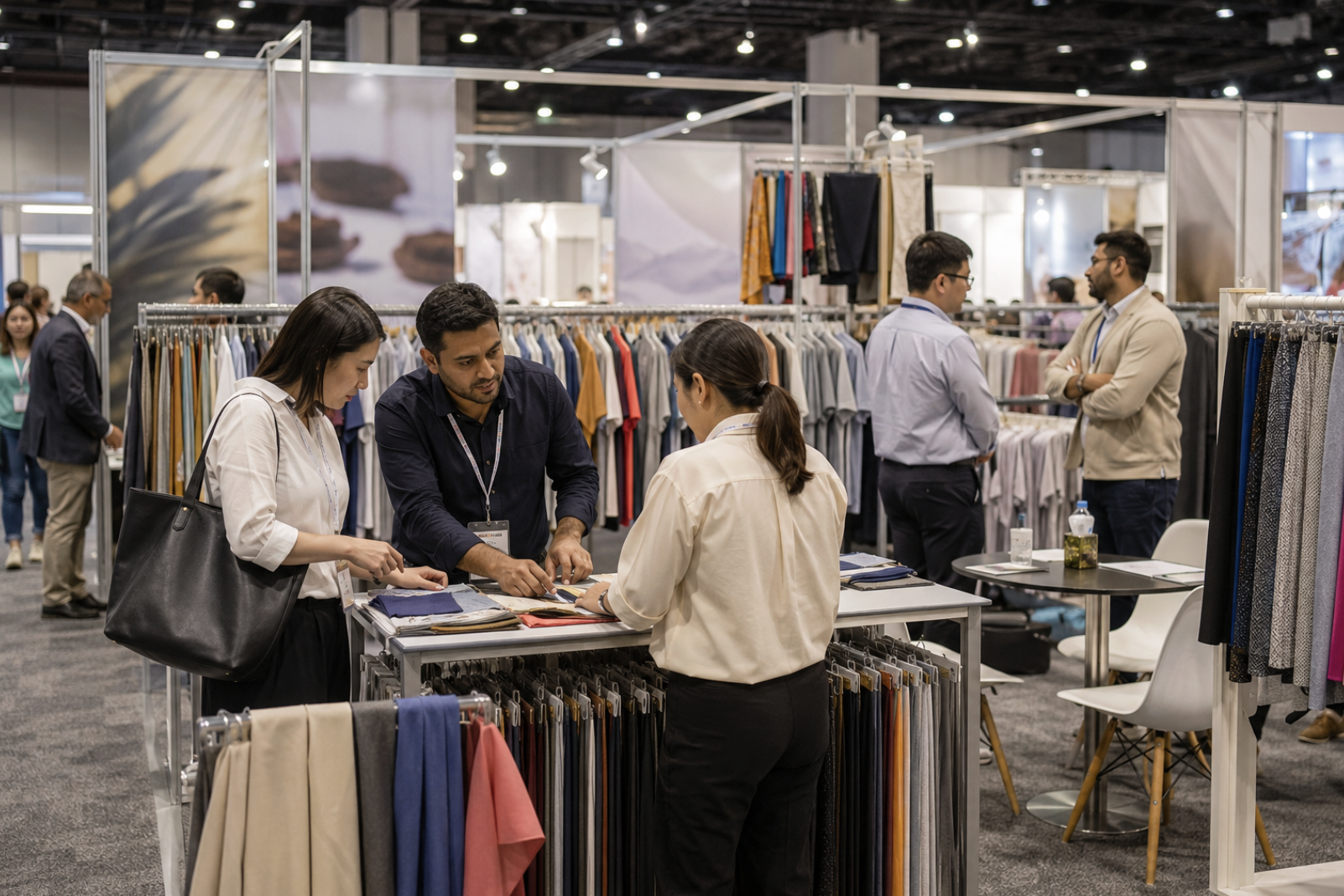
Attending trade shows has its advantages.4 Walking into a booth, being able to touch the product, and asking detailed operational questions in real time can uncover insights not otherwise gleaned through emails. For instance, you might notice their fabric feel or inspection standards. However, it’s wise to follow up with direct factory visits to verify everything before finalizing agreements. Trade shows are fantastic discovery points but may only scratch the surface of deeper partnership prerequisites.
Are referrals the most trusted approach?
Sometimes, no amount of online research or events can outmatch a direct referral from a trusted connection.
Referrals from other business owners, industry mentors, or partners often deliver not just leads but vetted contacts who already proved their credibility.5
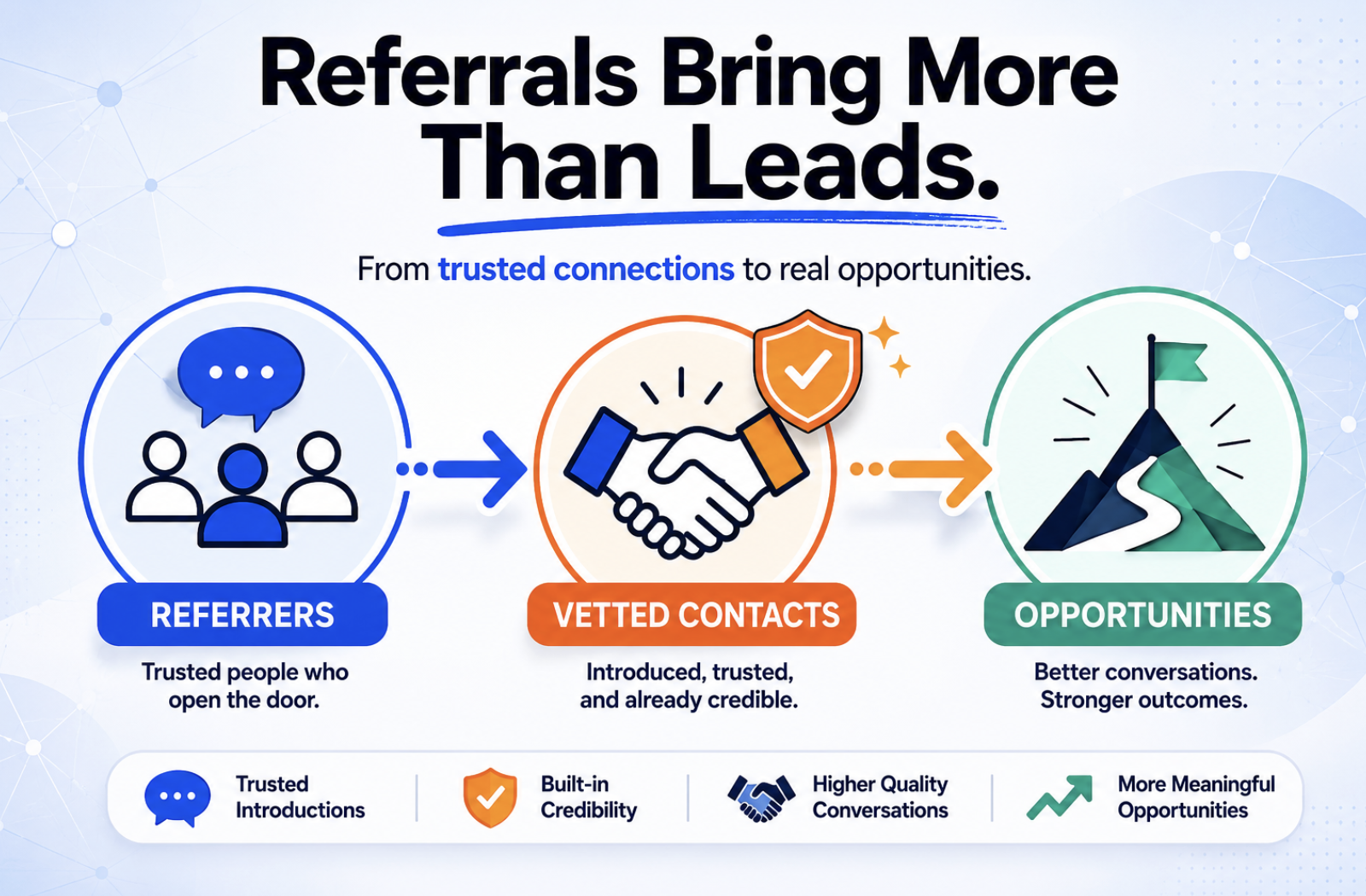
Actively tapping into your network can fast-track connecting with suppliers who understand your priorities. For example, if your focus is sustainable production or bespoke designs, contacts already familiar with this niche greatly simplify your search. Referrals, however, should be cross-checked. While recommendations carry weight, it helps to review every suggested manufacturer yourself to avoid misunderstanding or mismatched objectives.
What about directly visiting manufacturing hubs?
Visiting production hubs may seem daunting, but it’s one of the surest ways to assess workmanship and operations.
Countries like China, Vietnam, Bangladesh, and India concentrate garment manufacturers.6 These locations offer diverse expertise—from fast fashion to luxury wear.
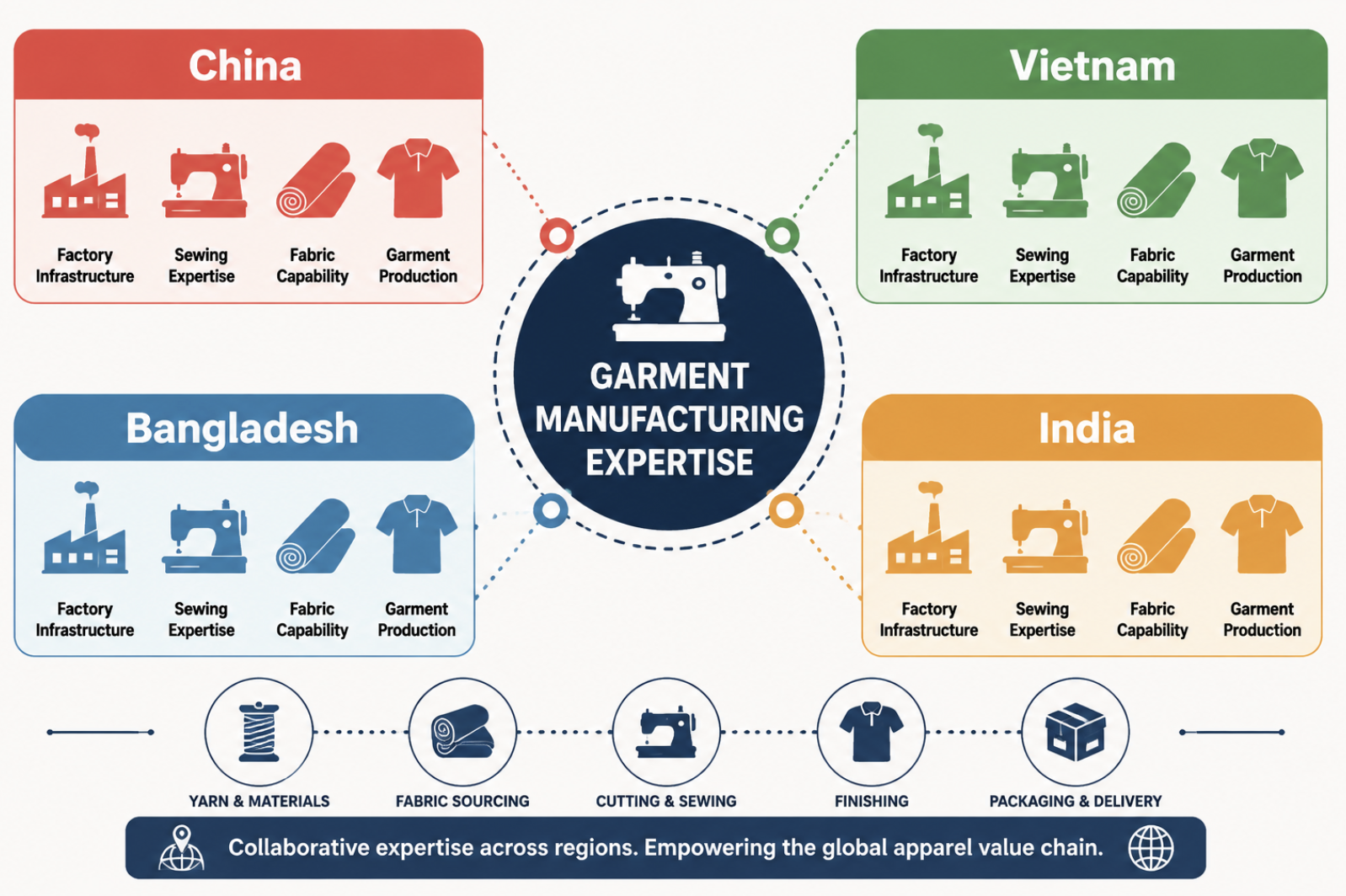
Direct visits help you grasp scale, communication ease, and lead-time realism—all key sourcing concerns.7 Observing the production line helps spot issues like under-trained staff or relaxed QC practices.8 Almost every visit includes surprises—good ones like additional services or discounted MOQs—or bad ones such as outdated equipment. So plan your visit to maximize transparency while avoiding risks lining high anonymity sourcing.
How do industry directories simplify the search?
Directories are tried-and-tested gathering spots for supplier searches across industries, including textiles. Their balance of scale and focus can’t be overstated.
Textile-exclusive platforms like Maker’s Row or Kompass provide easy access to a global network of garment manufacturers specializing in specific production categories.9

Directories excel at curating a pre-sorted pool where specialization filters immediately save hours otherwise wasted on non-relevant vendors.10 From sorting product categories like “Organic Cotton Apparel” or “Streetwear Jackets,” you identify aligned operators much faster. Keep in mind, directories offer listings; transparent due diligence ultimately falls on you post-inquiry.
Conclusion
Finding garment manufacturing services revolves around leveraging multiple channels—online platforms, trade shows, referrals, directories, and direct visits. Each route opens doors and adds depth when combined strategically.
-
"Key Industry Players in Manufacturing | The Apparel Industry", https://sites.duke.edu/sociol342d_01d_s2017_team-7/2-1-manufacturers-of-apparel/. According to industry overviews, garment manufacturing services are commonly sourced through online platforms, trade shows, directories, referrals, and direct factory visits in major hubs like China, Vietnam, and Bangladesh. Evidence role: general_support; source type: encyclopedia. Supports: The source should confirm the common methods for sourcing garment manufacturers and identify key global manufacturing hubs.. ↩
-
"moving away from alibaba clothing suppliers after too many quality ...", https://www.reddit.com/r/Alibaba/comments/1rtqj9f/moving_away_from_alibaba_clothing_suppliers_after/. Research on global sourcing practices highlights platforms like Alibaba and Global Sources as widely used for connecting with garment manufacturers across various countries. Evidence role: general_support; source type: research. Supports: The source should validate the reliability and popularity of platforms like Alibaba and Global Sources for garment sourcing.. Scope note: The reliability of individual factory websites may vary and is not universally verified. ↩
-
"Magic (trade show) - Wikipedia", https://en.wikipedia.org/wiki/Magic_(trade_show). Event descriptions from official trade show organizers confirm that MAGIC Las Vegas, Canton Fair, and Texworld USA host hundreds of garment manufacturers and facilitate collaboration opportunities. Evidence role: case_reference; source type: institution. Supports: The source should confirm the scale and purpose of these trade shows in connecting garment manufacturers with potential clients.. Scope note: The scale of participation may vary by year and specific event focus. ↩
-
"4 Reasons Why Attending Fashion Trade Shows is Good for Business", https://www.fashionmentor.co/new-blog/4-reasons-why-attending-fashion-trade-shows-is-good-for-business. Educational materials on trade shows indicate that attending such events provides opportunities for direct interaction with manufacturers, product inspection, and networking, which are valuable for sourcing decisions. Evidence role: general_support; source type: education. Supports: The source should outline the specific advantages of attending trade shows for businesses looking to connect with garment manufacturers.. Scope note: The benefits of trade shows may vary depending on the specific event and the attendee's objectives. ↩
-
"Why Do Firms Hire Using Referrals? Evidence from Bangladeshi ...", https://www.journals.uchicago.edu/doi/10.1086/697903. Industry experts emphasize that referrals from trusted connections are a valuable method for identifying credible garment manufacturers with proven track records. Evidence role: expert_consensus; source type: education. Supports: The source should explain the role of referrals in sourcing credible garment manufacturers.. Scope note: The effectiveness of referrals depends on the referrer's experience and knowledge of the industry. ↩
-
"List of countries by textile exports - Wikipedia", https://en.wikipedia.org/wiki/List_of_countries_by_textile_exports. Government trade reports identify China, Vietnam, Bangladesh, and India as leading global hubs for garment manufacturing due to their large-scale production capabilities and export volumes. Evidence role: statistic; source type: government. Supports: The source should provide data or analysis confirming the prominence of these countries in the global garment manufacturing industry.. ↩
-
"Why Should You Visit Your Clothing Manufacturer's Factory?", https://shanghaigarment.com/why-should-you-visit-your-clothing-manufacturers-factory/. Educational resources on supply chain management suggest that direct factory visits are essential for evaluating production scale, communication efficiency, and realistic lead times, which are critical for effective sourcing. Evidence role: mechanism; source type: education. Supports: The source should explain how direct factory visits provide insights into production scale, communication, and lead-time feasibility.. Scope note: The insights gained from factory visits may depend on the visitor's expertise and the transparency of the factory. ↩
-
"Why Should You Visit Your Clothing Manufacturer's Factory?", https://shanghaigarment.com/why-should-you-visit-your-clothing-manufacturers-factory/. Educational resources on garment manufacturing emphasize that factory visits are critical for identifying operational issues such as staff training gaps and inadequate quality control measures. Evidence role: mechanism; source type: education. Supports: The source should explain how factory visits can help identify issues like under-trained staff or quality control problems.. Scope note: The effectiveness of factory visits depends on the buyer's expertise in identifying such issues. ↩
-
"Maker's Row", https://en.wikipedia.org/wiki/Maker%27s_Row. Research on textile sourcing platforms indicates that Maker’s Row and Kompass are widely used for connecting with specialized garment manufacturers worldwide. Evidence role: general_support; source type: research. Supports: The source should confirm that platforms like Maker’s Row and Kompass provide access to specialized garment manufacturers globally.. Scope note: The effectiveness of these platforms may vary depending on the user's specific needs and search criteria. ↩
-
"9 Reasons why you need online business directories", https://www.solutions.kompass.com/blog/9-reasons-why-you-need-online-business-directories/. Educational resources on supply chain management highlight that industry directories are effective tools for quickly identifying specialized vendors and saving time during the sourcing process. Evidence role: mechanism; source type: education. Supports: The source should explain how industry directories streamline the process of finding specialized vendors.. Scope note: The effectiveness of directories depends on the quality and accuracy of their listings. ↩