Finding the absolute "best" streetwear manufacturer can feel like an impossible task, right? Many lists give you generic names, but your brand is unique and has specific needs. Let's cut through the noise and discover how to truly find your perfect production partner.
The "best" streetwear manufacturer is not a fixed list, but rather the one whose capabilities, culture, and processes align precisely with your brand's specific needs, production volume, design complexity, and quality standards. It requires thorough evaluation beyond surface-level claims to find a true strategic partner.
I've worked with countless streetwear brands, helping them navigate the complex world of apparel manufacturing. What I've learned is that success isn't about finding a "top 9" list, but understanding what makes a manufacturer "best" for your unique vision. Let's explore how you can make that critical decision.
Why Isn't a Simple "Top 9" List Enough for Your Streetwear Brand?
Are you struggling to find a manufacturer that genuinely understands your streetwear aesthetic? Generic "best of" lists often miss the mark, leaving brands frustrated with partners who don't grasp their niche. Let's see why a simple ranking just won't cut it for your unique needs.
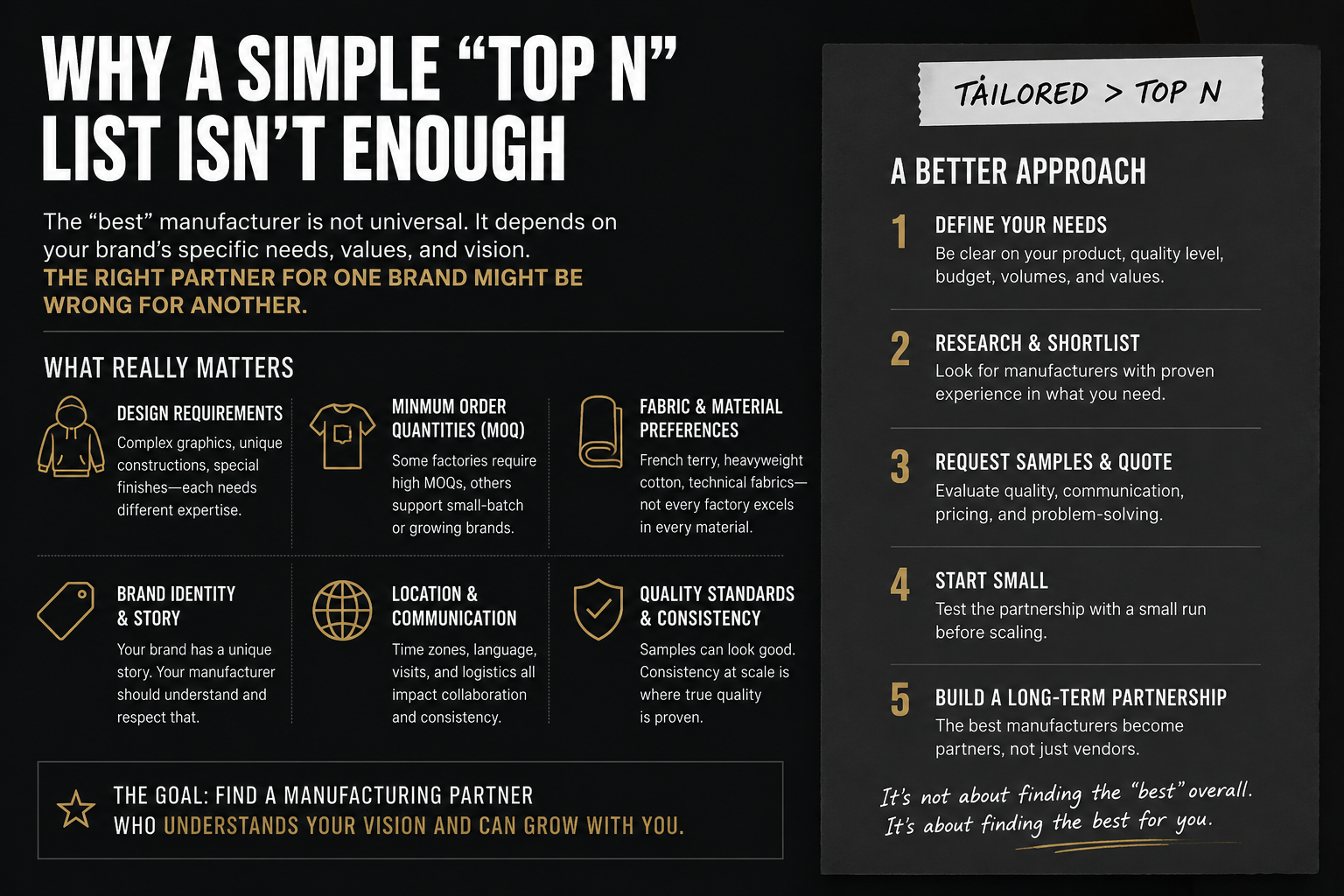
A simple "top N" list is often insufficient because the "best" manufacturer is highly subjective, depending on a streetwear brand's specific design requirements, desired minimum order quantities, fabric preferences, and unique brand identity. It requires a tailored approach rather than a universal ranking.**
Dive deeper Paragraph:
From my perspective as a manufacturer, what often gets overlooked when brands search for partners is the immense diversity within the streetwear market itself. One brand might specialize in eco-friendly, oversized hoodies with complex embroidery, while another focuses on limited-edition graphic tees with unique distressing. A manufacturer excelling at basic cut-and-sew production might be completely inadequate for the first brand's needs. We often see brands come to us after frustrating experiences with suppliers who simply couldn't execute their specific vision. The idea of a universal "best" list fails because it doesn't account for these critical nuances. For example, if your brand's core identity relies on specific custom-dyed fabrics or unique screen-printing techniques, a manufacturer without that in-house expertise will always fall short, regardless of their reputation for producing standard garments. It's about matching specialized needs with specialized capabilities, not just looking for a general "good" manufacturer. This requires understanding your brand's specific requirements in detail.
Here is a breakdown of specific needs that influence the "best" choice:
| Factor | Why it Matters for Streetwear |
|---|---|
| Niche Design Complexity | Intricate patterns, unique cuts, specific embellishments (e.g., custom patches, mixed media). |
| Small Batch Production | Essential for testing new drops, managing inventory, and maintaining exclusivity. |
| Specific Fabric Treatments | Stonewashing, tie-dye, custom washes, unique finishes that define brand aesthetic. |
| Print & Embroidery Methods | High-density screen printing, puff print, chenille embroidery, direct-to-garment (DTG) for detailed graphics. |
| Sustainability Goals | Sourcing organic cotton, recycled materials, ethical production certifications. |
How Can You Really Evaluate a Manufacturer's Promises?
Are you tired of manufacturers making big claims about quality and lead times, only to disappoint you later? It's a common problem, and accepting stated capabilities at face value can be risky. Let's look at how to verify these assertions effectively.
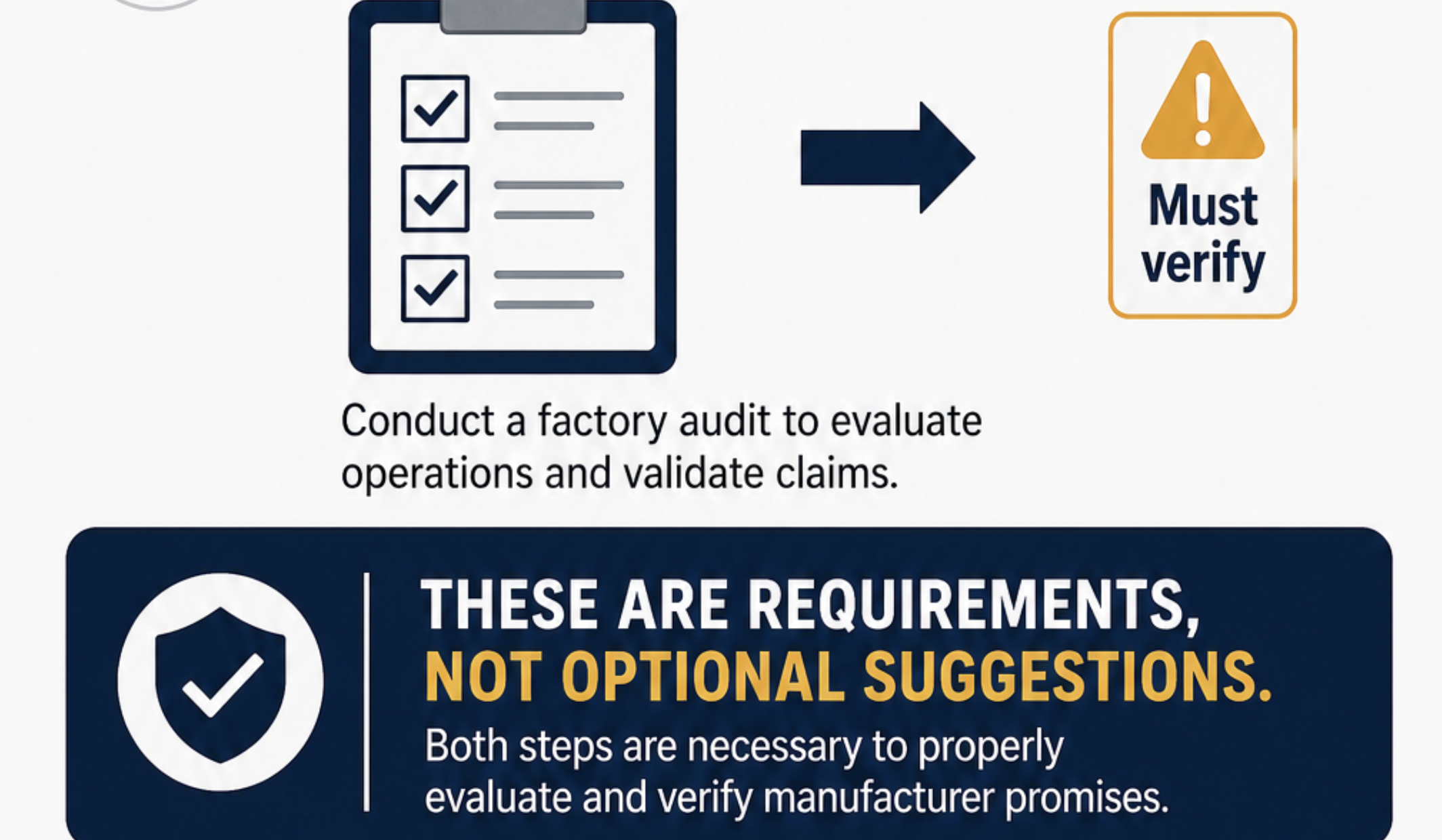
To truly evaluate a manufacturer's promises, you must request physical samples of their work, perform detailed factory audits, verify their certifications, and ask for client references, rather than just relying on their marketing materials or verbal assurances. Independent third-party checks also offer strong validation.
Dive deeper Paragraph:
In my experience working with numerous streetwear brands, I've seen firsthand how easily manufacturing promises can lead to costly misunderstandings if not properly vetted. A manufacturer might claim "high quality," but what does that truly mean for your specific brand? For us, "high quality" in streetwear implies robust stitching, consistent sizing, durable prints, and the precise execution of unique design elements. When a potential partner makes claims about their capabilities, you need to go beyond the conversation. Ask for physical samples of garments similar to what you want to produce. If they claim expertise in embroidery, demand to see examples of their intricate stitch work. If they boast about quick lead times, ask for a detailed production schedule based on a sample order, not just a general estimate. Based on our interactions, I always advise brands to check for production traceability. Can they tell you exactly where the fabric comes from? This attention to detail is often a strong indicator of their actual operational transparency and commitment to quality.
Here’s a practical guide for verifying manufacturer assertions:
| Claim Category | Verification Method | What to Look For (Streetwear Focus) |
|---|---|---|
| Quality | Request physical samples: Evaluate stitching, fabric, print clarity, finishing, and garment construction. | Consistent sizing, durable seams, accurate color matching, precise graphic placement, fabric hand-feel. |
| Lead Times | Ask for a detailed production schedule: From order placement to shipping for a specific SKU. Request proof of past deliveries. | Realistic timelines, clearly defined milestones, contingency plans for delays, consistent on-time delivery records. |
| Specialization | Portfolio review & factory visit (virtual/physical): See actual production lines and specialized equipment. Request technical specifications. | Evidence of specific machinery for unique prints (e.g., puff print), embroidery types, custom washes, or fabric treatments your brand needs. |
| Ethical Standards | Certifications & audit reports: BSCI, SEDEX, OEKO-TEX, GOTS. Ask about their worker welfare policies. | Transparent supply chain, safe working conditions, fair wages, environmental practices aligned with your brand's values. |
| Communication & Support | Test response times: Send a series of complex questions and evaluate clarity and speed of replies. Request references from current clients. | Clear, prompt, proactive communication; English proficiency (if needed); dedicated account manager; willingness to problem-solve. |
What Makes Streetwear Production Unique and Why Does it Matter?
Do you sometimes feel your manufacturer doesn't quite "get" your streetwear vision? Streetwear isn't just clothing; it's an attitude, and its production has specific demands that differ from mainstream apparel. Understanding these nuances is key to achieving your desired outcome.
Streetwear production is unique due to its emphasis on specific fabric sourcing, complex print and embellishment techniques, non-standard cuts (like oversized fits), and a demand for cultural relevance, all of which require a manufacturer with specialized expertise and a deep understanding of the subculture's aesthetic.
Dive deeper Paragraph:
From a manufacturing perspective, what often gets overlooked in streetwear is the intricate connection between design and material. Streetwear isn't just about printing a logo on a basic tee. It's about achieving a certain drape with a heavy-weight cotton, or a specific faded look with a reactive dye wash. We've seen brands struggle because their manufacturer treated a complex puff print like a standard screen print, leading to cracking or inconsistent texture. The material choice in streetwear is paramount; the hand-feel, the weight, and how it holds a specific print or embroidery are all critical. Furthermore, the fit often goes beyond standard sizing charts, requiring patterns for oversized, drop-shoulder, or boxy silhouettes that many traditional apparel manufacturers aren't accustomed to. Understanding these elements from a technical standpoint is crucial. For instance, achieving a vintage wash effectively requires specific machinery and chemical treatments that not every factory possesses. A manufacturer must have the expertise not just to produce, but to advise on how best to achieve a particular streetwear aesthetic through material and process choices.
Here’s a look at critical material and process considerations:
| Aspect | Streetwear Specificity | Impact on Manufacturer Selection |
|---|---|---|
| Fabric Sourcing | Heavyweight cottons, custom blends, unique textures (e.g., fleece, terry, ripstop), sustainable options. | Manufacturer must have strong relationships with specialized textile mills and a wide material library. |
| Print Techniques | Puff print, high-density print, discharge print, plastisol, digital direct-to-garment (DTG), reflective inks. | Requires specific printing machinery, skilled technicians, and quality control for print durability. |
| Embellishments | Chain stitch, chenille, tackle twill, custom patches, woven labels, distressing, hardware. | Expertise in various embroidery machines, finishing processes, and sourcing unique components. |
| Garment Finishing | Custom washes (acid wash, stone wash, enzyme wash), garment dyeing, distressing, cut-and-sew customization. | Specialized washing facilities, chemical expertise, and hand-finishing capabilities. |
| Fit and Patterning | Oversized, relaxed, drop-shoulder, cropped, boxy fits, not standard retail sizing. | In-house pattern makers with a deep understanding of contemporary streetwear silhouettes. |
Are you worried about falling into common traps like high MOQs or communication breakdowns when sourcing manufacturers? Streetwear brands, especially smaller ones, face unique challenges. Let's learn how to effectively assess and mitigate these procurement risks.
To navigate procurement risks in streetwear manufacturing, you must proactively address minimum order quantities (MOQs), secure intellectual property (IP) through clear agreements, establish robust communication channels, and conduct thorough due diligence on a manufacturer's financial stability and ethical practices.
Dive deeper Paragraph:
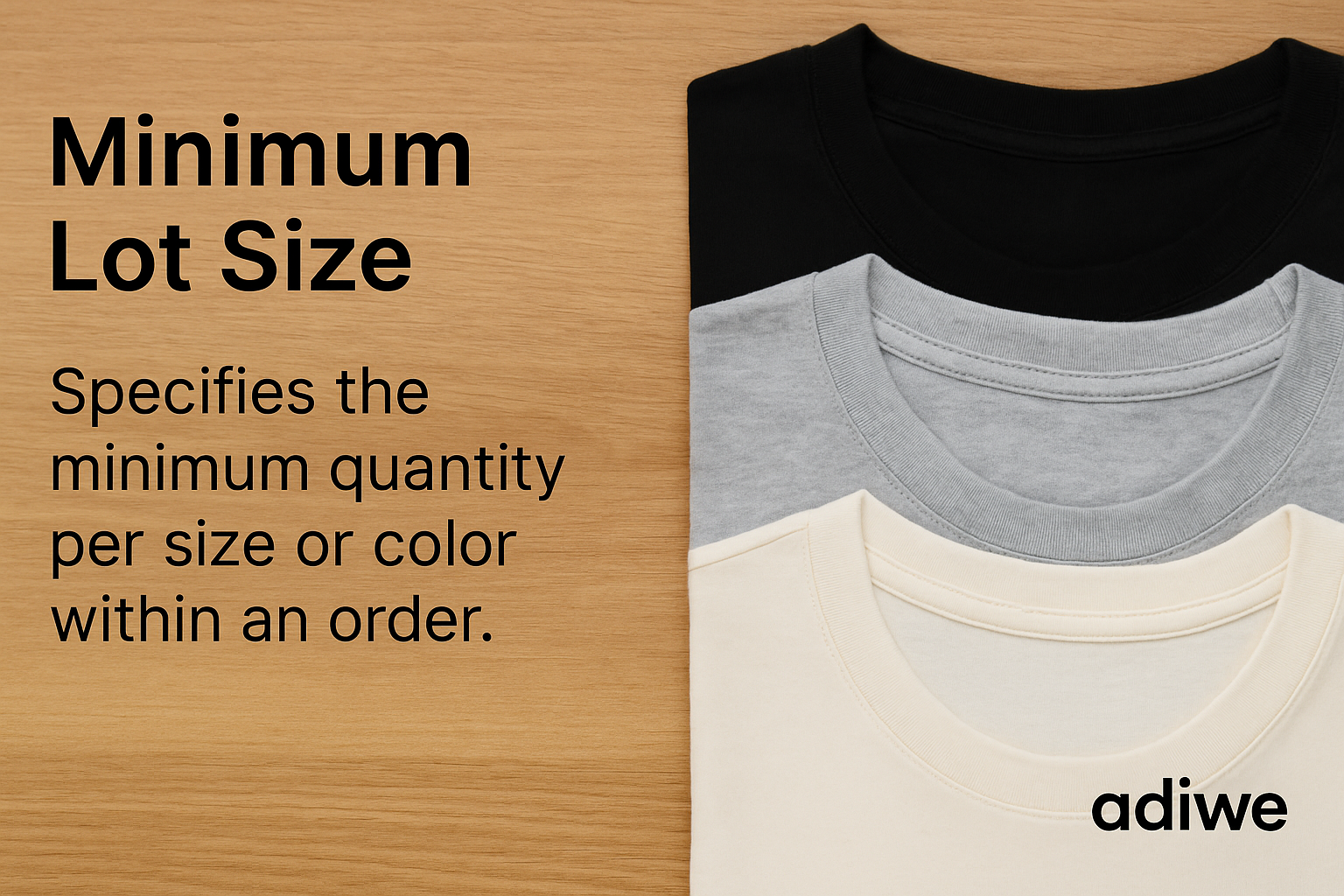
Based on our interactions with numerous streetwear brands, the issue of Minimum Order Quantities (MOQs) is frequently a major pain point. Many emerging brands can't meet the high MOQs demanded by larger factories, which are geared for mass production. This is where agile manufacturers, like us, who understand the streetwear model of smaller, more frequent drops, become invaluable. We proactively work with brands to find solutions that balance cost and quantity, sometimes through phased production or material consolidation. Another critical risk is intellectual property (IP) protection. Without clear contracts, your unique designs could be vulnerable. I always advise brands to have robust non-disclosure agreements (NDAs) and manufacturing agreements in place, clearly defining ownership and usage rights for designs, patterns, and samples. Communication challenges also plague the sourcing process. Different time zones, language barriers, and cultural nuances can lead to costly errors. We've seen orders go wrong simply because a specific design detail was lost in translation. Therefore, selecting a manufacturer with excellent communication processes and dedicated English-speaking contacts is not just a convenience, but a necessity for risk mitigation.
Here are common pitfalls and how to mitigate them:
| Procurement Risk | Mitigation Strategy | Why it's Important for Streetwear Brands |
|---|---|---|
| High Minimum Order Quantities (MOQs) | Seek manufacturers specializing in small batch production or flexible MOQ solutions. | Allows for limited drops, test runs, inventory management, and reduces upfront capital risk. |
| Intellectual Property (IP) Theft | Implement NDAs and comprehensive manufacturing agreements; register designs/trademarks. | Protects unique designs, branding, and creative assets critical to brand identity. |
| Communication Challenges | Choose partners with strong English-speaking teams, clear communication protocols, and regular updates. | Prevents misunderstandings, speeds up problem-solving, ensures design accuracy, and reduces delays. |
| Quality Inconsistency | Mandate pre-production samples, implement strict quality control (QC) checkpoints, and third-party inspections. | Ensures brand reputation, customer satisfaction, and avoids costly returns/reworks. |
| Lead Time Delays | Build buffer time into your schedule, track production milestones, and diversify suppliers. | Crucial for timely product launches, seasonal drops, and maintaining brand relevance. |
| Ethical & Compliance Issues | Request factory audit reports (e.g., BSCI, Sedex), verify certifications, and understand labor practices. | Protects brand image, aligns with consumer values, and avoids potential legal or PR issues. |
Conclusion
Finding the "best" streetwear manufacturer is about strategic alignment, not a simple list. By deeply understanding your brand's unique needs and diligently evaluating potential partners, you can secure a manufacturing relationship that truly brings your vision to life.